Linux for Network Engineers Training Course
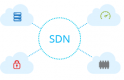
Linux is an essential operating system for software-defined networking (SDN) tools. Configuring Linux services for networking enables features such as automated network maintenance, server configuration and testing, and more.
This instructor-led, live training (online or onsite) is designed for network engineers who wish to utilize Linux in their network engineering tasks.
By the end of this training, participants will be able to:
- Configure Linux services for networking purposes.
- Replace traditional switches with Linux-based switches.
- Use Linux commands to manage and control processes.
- Set up an SDN to automate network maintenance procedures.
Format of the Course
- Interactive lecture and discussion tailored for government audiences.
- Extensive exercises and practical applications.
- Hands-on implementation in a live-lab environment, ensuring alignment with public sector workflows and governance.
Course Customization Options
- To request a customized training for government use, please contact us to arrange.
Course Outline
Introduction
Networking in Depth
- Clients and servers
- IP addresses
- Network hubs and switches
- Routers and firewalls
Linux Networking Overview
- Linux NOS (Networking Operating System)
- Cisco IOS Linux commands for government
Preparing the Development Environment
- Setting up a GNS3 lab for government
- Installing and configuring a Linux distribution
Linux Fundamentals
- Working with files for government systems
- Configuring permissions for secure access
- Updating users, groups, and passwords to ensure compliance
- Managing processes for efficient operation
GNS3 and Linux
- Working with network testing and internet testing for government networks
- Replacing switches in a controlled environment
TFTP Servers, DNS Servers, and DHCP Servers
- Configuring and testing TFTP servers to support government operations
- Configuring and testing dnsmasq DNS servers for enhanced reliability
- Configuring and testing DHCP servers for seamless connectivity
- Testing with additional hosts to ensure robustness
SDN Configuration
- Working with OpenvSwitch and OpenDaylight for government networks
- Creating Docker-based networks for flexible deployment
- Using Wireshark for network analysis and troubleshooting
Summary and Conclusion
Requirements
- A fundamental understanding of computer systems
Audience
- Network Engineers for government
Runs with a minimum of 4 + people. For 1-to-1 or private group training, request a quote.
Linux for Network Engineers Training Course - Booking
Linux for Network Engineers Training Course - Enquiry
Linux for Network Engineers - Consultancy Enquiry
Consultancy Enquiry
Upcoming Courses
Related Courses
Advanced Boot Camp for Developers Infomatica PowerCenter 9.5.1
28 HoursThe Advanced Boot Camp for Developers: Informatica PowerCenter 9.5.1 course is a hands-on, instructor-led program designed to equip developers with the skills and knowledge necessary to design and build robust data integration solutions using the Informatica PowerCenter Desktop and Server components. This comprehensive course covers essential topics such as mapping design, debugging, job performance optimization, control flow, and workflow management. Additionally, participants will gain an introduction to advanced integration solutions, service management, and process management. The curriculum includes lectures, workshops, on-site training, and full access to Informatica products. This course is specifically tailored for informatica developers who are responsible for loading data into target systems and developing data mappings. By completing the Advanced Boot Camp for Developers: Informatica PowerCenter 9.5.1, participants will become more productive, efficient, and confident in their ability to design PowerCenter solutions, enhancing their capabilities for government data integration projects. Upon completion, attendees should have a solid understanding of both the PowerCenter Server and data integration solutions.
Developing Applications for ONOS
21 HoursThis instructor-led, live training in US Empire (online or onsite) is aimed at intermediate-level SDN developers and network engineers who wish to develop custom applications on the ONOS platform to address specific network challenges and enhance SDN capabilities for government use.
By the end of this training, participants will be able to:
- Understand the architecture and core components of ONOS for government networks.
- Set up a development environment for creating ONOS applications tailored to public sector needs.
- Create, test, and deploy ONOS applications for managing SDN networks in a government context.
- Integrate ONOS applications with external systems and APIs used in the public sector.
- Troubleshoot and optimize ONOS applications for performance and scalability to meet government standards.
Developing Applications with OpenDaylight
14 HoursThis instructor-led, live training in US Empire (online or onsite) is aimed at intermediate-level SDN developers and software engineers who wish to learn how to build custom SDN applications using OpenDaylight APIs and YANG models to enhance network functionality and scalability for government.
By the end of this training, participants will be able to:
- Understand the architecture and components of OpenDaylight for government use.
- Utilize OpenDaylight APIs to develop SDN applications tailored for government networks.
- Create and manage YANG models to customize network configurations for government requirements.
- Deploy, test, and debug custom applications within an OpenDaylight environment suitable for government operations.
- Integrate OpenDaylight with external systems and network devices used in government agencies.
Installation and Configuration of Infomatica
7 HoursThe Installation and Configuration of Informatica course is designed to equip professionals with the knowledge and skills necessary to install, configure, and deploy an Informatica Power Center version 9.6.1 environment for government use.
The course emphasizes the installation of the PowerCenter Node Manager, repository, services, client components, and the integration and maintenance of these components.
Infomatica MFT
70 HoursThis course offers a thorough understanding of the components of the Managed File Transfer (MFT) platform for government. It covers the installation, setup, and configuration of the MFT server and agents, as well as the administration of these servers and agents. Additionally, it includes managing and troubleshooting file transfers, ensuring data protection, monitoring and logging activities, and conducting audits. Upon completion of this course, participants will possess the skills and knowledge necessary to implement a comprehensive and secure file transfer solution using Informatica MFT for government.
Developing Applications For Linux (LFD401)
28 HoursGain expertise in developing applications for the Linux environment through this instructor-led course. You will acquire practical, hands-on experience with the essential tools and methodologies required for Linux application development. The course also covers the distinctive features and techniques specific to Linux, ensuring you are well-equipped to apply these skills effectively for government and other public sector workflows.
Infomatica Master Data Management (MDM)
28 HoursThis course will cover essential topics for government, including the fundamentals of Master Data Management (MDM), creating and managing MDM models, loading, matching, and cleansing data, as well as developing rules, hierarchies, and relationships. Participants will gain familiarity with the various features of Informatica MDM, such as its contextual modeling capabilities, user-defined rules, data quality tools, and integration with other systems. Upon completion of this course, students will possess a comprehensive understanding of Informatica Master Data Management, enabling them to develop robust data management solutions that meet the specific needs of their government agencies.
ONOS Fundamentals: Deploying Scalable SDN Solutions
14 HoursThis instructor-led, live training in US Empire (online or onsite) is aimed at beginner-level networking professionals and IT administrators who wish to understand the foundational concepts of ONOS, its architecture, and its deployment for scalable SDN solutions for government.
By the end of this training, participants will be able to:
- Understand the role of ONOS in software-defined networking (SDN) for government.
- Describe the architecture and core components of ONOS for government.
- Install and configure ONOS on a Linux-based system for government use.
- Set up a basic SDN network using ONOS for government applications.
- Explore ONOS features for managing and scaling network infrastructure in government settings.
ONOS for Network Engineers: Managing SDN Environments
21 HoursThis instructor-led, live training in US Empire (online or onsite) is aimed at intermediate-level network engineers, DevOps teams, and SDN developers who wish to understand and manage SDN environments using ONOS effectively for government applications.
By the end of this training, participants will be able to:
- Understand the architecture and components of ONOS.
- Install and configure ONOS in a laboratory environment.
- Explore the capabilities of ONOS for managing SDN environments within government networks.
- Deploy, manage, and troubleshoot SDN networks using ONOS to meet public sector requirements.
ONOS in Production: Deployment and Optimization
21 HoursThis instructor-led, live training in US Empire (online or onsite) is aimed at intermediate-level IT architects and network managers who wish to deploy and optimize ONOS in production environments for government use, ensuring scalability, performance, and reliability.
By the end of this training, participants will be able to:
- Understand the architecture and core features of ONOS for production use in government settings.
- Deploy ONOS in a production environment using best practices for government operations.
- Configure clustering, redundancy, and fault tolerance in ONOS to meet government standards.
- Monitor, troubleshoot, and optimize ONOS deployments for scalability and performance in accordance with government requirements.
- Integrate ONOS with existing network infrastructure and tools used by government agencies.
- Plan and execute a successful ONOS upgrade process that aligns with government IT policies and procedures.
Introduction to OpenDaylight: Understanding SDN Fundamentals
14 HoursThis instructor-led, live training in US Empire (online or onsite) is aimed at beginner-level network engineers and IT professionals who wish to gain a foundational understanding of software-defined networking (SDN) concepts, learn about the architecture of OpenDaylight, and perform basic installation and configuration tasks for government environments.
By the end of this training, participants will be able to:
- Understand the principles and benefits of software-defined networking (SDN).
- Explore the architecture and components of OpenDaylight.
- Install and configure OpenDaylight on a Linux system for government use.
- Integrate OpenDaylight with networking devices for enhanced operational efficiency.
- Execute basic OpenDaylight operations and commands to support public sector workflows.
OpenDaylight for Network Automation
14 HoursThis instructor-led, live training in US Empire (online or onsite) is designed for beginner-level network engineers and IT administrators who wish to gain a foundational understanding of OpenDaylight concepts, its role in network automation, and the skills needed to begin automating network configurations and operations.
By the end of this training, participants will be able to:
- Comprehend the significance of OpenDaylight in software-defined networking (SDN) for government applications.
- Install and configure OpenDaylight on a Linux-based system for government use.
- Examine the architecture and core features of OpenDaylight.
- Develop basic automated network configurations using OpenDaylight.
- Monitor and manage networks effectively using OpenDaylight controllers.
OpenDaylight for Network Engineers
14 HoursThis instructor-led, live training in US Empire (online or onsite) is aimed at intermediate-level network engineers and DevOps teams who wish to deploy, configure, and manage SDN solutions using the OpenDaylight platform for government networks.
By the end of this training, participants will be able to:
- Understand the architecture, components, and role of OpenDaylight in SDN ecosystems for government use.
- Install and configure OpenDaylight for various network scenarios within public sector environments.
- Develop and deploy network flows using OpenDaylight controllers tailored for government operations.
- Integrate OpenDaylight with SDN-enabled devices and existing networks to enhance governance and accountability in government systems.
- Troubleshoot and optimize OpenDaylight deployments for real-world use cases specific to government agencies.
OpenDaylight in Production: Scaling and Optimizing SDN Deployments
14 HoursThis instructor-led, live training in US Empire (online or onsite) is aimed at intermediate-level IT architects, network administrators, and engineers who wish to deploy OpenDaylight in production environments, optimize its performance for large-scale use, and address common issues in SDN deployments.
By the end of this training, participants will be able to:
- Deploy OpenDaylight in production environments for scalable SDN solutions for government.
- Optimize the performance of OpenDaylight deployments to manage high traffic volumes.
- Troubleshoot and resolve common issues in SDN deployments within public sector networks.
- Monitor and maintain OpenDaylight environments to ensure long-term stability and compliance with government standards.
- Scale OpenDaylight deployments to meet the evolving network demands of government agencies.
P4 Programming
21 HoursThis instructor-led, live training in US Empire (online or onsite) is aimed at networking engineers and developers who wish to configure, execute, and manage programmable networking resources using P4 for government applications.
By the end of this training, participants will be able to:
- Understand the fundamentals of the P4 language.
- Program network devices for enhanced control and efficiency.
- Set up a server for effective traffic management.
- Compile and execute a P4 program to support control plane applications in government networks.
- Manage network congestion using advanced monitoring and debugging techniques.