Online and onsite, instructor-led live Database (DB) or Database Management System (DBMS) training courses are designed for both system administrators and developers. These courses provide hands-on practice to demonstrate how to administer database systems and integrate them with software applications.
Database training is available as "online live training" or "onsite live training." Online live training, also known as "remote live training," is conducted through an interactive remote desktop. Onsite live training can be provided at customer premises in Virginia or in Govtra corporate training centers in Virginia.
Govtra — Your Local Training Provider for government and public sector organizations.
VA, Stafford - Quantico Corporate
800 Corporate Drive, Suite 301, Stafford, united states, 22554
The venue is located between interstate 95 and the Jefferson Davis Highway, in the vicinity of the Courtyard by Mariott Stafford Quantico and the UMUC Quantico Cororate Center.
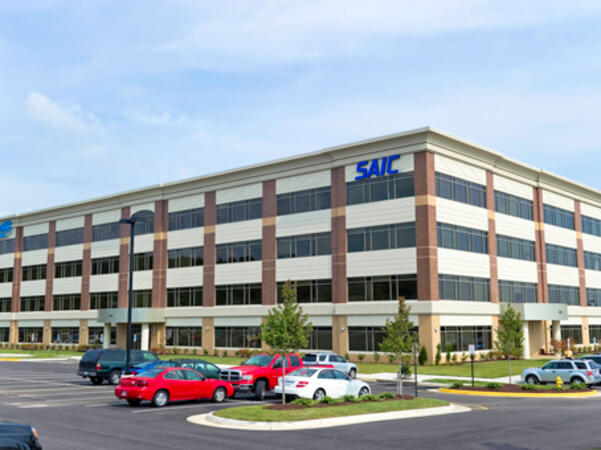
VA, Fredericksburg - Central Park Corporate Center
1320 Central Park Blvd., Suite 200, Fredericksburg, united states, 22401
The venue is located behind a complex of commercial buildings with the Bank of America just on the corner before the turn leading to the office.

VA, Richmond - Two Paragon Place
Two Paragon Place, 6802 Paragon Place Suite 410, Richmond, United States, 23230

The venue is located in bustling Richmond with Hampton Inn, Embassy Suites and Westin Hotel less than a mile away.
VA, Reston - Sunrise Valley
12020 Sunrise Valley Dr #100, Reston, United States, 20191

The venue is located just behind the NCRA and Reston Plaza Cafe building and just next door to the United Healthcare building.
VA, Reston - Reston Town Center I
11921 Freedom Dr #550, Reston, united states, 20190

The venue is located in the Reston Town Center, near Chico's and the Artinsights Gallery of Film and Contemporary Art.
VA, Richmond - Sun Trust Center Downtown
919 E Main St, Richmond , united states, 23219

The venue is located in the Sun Trust Center on the crossing of E Main Street and S to N 10th Street just opposite of 7 Eleven.
Richmond, VA – Regus at Two Paragon Place
6802 Paragon Place, Suite 410, Richmond, United States, 23230

The venue is located within the Two Paragon Place business campus off I‑295 and near Parham Road in North Richmond, offering convenient access by car with free on-site parking. Visitors arriving from Richmond International Airport (RIC), approximately 16 miles northwest, can expect a taxi or rideshare ride of around 20–25 minutes via I‑64 West and I‑295 North. Public transit is available via GRTC buses, with routes stopping along Parham Road and Quioccasin Road, just a short walk to the campus.
Virginia Beach, VA – Regus at Windwood Center
780 Lynnhaven Parkway, Suite 400, Virginia Beach, United States, 23452
The venue is situated within the Windwood Center along Lynnhaven Parkway, featuring modern concrete-and-glass architecture and ample on-site parking. Easily accessible by car via Interstate 264 and the Virginia Beach Expressway, the facility offers a hassle-free commute. From Norfolk International Airport (ORF), located about 12 miles northwest, a taxi or rideshare typically takes 20–25 minutes via VA‑168 South and Edenvale Road. For those using public transit, the HRT bus system includes stops at Lynnhaven Parkway and surrounding streets, providing convenient access by bus.
This instructor-led, live training in [location] (online or onsite) is designed for beginner-level database administrators who wish to ensure they are well-prepared to manage and optimize their Oracle environments for government use.
By the end of this training, participants will be able to:
- Understand the key features and architecture of Oracle Database 19c, including system requirements and installation methods.
- Acquire practical skills in installing Oracle Database 19c and Oracle Grid Infrastructure, including configuring network, storage, and security settings.
- Master the complete process of upgrading to Oracle Database 19c, from pre-upgrade planning to post-upgrade validation.
- Develop troubleshooting skills to address common issues during installation and upgrade.
- Apply best practices for Oracle Database installation and upgrade to ensure a smooth and successful deployment for government operations.
This instructor-led, live training in [location] (online or onsite) is designed for intermediate-level database administrators who wish to manage, optimize, and secure Oracle Data Guard environments for robust disaster recovery and high availability.
By the end of this training, participants will be able to:
- Understand the architecture and benefits of Oracle Data Guard for government disaster recovery and high availability.
- Gain hands-on experience in configuring and managing physical and logical standby databases, including the use of Data Guard broker.
- Develop practical skills in monitoring, troubleshooting, and optimizing Data Guard environments for optimal performance.
- Learn advanced features such as Active Data Guard, Data Guard with RAC, and securing Data Guard communications.
- Apply best practices for disaster recovery planning, ensuring data consistency, and automating Data Guard operations.
This instructor-led, live training in Virginia (online or onsite) is aimed at intermediate-level database administrators who wish to manage and optimize complex, high-availability Oracle database environments for government.
By the end of this training, participants will be able to:
Achieve a comprehensive understanding of Oracle RAC architecture and Grid Infrastructure, including installation, configuration, and management.
Develop practical skills in managing Automatic Storage Management (ASM), covering disk group management, instance tuning, and backup/recovery procedures.
Master advanced RAC performance tuning techniques, disaster recovery configurations, and best practices for ensuring high availability.
Acquire robust troubleshooting and diagnostic skills to effectively resolve issues in RAC and Grid Infrastructure environments.
Understand the processes involved in patching and upgrading Oracle RAC and Grid Infrastructure to minimize downtime and maintain system stability.
This instructor-led, live training in Virginia (online or onsite) is aimed at beginner-level database administrators who wish to manage backup and recovery tasks for government in Oracle Database 19c.
By the end of this training, participants will be able to:
Understand the essential concepts of backup and recovery in Oracle Database 19c, including its architecture and various types of failures.
Gain hands-on experience in configuring backup and recovery settings, including the RMAN environment and fast recovery area.
Develop practical skills in performing different types of backups and recovery operations, such as full, incremental, and point-in-time recovery.
Learn how to utilize Oracle's Flashback technology for effective database recovery and manage disaster recovery scenarios.
Apply best practices for backup, recovery, and disaster recovery to ensure data availability and minimize downtime in Oracle Database 19c.
This instructor-led, live training in [location] (online or onsite) is aimed at intermediate-level database administrators who wish to effectively manage and optimize a multitenant environment for government.
By the end of this training, participants will be able to:
- Understand the key components and benefits of Oracle Database 19c's multitenant architecture, including Container Databases (CDBs) and Pluggable Databases (PDBs).
- Gain practical skills in installing, configuring, and managing CDBs and PDBs.
- Develop proficiency in implementing security measures, backup and recovery strategies, and performance tuning in a multitenant environment for government.
- Learn how to manage high availability and disaster recovery in a multitenant architecture, including configuring Data Guard and Oracle RAC.
- Acquire troubleshooting techniques and best practices for maintaining a secure, efficient, and reliable multitenant database environment.
This instructor-led, live training in [location] (online or onsite) is designed for government beginner-level developers and database administrators who wish to learn PL/SQL to automate database tasks, implement business logic, and develop robust database applications.
By the end of this training, participants will be able to:
- Develop efficient PL/SQL programs to automate database operations and integrate SQL commands effectively.
- Create reusable program units, including procedures, functions, packages, and triggers, for modular and scalable applications.
- Implement advanced data structures such as associative arrays and manage query results using cursors.
- Handle errors robustly and secure code with encryption, obfuscation, and conditional compilation techniques.
- Apply PL/SQL in real-world scenarios, leveraging built-in packages for file handling, email automation, and other advanced functionalities for government use.
Oracle Database 19c is a multi-model database designed to provide comprehensive support for both relational and non-relational data.
This instructor-led, live training (available online or on-site) is tailored for intermediate-level system administrators and database administrators who aim to manage, monitor, secure, back up, and recover Oracle Database 19c in Standard Edition 2 environments. Additionally, participants will learn to plan a clear migration path from 11g to 19c.
By the end of this training, participants will be able to:
Prepare the environment and execute clean installations and configurations of Oracle Database 19c SE2 for government use.
Explain key components of the Oracle infrastructure, including the System Global Area (SGA), Program Global Area (PGA), Shared Pool, Database Buffer Cache, and Redo mechanisms.
Utilize administration tools such as Enterprise Manager (EM Express) and SQL Developer for routine operations.
Implement best practices for storage management, including the organization of tablespaces, datafiles, and segment space usage.
Enhance database security through the management of users, roles, privileges, profiles, and auditing mechanisms.
Develop and execute RMAN-based backup and recovery strategies that align with Recovery Time Objective (RTO) and Recovery Point Objective (RPO) goals.
Monitor and troubleshoot performance issues using dynamic performance views, SQL tracing, and execution plans.
Plan and execute the transition or migration from 11g to 19c, utilizing supported upgrade paths and tools.
Format of the Course
Interactive lecture and discussion sessions.
Extensive exercises and practice opportunities.
Hands-on implementation in a live-lab environment.
Course Customization Options
To request a customized training for this course, please contact us to arrange.
This instructor-led, live training in Virginia (online or onsite) is designed for intermediate-level database administrators who seek an in-depth understanding of Oracle Database 19c PL/SQL programming and advanced SQL techniques.
By the end of this training, participants will be able to:
- Grasp the fundamentals and advanced features of PL/SQL.
- Develop sophisticated SQL queries to efficiently retrieve and manipulate data.
- Implement PL/SQL programming constructs for managing data and database operations.
- Optimize SQL queries to enhance performance.
- Utilize advanced PL/SQL features such as collections, bulk processing, and error handling.
- Learn effective techniques for debugging and managing PL/SQL programs.
This training is tailored to support the professional development of database administrators in their roles for government, ensuring they are equipped with the necessary skills to manage and optimize Oracle Database 19c effectively.
Greenplum is an open-source massively parallel data platform based on PostgreSQL, designed for advanced analytics and large-scale data warehousing.
This instructor-led, live training (online or onsite) is aimed at intermediate-level administrators who wish to install, configure, and manage Greenplum environments effectively, including managing system updates and libraries. The training is tailored to meet the specific needs of government agencies.
By the end of this training, participants will be able to:
Install and configure a production-ready Greenplum cluster for government use.
Manage system updates and apply patches safely in a government context.
Handle Greenplum library management for analytics and extensions, ensuring compliance with public sector standards.
Troubleshoot and monitor Greenplum systems to ensure continuous operational integrity.
Format of the Course
Interactive lecture and discussion focused on government-specific scenarios.
Hands-on use of Greenplum in a controlled lab environment, simulating public sector workflows.
Guided exercises centered on cluster setup, upgrade workflows, and system extensions relevant to government operations.
Course Customization Options
To request a customized training for this course based on your specific government environment or data platform, please contact us to arrange.
Oracle Database 19c is the long-term support release of Oracle’s flagship database platform, designed to deliver high performance, scalability, and reliability for government and enterprise workloads.
This instructor-led, live training (online or onsite) is aimed at beginner-level to intermediate-level database administrators and IT professionals who wish to install, configure, and manage Oracle Database 19c SE2 environments effectively for government use.
By the end of this training, participants will be able to:
- Understand the architecture of Oracle Database 19c SE2 and its core components.
- Install and configure Oracle Database 19c SE2 on supported platforms.
- Perform key administrative tasks, including backup, recovery, and security management.
- Optimize database performance and monitor system health using Oracle tools.
- Plan and execute migrations from earlier versions of Oracle Database to 19c.
**Format of the Course**
- Interactive lecture and discussion.
- Numerous exercises and practice sessions.
- Hands-on implementation in a live-lab environment.
**Course Customization Options**
- To request a customized training for this course, please contact us to arrange.
A database is a structured system designed for the efficient storage, management, and retrieval of data. This course introduces participants to the fundamental principles of database systems, with a particular emphasis on relational database models, data normalization, and SQL-based querying.
This instructor-led, live training (available online or onsite) is tailored for intermediate-level IT professionals who wish to deepen their understanding of database management concepts, focusing on relational database models, and acquire practical skills in working with databases.
By the end of this training, participants will be able to:
- Understand key database concepts and relational database models.
- Design simple data models and apply normalization techniques.
- Utilize basic SQL queries for retrieving, inserting, and updating data.
- Grasp essential concepts in database administration and security.
**Format of the Course**
- Interactive lectures and discussions.
- Extensive exercises and practice sessions.
- Hands-on implementation in a live-lab environment.
**Course Customization Options for Government**
To request a customized training for government agencies or departments, please contact us to arrange.
Oracle Database 19c is a robust platform for building and managing enterprise data warehouses that support analytical workloads, specifically tailored for government agencies.
This instructor-led, live training (online or onsite) is aimed at beginner-level data professionals and analysts who wish to understand the foundational concepts and architecture of Oracle-based data warehouse systems for government use.
By the end of this training, participants will be able to:
- Understand key concepts and architecture of Oracle data warehousing.
- Describe typical data warehouse components like fact and dimension tables.
- Recognize use cases and benefits of Oracle data warehousing in business intelligence for government operations.
- Prepare for deeper training in Oracle ETL, performance, and warehouse optimization techniques.
**Format of the Course**
- Interactive lecture and discussion.
- Hands-on use of Oracle SQL and warehouse schema exploration.
- Guided conceptual exercises and warehouse design analysis.
**Course Customization Options**
- To request a customized training for this course based on your internal data models or analytics goals, please contact us to arrange.
Oracle Database 19c is a robust platform for constructing high-performance data warehouses that support business intelligence and analytics workloads.
This instructor-led, live training (online or onsite) is designed for intermediate-level Oracle professionals who aim to implement and optimize data warehousing solutions using Oracle Database 19c.
By the end of this training, participants will be able to:
- Design and implement data warehouse schemas (star, snowflake).
- Utilize Oracle partitioning and compression techniques for managing large datasets.
- Optimize ETL processes and query performance for analytics workloads.
- Leverage Oracle features for real-time and historical reporting.
**Format of the Course**
- Interactive lecture and discussion.
- Hands-on use of Oracle Data Warehouse features in sample scenarios.
- Guided exercises focused on modeling, ETL, and performance tuning.
**Course Customization Options for Government**
To request a customized training for this course based on your organization's data models or reporting needs, please contact us to arrange.
This instructor-led, live training (online or onsite) is aimed at intermediate to advanced-level database administrators, network engineers, and IT professionals who wish to optimize database performance, scalability, and reliability using Spine-Leaf architecture with VXLAN for government environments.
By the end of this training, participants will be able to:
- Understand the Spine-Leaf network topology and its benefits.
- Implement VXLAN for scalable and efficient database networking in government data centers.
- Optimize database workloads across distributed data center environments for enhanced performance.
- Deploy Spine-Leaf architecture in both cloud and on-premises government data centers.
- Enhance network security, redundancy, and fault tolerance for government database environments.
- Automate network configurations for database management using Python and Ansible to improve operational efficiency.
PL/SQL (Procedural Language/SQL) is Oracle’s extension to SQL that allows developers to write procedural logic directly within the database.
This instructor-led, live training (available online or onsite) is designed for intermediate-level developers and technical professionals who aim to develop robust PL/SQL programs, manage exceptions, and create reusable procedures, functions, and packages in Oracle Database.
By the end of this training, participants will be able to:
- Create PL/SQL blocks, procedures, and functions to encapsulate business logic.
- Use control structures, cursors, and exception handling effectively.
- Define and manage packages, triggers, and stored logic securely.
- Debug and test PL/SQL code using standard Oracle tools.
**Format of the Course**
- Interactive lecture and discussion.
- Extensive exercises and practice sessions.
- Hands-on implementation in a live-lab environment.
**Course Customization Options for Government**
- To request a customized training program tailored to specific needs, please contact us to arrange.
This instructor-led, live training in [location] (online or onsite) is designed for intermediate-level developers and database administrators who aim to utilize Oracle SQL to design, manage, and optimize database applications and automate tasks efficiently for government use.
By the end of this training, participants will be able to:
- Understand Oracle database architecture and effectively manage users, schemas, and permissions.
- Write optimized SQL queries for data retrieval, manipulation, and analysis.
- Employ advanced SQL techniques, including joins, subqueries, and hierarchical queries.
- Design and manage database objects such as tables, indexes, views, and sequences.
SQL Tuning in Oracle Database 19c is the process of enhancing SQL performance through analysis, statistics, and optimization techniques.
This instructor-led, live training (online or onsite) is designed for intermediate-level Oracle professionals who wish to understand and apply SQL tuning techniques for government use in Oracle Database 19c to improve query execution and database efficiency.
By the end of this training, participants will be able to:
- Interpret execution plans and identify performance bottlenecks.
- Apply Oracle tuning tools such as AWR, ADDM, and SQL Tuning Advisor.
- Use indexes, hints, and statistics to optimize queries.
- Diagnose and resolve inefficient SQL statements in real-world environments.
**Format of the Course**
- Interactive lecture and discussion.
- Hands-on use of Oracle tuning tools and SQL queries.
- Guided exercises focused on real tuning scenarios and performance analysis.
**Course Customization Options**
- To request a customized training for this course based on your system or business requirements, please contact us to arrange.
This instructor-led, live training (online or onsite) is designed for intermediate-level data scientists who wish to learn how to utilize the COST IT module of Presto for cost analysis.
By the end of this training, participants will be able to:
- Understand the fundamentals of Presto and its role in big data analytics for government.
- Gain proficiency in using Presto's COST IT module for detailed cost analysis.
- Optimize Presto queries to enhance performance and resource utilization.
- Implement cost-based optimizations within Presto to ensure efficient use of resources.
- Troubleshoot and resolve common performance and cost-related issues in Presto.
This instructor-led, live training (available online or onsite) is designed for intermediate-level IT professionals who seek to enhance their skills in designing, implementing, and managing relational databases, as well as querying and manipulating data using SQL.
By the end of this training, participants will be able to:
- Understand the foundational principles of database design.
- Create and manage relational databases effectively.
- Develop proficiency in writing SQL queries to retrieve and manipulate data.
- Gain knowledge of advanced SQL concepts and techniques.
- Acquire skills to optimize and maintain databases for government use.
This instructor-led, live training in [location] (online or onsite) is designed for system administrators who wish to gain a comprehensive understanding of the security features of Oracle Database 19c for government.
By the end of this training, participants will be able to:
- Comprehend the fundamental concepts of database security.
- Implement authentication and authorization mechanisms to control access to the database.
- Effectively configure and manage user accounts, roles, and privileges.
- Deploy robust security measures to protect against various threats and vulnerabilities.
This instructor-led, live training in Virginia (online or onsite) is aimed at beginner-level database administrators and developers who wish to learn SQL to efficiently manage, query, and manipulate data in Oracle databases for government administrative and operational tasks.
By the end of this training, participants will be able to:
- Understand Oracle database architecture, including schemas, users, and sessions.
- Write and optimize SQL queries for data retrieval, filtering, and manipulation.
- Use joins, subqueries, and set operators to work with multiple tables and complex queries.
- Perform data aggregation, grouping, and analysis using SQL functions.
- Manage schema objects like views, sequences, and indexes to enhance database operations.
Level Basic Form Lecture, Presentation, Intensive Workshop Purpose of the Training This training is designed for government data analysts and users who require efficient and flexible methods to extract data from databases using direct SQL language commands. Benefits of Completing the Training Participants will learn fundamental techniques for conducting data analysis using the SQL language, enhancing their ability to support data-driven decision-making processes for government operations.
Level
Advanced Form
Lecture, Presentation, Intensive Workshop Purpose of the Training
This training is designed for data analysts and users who require the ability to efficiently and flexibly extract data from databases using direct SQL language commands. It builds upon the skills acquired in the ORA-SA1 training by introducing advanced SQL mechanisms. Benefits of Completing the Training
Participants will gain expertise in advanced data analysis techniques using SQL, enhancing their capabilities for more flexible and efficient reporting for government operations.
This training is designed for data analysts and users who require the ability to flexibly and efficiently extract data from databases using direct SQL commands. It serves as a complement to the ORA_SA1 training, with a focus on enhancing the efficiency of SQL statement execution. The course also addresses scenarios where the SELECT command alone is insufficient, highlighting the need to utilize the more robust PL/SQL language for government applications.
This two-day course provides an introduction to SQL Developer, SQL*Plus, and SQL, the Structured Query Language used to access a Relational Database. The course also covers new features of the latest version of Oracle. The principles learned can be applied to other databases such as Microsoft SQL Server, MySQL, Access, Informix, and DB2.
The course is structured as a workshop, combining lectures, working examples, and practical exercises. While the content can be customized, at least two days are required to cover the core elements for government applications.
Full course notes, sample database files, example SQL files, and free software tools for accessing an Oracle database are provided.
This three-day course provides an introduction to Oracle PL/SQL, a powerful application development environment that facilitates the creation of stored procedures, functions, and triggers using both SQL and PL/SQL commands. The course is structured as a workshop, combining lectures, practical examples, and hands-on exercises. While the content can be tailored to specific needs, at least two days are required to cover the essential topics.
Comprehensive course materials, including detailed notes, sample database files, example SQL scripts, and free software tools for accessing an Oracle database, are provided to ensure a thorough learning experience. This training is designed to enhance technical skills and align with best practices for government use.
Level Basic Form Lecture, Presentation, Workshop Purpose of the Training This training is designed for individuals with user, programmer, or administrator profiles who are beginning to work with Oracle databases. Benefits of Completing the Training Upon completion, participants will gain the necessary skills to effectively use SQL language in working with Oracle databases and will be prepared to engage in further specialized training in this field. The training also equips participants to pass the Oracle Database 12c: SQL Fundamentals (1Z0-061) certification exam. This certification is an internationally recognized validation of expertise and is required for most Oracle certifications in database administration and programming, enhancing professional qualifications for government and private sector roles.
By the end of this training, participants will be able to:
This training is designed for individuals with the profile of user, programmer, or administrator who already possess some knowledge of working with Oracle databases and seek to deepen and systematize their expertise. It serves as a complement to the ORA_S1 training course.
By the end of this training, participants will be able to:
Acquire the skills necessary to efficiently store and process data using SQL, with an introduction to optimization, analysis, and various methods of data extraction. Additionally, participants will gain knowledge of the database architecture and its advanced capabilities to create effective applications.
Format of the Course
Interactive lectures and discussions.
Extensive exercises and practice sessions.
Hands-on implementation in a live-lab environment.
Course Customization Options for Government
To request a customized training for this course, please contact us to arrange.
This course is designed for individuals who wish to utilize the advanced features of SQL in Oracle, particularly for government and public sector professionals.
This instructor-led, live training (online or onsite) is designed for intermediate-level database professionals who wish to enhance their skills in Oracle SQL development and administration for government. By the end of this training, participants will be able to:
- Construct and optimize complex SQL queries.
- Manage databases efficiently using Oracle SQL tools.
- Implement best practices in database development and maintenance.
- Administer user access and database security within an Oracle environment.
The objective of the course is to equip participants with a comprehensive understanding of how to utilize the SQL language within the Oracle database for data extraction at an intermediate level. This training is designed to enhance skills essential for government professionals who require efficient and accurate data management capabilities.
This instructor-led, live training in Virginia (online or onsite) is aimed at system administrators who wish to learn how to administer, monitor, and support an Oracle database for government.
By the end of this training, participants will be able to:
Understand the key features and architectural changes in the Oracle database.
This instructor-led, live training in [location] (online or onsite) is aimed at intermediate-level database administrators and IT professionals who wish to implement and manage Automatic Storage Management (ASM) solutions for government using Oracle Database 19c.
By the end of this training, participants will be able to:
- Administer and manage ASM instances and disk groups.
- Implement and manage ACFS (Automatic Storage Management Cluster File System).
- Perform client database failover with Flex ASM.
- Troubleshoot and resolve common ASM-related issues.
Are you prepared to enhance your database management and cloud integration skills? Our 3-Day Hands-On AlloyDB Training Course for Government provides a unique opportunity to:
Master AlloyDB Efficiently: Acquire comprehensive knowledge of AlloyDB’s advanced features, from initial setup to sophisticated integration, guided by expert instructors.
Develop Practical Skills: Engage in hands-on labs that mirror real-world scenarios—practice configuring high-availability setups, optimizing performance, and implementing disaster recovery strategies.
Advance Your Career Potential: Whether you are a Database Administrator, Cloud Engineer, or Developer, proficiency in AlloyDB can lead to new opportunities and career advancement, particularly in organizations utilizing Google Cloud.
Strengthen Security and Compliance: Discover best practices for database security, data protection, and compliance, essential elements in today's data-centric environment.
Network and Collaborate: Connect with colleagues and industry leaders to exchange insights and practical advice for optimizing your AlloyDB deployment.
This instructor-led, live training in Virginia (online or onsite) is designed for government database administrators or developers who wish to utilize Microsoft Azure Cosmos DB to develop and manage highly responsive and low-latency applications for government use.
By the end of this training, participants will be able to:
- Provision the necessary Cosmos DB resources required to start building databases and applications.
- Scale application performance and storage by leveraging APIs in Cosmos DB.
- Manage database operations and reduce costs by optimizing Cosmos DB resources for government workflows.
This Oracle Database 19c: Clusterware Administration training will delve into general cluster concepts and the architecture of Oracle Clusterware.
### Skills Gained
- Explain the architecture of Oracle Clusterware and its cluster services.
- Outline the objectives for Oracle Clusterware.
- Describe the fencing mechanisms in Oracle Clusterware.
- Understand cluster time synchronization processes.
- Demonstrate network resource management techniques.
- Detail the operating system requirements for Oracle Clusterware, ensuring alignment with public sector workflows for government.
By the end of this training, participants will be able to:
This instructor-led, live training in [location] (online or onsite) is aimed at engineers who wish to enable applications to continuously monitor and stream all commits made to their databases for government use.
- Install and configure ZooKeeper, Kafka, and the Debezium connector service.
- Set up applications to automatically consume and respond to database inserts, updates, and deletes.
- Transform database row-level changes into event streams that applications can respond to immediately.
- Ensure each row-level change is streamed in the same order it was committed to the database.
This instructor-led, live training in Virginia (online or onsite) is aimed at database administrators and developers who wish to install, configure, and manage Flyway for government to track and apply changes in their continuous database delivery efforts.
By the end of this training, participants will be able to implement, track, reverse, and manage database workflows and changes to enhance their continuous database delivery processes.
This instructor-led, live training in Virginia (online or onsite) is designed to teach participants how to configure and run Flyway to build a migration pipeline using SQL. The training covers database-specific syntax such as PL/SQL and T-SQL, as well as Java for advanced data transformations or handling large objects (LOBs). Practical scenarios will be used to illustrate real-world applications, ensuring that the skills learned are directly applicable to tasks for government and other public sector workflows.
This instructor-led, live training in [location] (online or onsite) is aimed at administrators who wish to set up the Greenplum Database for government business intelligence and data warehousing solutions.
By the end of this training, participants will be able to:
- Address processing needs using Greenplum.
- Perform ETL operations for efficient data processing.
- Utilize existing query processing infrastructures.
This instructor-led, live training (online or onsite) is designed for engineers who wish to utilize JanusGraph to process extremely large graphs that necessitate extraordinary storage and computational resources.
By the end of this training, participants will be able to:
- Install and configure JanusGraph.
- Integrate JanusGraph with various backend storage systems (such as Cassandra, HBase) and multiple indexing solutions (Elasticsearch, Solr).
- Configure multiple machines into a cluster for use by JanusGraph.
- Query the database using the Gremlin query language.
- Process graph data at scale, exceeding the capabilities of a single machine.
- Support thousands of concurrent users traversing graph data in real-time.
- Query and analyze graph data for government applications.
This instructor-led, live training in [location] (online or onsite) is designed for system administrators, database administrators, data architects, and developers who aim to install, configure, and manage MarkLogic Server to optimize their database systems for government use.
By the end of this training, participants will be able to implement, develop, manage, and secure enterprise data and database systems using MarkLogic Server, ensuring alignment with public sector workflows, governance, and accountability.
This instructor-led, live training in [location] (online or onsite) is designed for intermediate-level database administrators and IT professionals who aim to optimize the performance of Oracle Database 19c for government operations.
By the end of this training, participants will be able to:
- Comprehend Oracle Database 19c performance tuning concepts.
- Utilize performance management tools effectively.
- Enhance database performance through advanced tuning techniques.
- Diagnose and resolve performance issues efficiently.
The Oracle Database 19c: RAC Administration Workshop is designed to provide comprehensive training on Oracle Real Application Clusters (RAC) database architecture. Led by expert instructors from Oracle University, this course delves deeply into the intricacies of Global Resources and Cache Fusion.
Participants will learn how to:
- Install and configure RAC for government environments
- Manage RAC Database operations efficiently
- Perform upgrades and apply patches to RAC Databases
- Execute backup and recovery procedures for RAC systems
- Monitor and optimize RAC Database performance
- Ensure high availability of services within RAC configurations
- Implement High Availability solutions for connections and applications
- Set up RAC One Node Database
- Utilize the In-Memory Column Store in a RAC environment
- Configure Multitenant Architecture to support RAC
- Manage Quality of Service in RAC deployments
This training is essential for government IT professionals seeking to enhance their skills in managing Oracle RAC databases, ensuring robust and reliable database services.
The Oracle SQL Fundamentals training course is a comprehensive program designed to equip participants with essential skills and knowledge in Structured Query Language (SQL) using the Oracle Database. This training aligns with the needs of professionals working for government agencies, ensuring they have the necessary tools to manage and manipulate data effectively.
By the end of this training, participants will be able to:
- Write SQL queries proficiently to retrieve and manipulate data within Oracle databases.
- Develop essential skills in joining tables and managing complex data relationships.
- Utilize functions effectively for data manipulation and calculation.
- Master the technique of writing efficient sub-queries to perform advanced data filtering and processing.
- Gain confidence in applying Oracle SQL in real-world scenarios, enhancing their capabilities in database management and development for government operations.
The Oracle SQL Intermediate Course is designed to bridge the gap between foundational SQL concepts and advanced techniques, providing participants with a thorough understanding of intermediate-level SQL operations using Oracle Database. Through hands-on exercises and practical examples, participants will explore various topics, including table joins, summary functions, hierarchical queries, set operators, analytic functions, execution plans, and indexes.
By the end of this training, participants will be able to:
- Achieve proficiency in intermediate-level SQL operations necessary for querying and manipulating data in Oracle Database environments for government.
- Develop a deep understanding of table joins, summary functions, hierarchical queries, set operators, and analytic functions.
- Learn advanced techniques for optimizing SQL queries and enhancing database performance.
- Enhance problem-solving skills through hands-on exercises and real-world SQL scenarios.
- Gain the confidence to address complex SQL challenges and advance their careers in database management and development.
In this instructor-led, live training in Virginia, participants will learn the fundamentals of SAP ASE (SAP Adaptive Server Enterprise) Database Administration as they step through the creation and deployment of a sample SAP ASE Database System for government use.
By the end of this training, participants will be able to:
Install and configure SAP ASE for data storage and transactional operations in a public sector environment.
Understand and utilize SAP ASE components, tools, and utilities for government workflows.
Integrate SAP ASE with non-SAP ASE applications to enhance interoperability within government systems.
About the Training
This training focuses on working with the SQL language for a selected SQL database server, covering both Data Manipulation Language (DML) and Data Definition Language (DDL). It is designed for individuals actively involved in data processing within the public sector.
Purpose of the Training
The goal is to familiarize participants with the terminology and tools essential for effective database management. Attendees will expand their knowledge of SQL and learn how to apply it in their daily work with databases, enhancing efficiency and accuracy in data handling.
How Will This Training Improve Your Work?
You will gain skills in efficient data retrieval, reducing the need for intermediate formats such as CSV or Excel files. You will become proficient in using the latest analytical tools, boosting your confidence and professional competence. Additionally, this training will significantly enhance your career advancement opportunities by equipping you with valuable new skills.
Where Will You Apply the Acquired Knowledge?
You will improve the efficiency of your work related to creating reports and statements using spreadsheets and Business Intelligence (BI) tools. This knowledge will also enhance your ease and effectiveness in accessing data, making your daily tasks more manageable and productive.
What Will You Learn?
You will learn how to enhance information sharing with colleagues, leading to a unified reporting system. Standardizing methods for generating reports and creating statements for analysis will become seamless. Furthermore, you will elevate the security of your analyses to a higher level, ensuring robust data governance and compliance standards for government.
What is the structure and what are the SQL commands?
Read more...
Last Updated:
Testimonials (9)
The way of explaining
Bogdn Sabau
Course - MySQL Database Administration
The flow and build up to each topic.
Jainoodien Salie - Vodacom
Course - Oracle Siebel
The provided examples and labs
Christophe OSTER - EU Lisa
Course - PostgreSQL Advanced DBA
It was very interactive and it kept us interested.
Raluca Alexandra PUNGA
Course - SQL Fundamentals
1. A very well-structured training program
2. The warm atmosphere the trainer created, along with his outstanding personal professionalism
3. That the trainer explained everything as if he were talking to a complete beginner, without slipping into any technical jargon.

Piotr Romer - Asseco Poland S.A
Course - PostgreSQL Administration, Optimization and Replication
The pace of talking and explanation.
Marko Skokovic - PWO by Lottomatica Serbia
Course - MongoDB for Administrators
The training was well structured and interactive
kgotla Moncho - Martin Engineering Africa
Course - MS 20761 : Querying Data with Transact SQL
Well structured. Good teaching techniques. Course well documented!
Online Database training in Virginia, Database training courses in Virginia, Weekend Database courses in Virginia, Evening Database training in Virginia, Database instructor-led in Virginia, Database trainer in Virginia, Database boot camp in Virginia, Database instructor-led in Virginia, Database instructor in Virginia, Database classes in Virginia, Database private courses in Virginia, Evening Database courses in Virginia, Database on-site in Virginia, Online Database training in Virginia, Database one on one training in Virginia, Database coaching in Virginia, Weekend Database training in Virginia