NobleProg offers comprehensive Edge AI training courses tailored to the dynamic professional landscape of Virginia. Our programs are designed to empower organizations in this region with cutting-edge skills and strategic insights, driving innovation and operational excellence. By leveraging our local expertise, we ensure that participants receive high-quality education relevant to the specific needs of the Virginia market.
Instructor-led Edge AI training programs, delivered through online or onsite modalities, provide interactive, hands-on instruction to demonstrate the deployment and management of AI models directly on edge devices. This approach facilitates real-time data processing and decision-making capabilities.
Edge AI training is accessible via "online live training" or "onsite live training." Online sessions, also referred to as "remote live training," utilize an interactive remote desktop environment. Onsite live training is conducted locally at customer facilities in Virginia or within NobleProg corporate training centers in Virginia. These solutions are designed for government and public sector applications.
NobleProg -- Your Local Training Provider
VA, Stafford - Quantico Corporate
800 Corporate Drive, Suite 301, Stafford, united states, 22554
The venue is located between interstate 95 and the Jefferson Davis Highway, in the vicinity of the Courtyard by Mariott Stafford Quantico and the UMUC Quantico Cororate Center.
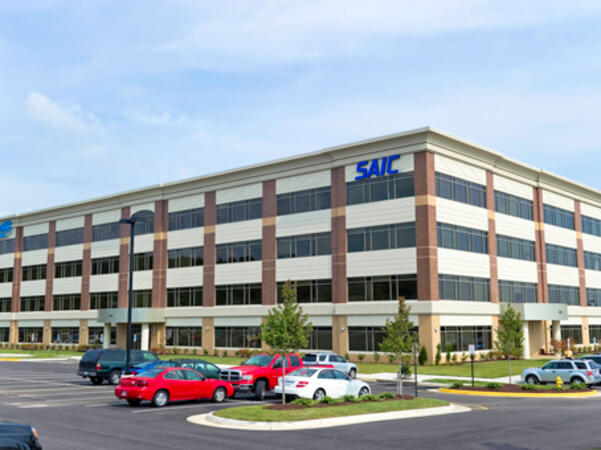
VA, Fredericksburg - Central Park Corporate Center
1320 Central Park Blvd., Suite 200, Fredericksburg, united states, 22401
The venue is located behind a complex of commercial buildings with the Bank of America just on the corner before the turn leading to the office.

VA, Richmond - Two Paragon Place
Two Paragon Place, 6802 Paragon Place Suite 410, Richmond, United States, 23230

The venue is located in bustling Richmond with Hampton Inn, Embassy Suites and Westin Hotel less than a mile away.
VA, Reston - Sunrise Valley
12020 Sunrise Valley Dr #100, Reston, United States, 20191

The venue is located just behind the NCRA and Reston Plaza Cafe building and just next door to the United Healthcare building.
VA, Reston - Reston Town Center I
11921 Freedom Dr #550, Reston, united states, 20190

The venue is located in the Reston Town Center, near Chico's and the Artinsights Gallery of Film and Contemporary Art.
VA, Richmond - Sun Trust Center Downtown
919 E Main St, Richmond , united states, 23219
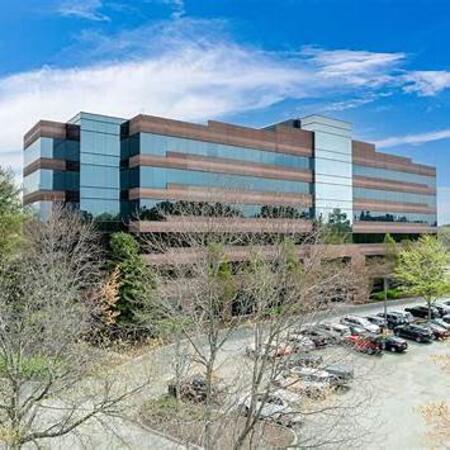
The venue is located in the Sun Trust Center on the crossing of E Main Street and S to N 10th Street just opposite of 7 Eleven.
Richmond, VA – Regus at Two Paragon Place
6802 Paragon Place, Suite 410, Richmond, United States, 23230

The venue is located within the Two Paragon Place business campus off I‑295 and near Parham Road in North Richmond, offering convenient access by car with free on-site parking. Visitors arriving from Richmond International Airport (RIC), approximately 16 miles northwest, can expect a taxi or rideshare ride of around 20–25 minutes via I‑64 West and I‑295 North. Public transit is available via GRTC buses, with routes stopping along Parham Road and Quioccasin Road, just a short walk to the campus.
Virginia Beach, VA – Regus at Windwood Center
780 Lynnhaven Parkway, Suite 400, Virginia Beach, United States, 23452
The venue is situated within the Windwood Center along Lynnhaven Parkway, featuring modern concrete-and-glass architecture and ample on-site parking. Easily accessible by car via Interstate 264 and the Virginia Beach Expressway, the facility offers a hassle-free commute. From Norfolk International Airport (ORF), located about 12 miles northwest, a taxi or rideshare typically takes 20–25 minutes via VA‑168 South and Edenvale Road. For those using public transit, the HRT bus system includes stops at Lynnhaven Parkway and surrounding streets, providing convenient access by bus.
This instructor-led, live training in Virginia (available online or onsite) is designed for advanced-level AI researchers, data scientists, and security specialists seeking to apply federated learning techniques to train artificial intelligence models across multiple edge devices while maintaining strict data privacy standards. Tailored for government and public sector needs, this program addresses the specific requirements for secure, distributed computing environments.
Upon completion of this training, participants will be able to:
Comprehend the core principles and advantages of federated learning within Edge AI frameworks.
Develop federated learning models utilizing TensorFlow Federated and PyTorch.
Enhance artificial intelligence training processes across distributed edge infrastructure.
Resolve data privacy and security concerns inherent in federated learning architectures.
Deploy and oversee federated learning systems in practical, real-world applications for government use.
This instructor-led, live training in Virginia (online or onsite) is designed for beginner to intermediate-level professionals in agritech, IoT, and artificial intelligence who aim to develop and deploy Edge AI solutions for smart farming applications. The program provides resources specifically for government entities seeking to modernize agricultural practices.
Upon completion of this training, participants will be capable of:
Understanding the role of Edge AI in precision agriculture.
Implementing AI-driven crop and livestock monitoring systems.
Developing automated irrigation and environmental sensing solutions.
Optimizing agricultural efficiency using real-time Edge AI analytics.
This instructor-led, live training, available via Virginia (online or onsite), is designed for advanced cybersecurity professionals, artificial intelligence engineers, and IoT developers seeking to establish comprehensive security protocols and resilience frameworks for Edge AI systems.
Upon completion of this program, participants will be equipped to:
Identify and assess security risks and vulnerabilities associated with Edge AI deployments within government contexts.
Deploy encryption and authentication mechanisms to safeguard sensitive data.
Architect resilient Edge AI environments capable of mitigating cyber threats.
Execute secure strategies for the deployment of AI models at the edge.
This instructor-led, live training in Virginia (conducted online or onsite) targets beginner to intermediate retail technologists, AI developers, and business analysts seeking to deploy Edge AI solutions for smart checkout infrastructure, inventory oversight, and tailored customer engagement initiatives designed specifically for government applications.
Upon completion of this training, participants will be equipped to:
Analyze the role of Edge AI in optimizing retail operations and enhancing customer service delivery.
Deploy AI-driven smart checkout and cashier-less payment systems.
Enhance inventory management through real-time tracking and advanced analytics.
Leverage computer vision and AI technologies to create personalized in-store experiences.
This instructor-led, live training in Virginia (online or onsite) is aimed at intermediate-level telecom professionals, AI engineers, and IoT specialists who wish to explore how 5G networks accelerate Edge AI applications for government entities.
By the end of this training, participants will be able to:
Understand the fundamentals of 5G technology and its impact on Edge AI.
Deploy AI models optimized for low-latency applications in 5G environments.
Implement real-time decision-making systems using Edge AI and 5G connectivity.
Optimize AI workloads for efficient performance on edge devices.
This facilitated instructional session, available in Virginia (remote or in-person), targets intermediate-level embedded AI engineers and edge computing professionals seeking to customize and enhance lightweight artificial intelligence models for implementation on hardware with limited resources.
Upon completion of this curriculum, participants will be equipped to:
Identify and modify pre-trained architectures appropriate for edge deployment scenarios.
Utilize quantization, pruning, and additional compression methodologies to decrease model footprint and processing latency.
Execute fine-tuning via transfer learning to optimize performance for specific operational tasks.
Implement optimized models on actual edge computing hardware platforms.
This instructor-led, live training in Virginia (available online or onsite) is designed for intermediate to advanced computer vision engineers, AI developers, and IoT specialists seeking to implement and optimize computer vision models for real-time processing on edge devices. This curriculum supports federal agencies and contractors by providing practical knowledge essential for deploying secure and efficient solutions for government applications.
Upon completion of this training, participants will be able to:
Comprehend the foundational principles of Edge AI and its relevance to computer vision use cases.
Deploy optimized deep learning models on edge hardware to enable real-time image and video analysis.
Utilize deployment frameworks such as TensorFlow Lite, OpenVINO, and NVIDIA Jetson SDK for model implementation.
Enhance AI model performance through optimization techniques that improve power efficiency and reduce latency during inference.
This instructor-led, live training in Virginia (available online or onsite) is designed for intermediate-level embedded engineers, IoT developers, and AI researchers seeking to implement TinyML techniques for AI-powered applications on energy-efficient hardware. The program provides actionable insights for government professionals who require specialized technical capabilities.
Upon completion of this training, participants will be able to:
Grasp the core principles of TinyML and edge AI.
Deploy resource-efficient AI models on microcontrollers.
Optimize AI inference processes to minimize power consumption.
Integrate TinyML solutions into practical IoT applications.
This instructor-led, live training in Virginia (online or onsite) is aimed at intermediate-level to advanced-level robotics engineers, AI developers, and automation specialists who wish to implement Edge AI for robotics applications for government.
By the end of this training, participants will be able to:
Understand the role of Edge AI in autonomous systems.
Deploy AI models on edge devices for real-time robotics.
Optimize AI performance for low-latency decision-making.
Integrate computer vision and sensor fusion for robotic autonomy.
Edge & Lightweight Agents is an instructional program designed for government entities seeking to deploy agentic AI workloads on devices with limited resources. Participants acquire skills in constructing, optimizing, and managing lightweight agents that perform local reasoning and inference, thereby enhancing operational speed, data privacy, and system reliability within distributed environments. The curriculum prioritizes performance optimization, low-latency architecture, and seamless hardware–software integration.
This instructor-led, live training (delivered online or onsite) targets intermediate-level professionals who intend to implement and optimize on-device agentic systems using Python and edge AI frameworks tailored for government needs.
Upon completion of this training, participants will be able to:
Comprehend the architecture and operational challenges associated with executing agentic AI on edge devices.
Architect lightweight agent loops appropriate for resource-constrained environments.
Execute local inference utilizing TensorFlow Lite, PyTorch Mobile, and ONNX formats.
Connect agents with sensors, actuators, and Internet of Things (IoT) platforms.
Enhance performance, energy efficiency, and latency to support real-time operations.
Course Format
Interactive lectures complemented by practical demonstrations.
Experiential development within local or emulated testing environments.
Project-based learning supported by guided implementation exercises.
Course Customization Options
To request customized training for this course, please contact us to arrange.
This guided instructional session in Virginia (conducted online or at a physical location) is designed for senior artificial intelligence engineers, embedded systems developers, and hardware specialists who seek to deploy AI models on low-power devices while reducing energy consumption. This program provides essential knowledge for government applications by offering specialized training for government personnel focused on efficient technology integration.
Upon completion of this instructional program, participants will be equipped to:
Assess the technical challenges associated with executing AI workloads on energy-constrained devices.
Implement optimization strategies for neural networks during low-power inference operations.
Apply quantization, pruning, and model compression methodologies to enhance efficiency.
Execute AI model deployments on edge hardware infrastructure while maintaining minimal power requirements.
This facilitated, live instruction provided via Virginia (remote or in-person) targets AI developers, embedded systems engineers, and robotics specialists at an intermediate proficiency level who seek to optimize and implement artificial intelligence solutions on NVIDIA Jetson platforms for edge computing. Designed to serve public sector requirements, this program is ideal for professionals working with government infrastructure.
Upon completion of this instruction, learners will demonstrate the ability to:
Comprehend the foundational principles of edge AI and NVIDIA Jetson hardware architecture.
Apply optimization techniques for deploying artificial intelligence models on edge devices.
Utilize TensorRT to enhance deep learning inference performance.
Implement AI model deployment utilizing JetPack SDK and ONNX Runtime.
This instructor-led, live training in Virginia (online or onsite) is designed for intermediate-level AI developers, machine learning engineers, and system architects who wish to optimize AI models for edge deployment.
By the end of this training, participants will be able to:
Understand the challenges and requirements of deploying AI models on edge devices.
Apply model compression techniques to reduce the size and complexity of AI models.
Utilize quantization methods to enhance model efficiency on edge hardware.
Implement pruning and other optimization techniques to improve model performance.
Deploy optimized AI models on various edge devices.
This instructor-led, live training offered in Virginia (via online or onsite formats) is designed for intermediate-level developers, data scientists, and technology professionals seeking practical competencies in deploying artificial intelligence models on edge devices for diverse operational use cases.
Upon completion of this training, participants will be equipped to:
Comprehend the foundational principles of Edge AI and its associated advantages.
Establish and configure environments for edge computing infrastructure.
Create, train, and optimize artificial intelligence models for edge deployment.
Execute practical AI solutions on edge hardware platforms.
Assess and enhance the performance metrics of models deployed at the edge.
Manage ethical implications and security protocols within Edge AI applications.
This instructor-led, live training in Virginia (online or onsite) is designed for intermediate-level finance professionals, fintech developers, and AI specialists who wish to implement Edge AI solutions in financial services. It provides essential knowledge for government agencies and other public sector entities seeking to leverage cutting-edge technology for enhanced operational efficiency and security.
By the end of this training, participants will be able to:
Understand the role of Edge AI in financial services.
Implement fraud detection systems using Edge AI.
Enhance customer service through AI-driven solutions.
Apply Edge AI for risk management and decision-making.
Deploy and manage Edge AI solutions in financial environments.
This facilitated, live instruction provided in Virginia (via remote connection or on-site) is designed for mid-career industrial engineers, manufacturing specialists, and artificial intelligence practitioners seeking to integrate Edge AI frameworks into industrial automation systems. The curriculum supports operational readiness for government and public sector applications.
Upon completion of this program, attendees will be equipped to:
Analyze the function of Edge AI within industrial automation workflows.
Develop predictive maintenance protocols utilizing Edge AI technologies.
Utilize artificial intelligence methodologies to enhance quality assurance in manufacturing.
Enhance operational efficiency in industrial processes through Edge AI integration.
Deploy and administer Edge AI solutions within industrial infrastructure settings.
Edge AI involves the direct implementation of artificial intelligence models on devices and machines located at the network periphery, facilitating real-time decision-making with minimal latency.
This instructor-led training, available online or onsite, targets advanced-level embedded and IoT professionals seeking to deploy AI-driven logic and control systems in manufacturing environments where speed, reliability, and offline operation are critical requirements for government and other sectors.
Upon completion of this training, participants will be able to:
Comprehend the architecture and benefits of edge AI systems.
Construct and optimize AI models for deployment on embedded devices.
Utilize tools such as TensorFlow Lite and OpenVINO for low-latency inference.
Integrate edge intelligence with sensors, actuators, and industrial protocols.
Format of the Course
Interactive lecture and discussion.
Extensive exercises and practice.
Hands-on implementation in a live-lab environment.
Course Customization Options
To request customized training for government applications, please contact us to arrange.
This instructor-led, live training in Virginia (online or onsite) is designed for intermediate-level developers, data scientists, and AI practitioners who wish to leverage TensorFlow Lite for Edge AI applications for government.
Upon completion of this course, participants will be able to:
Understand the fundamentals of TensorFlow Lite and its role in Edge AI.
Develop and optimize AI models using TensorFlow Lite.
Deploy TensorFlow Lite models on various edge devices.
Utilize tools and techniques for model conversion and optimization.
Implement practical Edge AI applications using TensorFlow Lite.
This instructor-led, live training in Virginia (available online or onsite) is designed for intermediate-level urban planners, civil engineers, and smart city project managers who seek to leverage Edge AI for government initiatives.
Upon completion of this training, participants will be able to:
Comprehend the role of Edge AI in smart city infrastructures.
Implement Edge AI solutions for traffic management and surveillance.
Optimize urban resources using Edge AI technologies.
Integrate Edge AI with existing smart city systems.
Address ethical and regulatory considerations in smart city deployments.
This instructor-led, live training in Virginia (delivered online or on-site) is designed for cybersecurity professionals at the intermediate level, system administrators, and researchers focused on artificial intelligence ethics who seek to secure and responsibly implement Edge AI solutions for government applications.
Upon completion of this instruction, participants will demonstrate the ability to:
Comprehend security and privacy challenges associated with Edge AI.
Apply best practices for protecting edge devices and sensitive data.
Formulate strategies to mitigate security risks during Edge AI deployment.
Address ethical considerations and ensure adherence to regulatory requirements.
Perform security assessments and audits for Edge AI applications.
This guided, live instruction program Virginia (delivered online or in person) is designed for robotics engineers, autonomous vehicle specialists, and artificial intelligence researchers at an intermediate proficiency level who seek to apply Edge AI principles to advance autonomous system architectures.
Upon completion of this course, participants will be equipped to:
Analyze the function and advantages of Edge AI within autonomous environments.
Construct and implement artificial intelligence models for real-time data processing on edge hardware.
Integrate Edge AI technologies into autonomous vehicles, unmanned aerial systems, and robotic platforms.
Engineer and refine control mechanisms utilizing Edge AI capabilities.
Evaluate ethical standards and regulatory compliance for autonomous AI applications, ensuring adherence to public sector governance best practices for government operations.
This instructor-led, live training Virginia (online or onsite) is designed for intermediate-level healthcare professionals, biomedical engineers, and AI developers seeking to apply Edge AI technologies to advance healthcare solutions.
Upon completion of this program, participants will be equipped to:
Comprehend the strategic value and operational advantages of integrating Edge AI within the healthcare sector for government and public health initiatives.
Engineer and deploy artificial intelligence models on edge devices tailored for medical applications.
Execute Edge AI implementations across wearable technology and diagnostic instruments.
Construct and maintain patient monitoring infrastructure utilizing Edge AI capabilities.
Navigate ethical standards and regulatory frameworks governing healthcare artificial intelligence.
Edge AI facilitates the execution of artificial intelligence models directly on embedded or resource-constrained hardware, thereby decreasing latency and energy usage while enhancing operational autonomy and data privacy within robotic systems.
This instructor-led training program, available in online or onsite formats, is designed for intermediate-level embedded developers and robotics engineers seeking to apply machine learning inference and optimization strategies on robotic hardware through TinyML and edge AI frameworks. This specialized instruction is intended for government
Upon completion of this training, participants will be equipped to:
Comprehend the core principles of TinyML and edge AI as applied to robotics.
Transform and deploy artificial intelligence models for on-device inference.
Enhance model performance regarding speed, memory footprint, and energy efficiency.
Integrate edge AI solutions into robotic control systems.
Assess system accuracy and performance in operational environments.
Instructional Format
Interactive lectures and technical discussions.
Practical application of TinyML and edge AI toolchains.
Applied exercises on embedded and robotic hardware platforms.
Customization Opportunities
To arrange customized training for this course, please contact the program administrators.
This forward-looking curriculum examines the convergence of sixth-generation (6G) wireless systems with edge computing, Internet of Things (IoT) networks, and artificial intelligence (AI) data processing. The program supports the development of adaptive, intelligent infrastructures characterized by minimal latency and high responsiveness.
Delivered via live instructor-led sessions either online or onsite, this training targets intermediate-level IT architects seeking to design next-generation distributed environments. Participants will explore the strategic integration of 6G connectivity and intelligent edge systems to enhance operational capabilities for government and public sector needs.
Upon completing this program, participants will be able to:
Analyze the transformative impact of 6G on edge computing and IoT architectures.
Engineer distributed systems optimized for ultra-low latency, high bandwidth, and autonomous functions.
Deploy AI and data analytics solutions at the network edge to facilitate intelligent decision-making processes.
Develop scalable, secure, and resilient infrastructures prepared for 6G deployment.
Assess business and operational frameworks supported by the convergence of 6G and edge technologies.
Course Delivery Format
Interactive lectures and structured discussions.
Case study analysis and applied architecture design exercises.
Practical simulations utilizing edge or container-based tools, as applicable.
Course Customization Options
To request a customized training solution for government agencies and departments, please contact us to arrange.
This facilitated, live instruction delivered via Virginia (remote or on-premises) targets experienced artificial intelligence practitioners, researchers, and software engineers who seek to acquire expertise in the most recent developments within Edge AI. The program is designed for government professionals aiming to optimize their models for edge infrastructure and investigate specialized implementations across diverse operational sectors.
Upon completion of this training, attendees will be equipped to:
Examine sophisticated methodologies for developing and refining Edge AI models.
Execute advanced strategies for deploying AI systems on edge hardware.
Leverage specialized tools and frameworks tailored for high-level Edge AI applications.
Enhance the performance and operational efficiency of Edge AI solutions.
Investigate novel use cases and emerging trends in Edge AI relevant for government initiatives.
Navigate complex ethical and security requirements associated with Edge AI deployments.
Huawei's Ascend CANN toolkit facilitates advanced artificial intelligence inference on edge hardware, including the Ascend 310 platform. This framework supplies critical capabilities for compiling, optimizing, and deploying models in environments with restricted computational resources and memory capacity, ensuring effective solutions for government systems that require efficient edge processing.
This instructor-led live training program, available online or onsite, targets intermediate-level AI developers and integrators seeking to deploy and optimize machine learning models on Ascend edge devices via the CANN toolchain.
Upon completion of this course, participants will be capable of:
Preparing and converting artificial intelligence models for the Ascend 310 platform utilizing CANN utilities.
Developing lightweight inference pipelines through MindSpore Lite and AscendCL integration.
Enhancing model performance within resource-constrained compute and memory contexts.
Deploying and monitoring artificial intelligence applications in practical edge scenarios.
Course Format
Interactive lectures combined with live demonstrations.
Practical laboratory exercises focused on edge-specific models and operational scenarios.
Real-time deployment examples executed on virtual or physical edge infrastructure.
Course Customization Options
To request customized training for this course, please contact us to arrange a suitable schedule.
This guided, live training offered in Virginia (via virtual session or in-person) is designed for intermediate-level software engineers, system architects, and government professionals seeking to utilize Edge Artificial Intelligence to strengthen IoT initiatives through advanced data analytics.
Upon completion of this curriculum, participants will demonstrate proficiency in:
Comprehending the core principles of Edge AI and its utility within IoT ecosystems.
Establishing and configuring operational environments for Edge AI on IoT infrastructure.
Creating and deploying AI models to edge nodes for IoT solutions.
Executing real-time data processing and automated decision-making within IoT networks.
Connecting Edge AI systems with diverse IoT protocols and platforms.
Applying ethical standards and best practices for Edge AI in government contexts, ensuring compliance and accountability for government operations.
This instructor-led, live training in Virginia (online or onsite) is aimed at intermediate-level IoT developers, embedded engineers, and AI practitioners who wish to implement TinyML for predictive maintenance, anomaly detection, and smart sensor applications. For government agencies seeking specialized technical skills in this domain, this course provides targeted instruction. By the end of this training, participants will be able to:
Understand the fundamentals of TinyML and its applications in IoT.
Set up a TinyML development environment for IoT projects.
Develop and deploy ML models on low-power microcontrollers.
Implement predictive maintenance and anomaly detection using TinyML.
Optimize TinyML models for efficient power and memory usage.
This instructor-led, live training delivered in Virginia (via online or onsite modalities) is designed for intermediate-level software engineers and IT personnel seeking to master Edge AI capabilities, ranging from foundational theory to practical application, including infrastructure setup and deployment.
Upon completion of this course, attendees will be equipped to:
Comprehend the core principles governing Edge AI technologies.
Establish and configure operational Edge AI environments.
Create, train, and refine Edge AI models for optimal performance.
Execute the deployment and ongoing management of Edge AI applications.
Seamlessly integrate Edge AI solutions with established agency systems and workflows.
Evaluate ethical implications and adhere to best practices for secure Edge AI implementation, ensuring compliance with standards for government use.
This facilitated, instructor-led instruction provided in Virginia (delivered online or at a designated site) targets intermediate-level embedded systems engineers and artificial intelligence developers seeking to implement machine learning models on microcontrollers through the use of TensorFlow Lite and Edge Impulse.
Upon completion of this curriculum, participants will be able to:
Comprehend the core principles of TinyML and its advantages for edge artificial intelligence initiatives, particularly those relevant for government applications.
Configure a suitable development environment for TinyML-based projects.
Execute the training, optimization, and deployment of artificial intelligence models on low-power microcontroller hardware.
Utilize TensorFlow Lite and Edge Impulse to construct practical TinyML solutions.
Enhance artificial intelligence models for improved power efficiency and adherence to memory limitations.
Cambricon Machine Learning Units (MLUs) represent specialized artificial intelligence processors engineered to support inference and training workloads across both edge computing and data center environments.
This instructor-led live training, available either online or onsite, targets intermediate-level software developers seeking to construct and deploy artificial intelligence models utilizing the BANGPy framework and Neuware SDK within Cambricon MLU hardware architectures. The program is designed for government applications where efficient AI deployment is critical.
Upon completion of this instructional session, participants will be capable of:
Establishing and configuring development environments for both BANGPy and Neuware.
Creating and refining Python- and C++-based models optimized for Cambricon MLU performance.
Deploying trained models to edge and data center systems operating on the Neuware runtime.
Integrating machine learning workflows with acceleration features specific to MLU technology.
Course Format
Interactive lectures paired with technical discussions.
Practical application of BANGPy and Neuware for development and deployment tasks.
Structured exercises focusing on optimization, system integration, and validation.
Customization Options
Agencies may request tailored training sessions aligned with their specific Cambricon device models or operational use cases by contacting the training provider to arrange details.
This instructor-led, live training in Virginia (online or onsite) is aimed at beginner-level developers and IT professionals who wish to understand the fundamentals of Edge AI and its introductory applications for government.
By the end of this training, participants will be able to:
Understand the basic concepts and architecture of Edge AI.
Set up and configure Edge AI environments.
Develop and deploy simple Edge AI applications.
Identify and understand the use cases and benefits of Edge AI.
This comprehensive program integrates advanced artificial intelligence with the responsiveness of edge computing. Participants will acquire the capabilities required to deploy machine learning models directly on localized hardware, encompassing an understanding of convolutional neural network structures as well as proficiency in knowledge distillation and federated learning methodologies. The curriculum provides practical instruction designed to enhance AI operational efficiency for real-time data processing and immediate decision-making at the network periphery, specifically tailored for government applications and infrastructure.
Read more...
Last Updated:
Testimonials (1)
That we can cover advance topic and work with real-life example
Online Edge AI training in Virginia, Edge AI training courses in Virginia, Weekend Edge AI courses in Virginia, Evening Edge AI training in Virginia, Edge AI instructor-led in Virginia, Online Edge AI training in Virginia, Edge AI on-site in Virginia, Edge AI instructor in Virginia, Edge AI boot camp in Virginia, Edge AI trainer in Virginia, Edge AI instructor-led in Virginia, Edge AI one on one training in Virginia, Evening Edge AI courses in Virginia, Edge AI private courses in Virginia, Edge AI classes in Virginia, Weekend Edge AI training in Virginia, Edge AI coaching in Virginia