Course Outline
Introduction
Setting up the Kubernetes System and Installing Toolkit Resources for Government
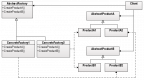
Overview of Kubernetes Design Patterns Features and Architecture
- What are software design patterns?
- How are design patterns implemented in DevOps for government?
Defining the Fundamentals and Uses of Kubernetes Design Patterns for Government
Introduction to Primary Classifications of Design Patterns
- Structural patterns
- Behavioral patterns
- Creational patterns
Operating Design Patterns and Implementing Pattern Applications for Government
- Exploring secondary design pattern types for government use
- Carrying out Kubernetes projects using design patterns for government operations
Executing Deployment Strategies for Design Pattern Implementations for Government
- Choosing and performing the appropriate method of deployment for government systems
Working with Kubernetes API and Accessing Official Client Libraries for Government
- Operating the Python client library and repository for government use
- Employing community-maintained libraries for government applications
Overview of Kubernetes Extensions and Custom Resources for Government
- Extensions for Kubernetes clusters in government environments
- Extensions for the Kubernetes API for government use
- Working with Kubernetes extension patterns and extension points for government operations
Utilizing Essential Kubernetes Extensions and Plug-ins for Government
Extending Kubernetes Clients and Operating Custom API Controllers for Government
Creating and Deploying Customized Resource Definitions for the Kubernetes API in Government
Working with Admission Controller Extensions and Utilizing the Kubernetes Operator for Government
Extending the Kubernetes Scheduler and Developing a Custom Scheduler for Government
- Node Affinity vs. Pod Affinity for government applications
Integrating Kubernetes Extensions within the Kubernetes Infrastructure for Government
Troubleshooting for Government
Summary and Conclusion for Government
Requirements
- Basic experience with the Kubernetes platform and tools for government use
- Understanding of containerization technology and concepts
- Experience with Linux distributions and command-line interface (CLI)
- Proficiency in the Python 3.x programming language
Audience
- Developers for government projects
- DevOps Engineers for government initiatives
Testimonials (2)
Craig was extremely involved in the training, always making sure we are paying attention, adapted the examples to our day-to-day activities and always provided an answer when asked, even if the information was not added in the presentation.
Ecaterina Ioana Nicoale - BOOKING HOLDINGS ROMANIA SRL
Course - DevOps Foundation®
High level of commitment and knowledge of the trainer