Thank you for sending your enquiry! One of our team members will contact you shortly.
Thank you for sending your booking! One of our team members will contact you shortly.
Duration 28 hours
Course Outline
Introduction to Virtual and Augmented Reality
- Core definitions and distinctions between VR and AR
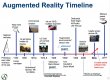
- Historical progression and technological evolution
- Current market trends and future projections
- Summary of sector-specific use cases
- Advantages and obstacles associated with VR/AR integration
VR/AR Hardware and Software Infrastructure
- VR headsets, AR eyewear, and supporting hardware
- Development platforms and software utilities for VR/AR
- Comparative analysis of leading VR/AR systems
VR/AR Implementation in Automation
- Training simulations and scenario replication
- Maintenance operations and diagnostic troubleshooting
- Process oversight and control mechanisms
VR Development Toolkits
- Unity and Unreal Engine frameworks
- VR SDKs and API interfaces
- 3D modeling and simulation applications
AR Development Toolkits
- ARKit, ARCore, and Vuforia platforms
- Mobile AR development environments
- Marker-based and markerless AR methodologies
Integration with Automation Systems
- Linking VR/AR with PLCs, SCADA, and DCS
- Data visualization and user interaction protocols
User Experience and Interface Architecture
- Fundamentals of VR/AR UX/UI design
- Ergonomic standards and user comfort considerations
- Interaction paradigms and input device specifications
Prototyping and Development Lifecycle
- Constructing VR/AR prototypes
- Iterative development cycles and testing procedures
- Debugging strategies and performance optimization
Project Management Protocols
- Strategic planning and execution of VR/AR initiatives
- Collaborative workflows and team role definitions
- Budget formulation and resource distribution
VR Training Simulation Modules
- Building a VR training environment for industrial operations
- Replicating real-world scenarios and emergency responses
AR Maintenance Applications
- Developing an AR application for equipment maintenance and troubleshooting
- Incorporating real-time data streams and interactive guides
Process Monitoring via VR/AR
- Designing a VR/AR interface for real-time process monitoring
- Visualizing automation data in virtual/augmented environments
Emerging VR/AR Technologies
- Hardware and software advancements
- Prospective applications in industrial automation
AI and Machine Learning in VR/AR
- Enhancing VR/AR experiences through artificial intelligence
- Predictive maintenance and intelligent automation processes
Ethical and Safety Frameworks
- Ensuring safety standards in VR/AR deployments
- Addressing ethical considerations and data privacy
Summary and Subsequent Actions
Requirements
- Foundational knowledge of automation and control systems
- Proficiency with industrial processes and technologies
Intended Audience
- Automation engineers
- Industrial engineers
- Systems integrators
- Robotics engineers