Thank you for sending your enquiry! One of our team members will contact you shortly.
Thank you for sending your booking! One of our team members will contact you shortly.
Duration 24 hours
Course Outline
Overview of Design Thinking Methodology
- Definition and scope of Design Thinking
- The significance of adopting a human-centered approach to design
- Historical context and the development of Design Thinking
- Practical implementations and illustrative case studies
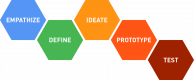
The Stages of Design Thinking
- Empathize: Identifying and comprehending user requirements
- Define: Clarifying and framing the central problem
- Ideate: Facilitating the generation of innovative concepts
- Prototype: Creating functional models for evaluation
- Test: Assessing solutions and implementing iterative improvements
Design Thinking Strategies and Resources
- User inquiry techniques (including interviews, surveys, and observational studies)
- Development of empathy maps and user journey maps
- Methods for brainstorming and visualizing ideas through mind mapping
- Instruments and methodologies for prototyping
- Establishing feedback mechanisms and iterative development cycles
Implementation of Design Thinking in Operational Environments
- Leveraging Design Thinking to address internal organizational challenges
- Strengthening collaborative efforts and enhancing creative problem-solving capabilities
- Optimizing operational processes and improving overall efficiency
- Integrating Design Thinking principles into product and service development
Concluding Practical Exercise and Evaluation
- Team-based assignment: Applying Design Thinking principles to a practical scenario
- Presentation of findings and facilitation of peer review
- Final assessment to verify competency and knowledge retention
Summary and Recommended Follow-Up Actions
Requirements
- Familiarity with standard business processes and foundational problem-solving concepts
- Practical experience collaborating within teams and across cross-functional initiatives
Target Audience
- Corporate and public sector professionals
- Project managers
- Members of innovation and strategic planning teams
- Product and service developers