Online or onsite, instructor-led live Professional Development training courses illustrate through interactive hands-on practice how to utilize soft skills, leadership strategies, and communication techniques to enhance personal effectiveness, team collaboration, and organizational impact for government.
Professional Development training is available as "online live training" or "onsite live training." Online live training (also known as "remote live training") is conducted via an interactive remote desktop. Onsite live training can be provided locally on customer premises in Florida or in Govtra corporate training centers in Florida.
Govtra — Your Local Training Provider for government
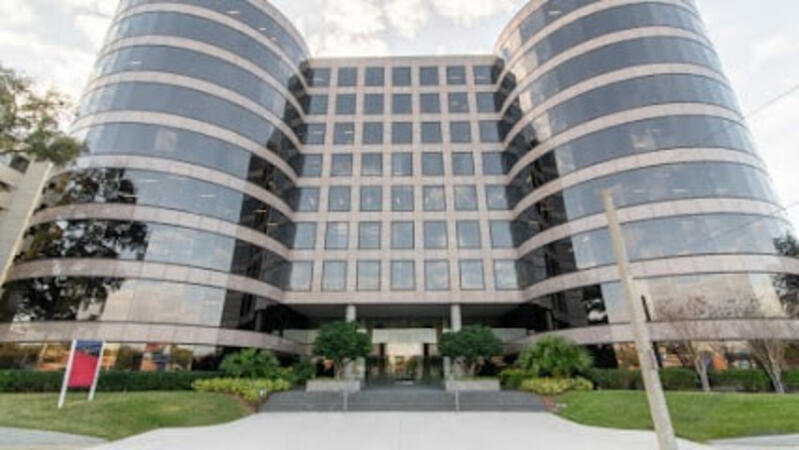
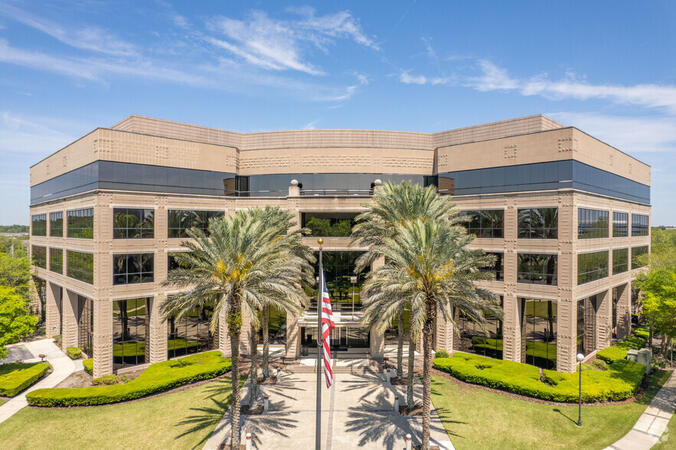
Jacksonville, FL – Deerwood Park
10151 Deerwood Park Blvd 200, Suite 250, Jacksonville, United States, 32256
The venue is nestled in the Deerwood Park campus at 10151 Deerwood Park Boulevard, just off J. Turner Butler Boulevard (JTB) and I‑295, with free on-site parking and adjacent lots. From Jacksonville International Airport (JAX), approximately 18 miles north, a taxi or rideshare takes about 25 minutes via I‑95 South and JTB West. Public transit is available via Jacksonville’s JTA bus routes stopping within walking distance, making the landscaped campus—complete with fountains, cafes, and scenic walkways—easily accessible for attendees without a car.
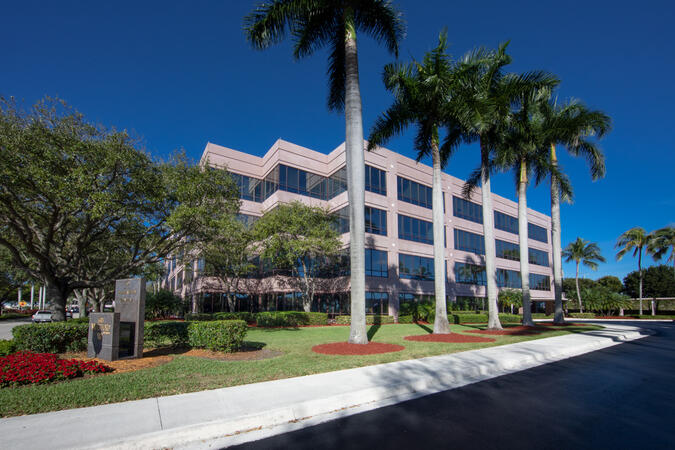
Miami, FL – Regus at Waterford at Blue Lagoon
6303 Blue Lagoon Drive, Suite 400, Miami, United States, 33126
The venue is set within the Waterford business park at 6303 Blue Lagoon Drive, just minutes from Miami International Airport. It’s accessible by car via I‑95, Florida Turnpike, 826, or Dolphin Expressway, with abundant covered and surface parking on-site. From Miami International Airport (MIA), a taxi or rideshare takes approximately 10 minutes via the Dolphin Expressway. Public transit options include TheBus routes and nearby Tri-Rail stations, with the property a short walk from bus stops—making it convenient even for attendees without a car.

Tampa, FL – Regus at Wells Fargo Center
100 S. Ashley Drive, Suite 600, Tampa, United States, 33602
The venue is located in the 22-story Wells Fargo Center in downtown Tampa, easily accessible by car via I‑275, I‑4, I‑75, or the Selmon Expressway, with covered garage parking (610+ spaces) directly connected to the building. From Tampa International Airport (TPA), a taxi or rideshare takes about 15 minutes via I‑275 East and Ashley Drive. Public transit is excellent with the Downtown Tampa Station (NFTA Metro Rail) just a block away and several bus routes running along Ashley and Brorein Streets, making it ideal for attendees arriving without cars.
FL, Orlando – GAI Building
618 E. South Street Suite 500, Orlando, United States, 32801
The venue is located in the GAI Building with the CNS Healthcare logo at the front.
FL, Jacksonville - Bank of America Tower
50 N. Laura Street Suite 2500, Jacksonville, United States, 32202
The office is located in a premier office tower in Downtown Jacksonville on the 42nd floor. This Class A LEED Certified building is situated in the Northbank Office Market Preeminent location that provides commanding views. Downtown Trolley and Bus stops are located just across the street on Forsyth with easy access to I-95 leading to I-10 and I-295. Convenient to Jacksonville International Airport, the building is also just minutes to Everbank Field, Jacksonville Landing, Times Union Performing Arts Center, Jacksonville Veterans Memorial Arena and Jacksonville Public Library. Spectacular views of the St John's River in Jacksonville, Florida are one of many features that make the Bank of America Tower office space stand out. The office space occupies a blue granite tower in the heart of the city's central business district. The iconic tower is one of the best-known business premises in the southeastern United States and includes a statement lobby and class-A workspace. Businesses of all kinds appreciate Jacksonville's location at the crossroads of three major railroads and three interstates, and its international airport.
FL, Tallahassee – Alliance Center
113 South Monroe Street 1st Floor, Tallahassee, united states, 32301
The venue is located in the Alliance Center across the street from FUBA and the Florida Optometric Association.
FL, West Palm Beach - Philips Point
777 South Flagler Drive, West Palm Beach, United States, 33401
The venue is located in the Philips Point building just off the Royal Park Bridge.
FL, Aventura - Corporate Center
20801 Biscayne Blvd., Miami, united states, 33180
The venue is located in the Grove Bank & Trust building just off Biscayne Blvd.
FL, Fort Lauderdale - Corporate Center
Corporate Center, 110 East Broward Blvd., Fort Lauderdale, United States, 33301
The venue is located in the Corporate Center across the street from the Uniform Advantage Corporate Office and just next door to Colliers International.
Miami Beach, FL – Regus at Meridian Center
1688 Meridian Avenue, Suites 600/700, Miami Beach, United States, 33139
The venue is located on the corner of Meridian Avenue and 17th Street in Miami Beach’s vibrant City Center district, accessible by car via I‑195 and the MacArthur Causeway with underground and street parking nearby. From Miami International Airport (MIA), taxis or rideshares typically take 15–20 minutes via I‑195 East and Biscayne Boulevard. Public transit is seamless: several Metrobus routes serve Meridian Avenue, and the nearby 17th Street trolley stop makes it easy to reach without a car. The central location places the venue steps from the Miami Beach Convention Center, Lincoln Road Mall, restaurants, galleries, and retail.
Tampa, FL - Regus - One Urban Centre at Westshore
4830 W Kennedy Blvd #600, Tampa, United States, 33609
The venue is located in the Westshore business district at 4830 West Kennedy Boulevard, seamlessly accessible by car via I‑275 or I‑75 with secure underground and surface parking on-site. From Tampa International Airport (TPA), take Memorial Highway to I‑275 South and exit at West Kennedy Boulevard—taxi or rideshare typically takes about 15–20 minutes. Public transit users can reach the venue via HART bus routes (such as Route 2 or 32) stopping nearby, followed by a short walk into the building lobby.
Handling Difficult Clients and Conflict Resolution for Improved Customer Satisfaction is a comprehensive course designed to enhance communication, empathy, and conflict management skills in customer-facing professionals.
This instructor-led, live training (online or onsite) is aimed at intermediate-level professionals who wish to effectively manage difficult clients, resolve conflicts constructively, and improve customer satisfaction through structured follow-up and evaluation practices for government and private sector organizations.
By the end of this training, participants will be able to:
- Identify the root causes of client dissatisfaction and conflict situations.
- Apply emotional intelligence principles and communication strategies to defuse tension.
- Resolve customer complaints effectively while maintaining business relationships.
- Conduct service evaluations and implement customer satisfaction surveys to measure improvement.
**Format of the Course**
- Interactive lecture and discussion.
- Role-playing, simulations, and real-world case studies.
- Hands-on exercises for communication and conflict resolution techniques.
**Course Customization Options**
- To request a customized training for this course, please contact us to arrange.
This instructor-led, live training in [location] (online or onsite) is designed for government professionals who wish to develop applications and automate processes without requiring an IT background.
By the end of this training, participants will be able to:
- Understand citizen development and learn common actions performed by citizen developers.
- Master the skills needed to perform process automation.
- Automate tasks within business applications for government use.
In serving the public, providing exceptional customer service is essential for fostering positive interactions and creating opportunities for repeat engagement. The Customer Care Service course will explore various types of customers and strategies to serve them more effectively, while also enhancing personal skills in the process.
Objective
The primary goal of this Customer Care Service course is to equip participants with the necessary skills and knowledge to handle customer interactions efficiently. Participants will learn essential techniques for face-to-face communication, phone conversations, email correspondence, and managing difficult customers. Additionally, the course will focus on generating repeat business successfully.
Training Benefits
Identify and meet customer expectations
Communicate effectively with customers
Manage customer perceptions
Handle different types of customers
Respond appropriately to in-person and telephone inquiries
Write effective emails and letters
Manage stress and maintain composure
Engage in course discussions and exercises
Participate in stimulating exercises designed to enhance problem-solving skills and improve the overall mindset for customer care service. This course is tailored to accommodate a wide range of customer service environments, ensuring it meets the needs of all participants.
The Customer Care Service course is specifically designed to support the mission of providing high-quality service for government agencies, ensuring that public sector employees are well-prepared to meet the diverse needs of their constituents.
A highly participatory course involving individual and group discussions and skills practice, enabling participants to share ideas and enhance their skill levels.
Audience
This course is designed for anyone looking to improve their assertiveness skills within a professional setting.
Aim
The aim of this course is to boost confidence and increase the ability of participants to communicate confidently and assertively with colleagues and customers, enhancing overall effectiveness in the workplace.
Objectives
By the end of the program, participants will:
Understand and overcome barriers to assertiveness
Identify behavioral traits in themselves and others and learn effective strategies for managing these behaviors
Communicate effectively with a diverse range of individuals to achieve mutually beneficial outcomes whenever possible
Manage difficult situations with proficiency, ensuring positive outcomes
This course is tailored to align with the needs of public sector employees, providing them with the tools necessary for government service excellence.
This instructor-led, live training in Florida (online or onsite) is part of the Data Scientist skill set (Domain: Advisory & Leadership) and is aimed at professionals who wish to build impactful communication, problem-solving, and leadership skills to thrive in data science or analytics teams for government.
By the end of this training, participants will be able to:
Apply structured problem-solving and root cause analysis techniques.
Communicate insights effectively through impactful storytelling and visualization.
Lead change initiatives and influence stakeholders with confidence.
Manage data-related projects using a clear and practical framework for government workflows, governance, and accountability.
The two-day workshop is designed to equip technical and administrative professionals with enhanced analytical and creative thinking competencies for government. Participants will refine their left-brain and right-brain thinking skills, learning to apply them effectively in a variety of work-related scenarios. The workshop will familiarize attendees with numerous proven techniques and tools that can be utilized to analyze, correlate, justify, and draw conclusions from information.
Communication skills have long been recognized as essential for professional success, and many careers have stalled or faltered due to a lack of these skills. Contrary to popular belief, few individuals are naturally endowed with strong communication abilities; most develop these skills through practice or by learning from their mistakes. This course is designed to assist participants in enhancing their communication skills, thereby improving their ability to collaborate effectively with others.
Mediation skills, while related to communication, have distinct characteristics that set them apart. While effective communication is a prerequisite, the key elements for mediators are active listening and attentiveness to what is being said. The primary role of a mediator is to facilitate the parties in reaching a mutually acceptable solution to their dispute without taking sides, making judgments, or offering guidance. Mediators focus on fostering effective communication and building consensus between the parties. This course also covers the broader range of skills required for government mediators to be effective in their roles.
A customer care strategy plays a critical role in building customer satisfaction, helping organizations retain loyal customers and increase levels of repeat business. Through effective customer service, agencies can gain the client’s trust, enhance their image, and strengthen their competitive advantage in the market. This course focuses on strategies and skills for building lifelong customer relationships by developing valuable and effective customer-care strategies for government. Satisfied customers may, through conversations and story-telling, become voluntary advocates for your agency and are highly likely to recommend your services to others. This workshop will also help participants communicate effectively, appropriately, and clearly in all situations.
OBJECTIVES
Developing competencies in the area of professional customer care for government
Increasing the efficiency of communication with customers
Attaining the knowledge of how to understand the underlying needs and expectations of customers
Building strong and sustainable relationships with clients
Expanding the positive image of the agency in the market
Identifying, reducing, and overcoming objections and barriers
Learning about personalities and communication preferences when dealing with clients
Establishing the ability to create an open environment for communication
Developing skills to communicate clearly and effectively
Identifying barriers to effective communication
Mastering body language and non-verbal communication
METHODS
Role-playing
Self-assessment tests
Exercises in groups
Individual work
Practice sessions
Lectures
Discussions
LEARNING OUTCOMES
At the completion of this course, participants will be able to:
Adopt a focused customer care strategy for government
Identify key customer issues
Build the professional image of the agency
Adapt to specific customer behavior styles
Increase customer loyalty through exceptional customer service
Develop communication abilities with clients
Use techniques to build relationships
Develop a personal action plan to improve customer service skills
Show gestures of generosity and high-quality customer care
Use techniques to deal with difficult situations
Recognize barriers to the delivery of outstanding customer service
Staff who need to be fully prepared to deliver high-quality coaching sessions for government:
To individual members of their own staff
To their teams
To individuals who are not directly connected to their own teams but would benefit from their independent and non-judgmental input
Format of the Course
The course will be a combination of:
Facilitated discussions
Delegated coaching sessions, with comprehensive feedback
By the End of the Course, Delegates Will Be Able to:
Define "coaching" and explain in detail its use for improving individual and team performance, particularly in understanding and addressing under-performance issues.
Deliver meaningful coaching sessions that align with public sector workflows, governance, and accountability standards.
In an increasingly globalized world, we operate in more multicultural environments where conflicts between individuals and groups are possible. The foundational belief behind conflict resolution is that while conflicts are unavoidable, they are manageable.
Assertiveness, self-confidence, negotiation skills, and interpersonal competencies are crucial in supporting conflict resolution. In our daily lives, we encounter numerous situations where we consciously or unconsciously manage conflicts with family members, friends, clients, and business partners. Mastering conflict resolution helps to address these issues effectively, enhancing communication, persuasion, business outcomes, and both organizational and personal performance.
This course for government offers a blend of theories and concepts, combined with group exercises and individual activities to enable participants to share ideas and develop their skills.
### Objectives:
- To understand the fundamentals and nuances of conflicts in organizations
- To explore key concepts, factors, theories, types, and models in conflict resolution
- To identify personality types and leadership styles that support negotiation skills
- To learn the principles of assertiveness and self-confidence
- To practice and experience conflict resolution techniques
This course is designed to enhance your ability to think strategically, equipping you with the skills necessary to approach complex situations, avoid biases, and make well-informed decisions swiftly and accurately. By exploring various thinking styles and common pitfalls in strategic thinking, you will gain a comprehensive understanding of how to apply these principles effectively in your professional activities for government.
"High-Impact Communication Skills," designed to equip participants with the essential tools for clear, confident, and influential communication. In today's public sector environment, the ability to convey ideas effectively is paramount. This training addresses two of the most critical aspects of professional communication: mastering interpersonal skills and delivering powerful presentations.
The program takes a comprehensive approach, beginning with foundational communication principles and then moving to a dedicated module on overcoming the fear of public speaking. Participants will learn practical, actionable techniques to structure and deliver compelling presentations. The entire learning experience is grounded in the principles of Emotional Intelligence, empowering participants to communicate with greater empathy, awareness, and impact.
By the end of this training for government, participants will be able to:
Apply practical techniques for clearer, more empathetic, and objective interpersonal communication.
Implement proven strategies to manage public speaking anxiety and project confidence.
Structure a compelling presentation with a clear opening, logical flow, and memorable conclusion.
Deliver presentations in an engaging manner, utilizing effective body language and vocal variety.
Identify the core principles of Emotional Intelligence and use them to build stronger professional relationships.
Develop a personal action plan to continue fostering their communication and presentation skills.
This instructor-led, live training for government employees (online or onsite) is aimed at individuals who wish to manage their stress effectively and achieve a calmer, clearer, and more energetic state in their daily lives.
By the end of this training, participants will be able to:
- Understand the two types of stress: distress and eustress.
- Identify personal indicators and relievers of stress.
- Develop a plan with specific routines to enhance calm, clarity, and energy while minimizing accumulated stress throughout the day.
- Shift negative emotions and boost positive ones using proven techniques.
- Address stress-causing, disempowering beliefs related to work, life, and relationships.
Maintaining a high level of productivity in today's successful organizations requires continuous learning and development in various management skills and techniques. To excel in daily work tasks, individuals must acquire, practice, and implement knowledge and skills in effective management practices. Professionals across all sectors often find themselves seeking more productive methods for planning work and tasks, setting appropriate goals, fostering strong interpersonal relationships, and employing efficient decision-making processes. A focus on utilizing productive practices enables the effective and efficient management of work and facilitates organizational change.
Objectives
Utilize simple frameworks for planning, including the allocation and management of priorities, scheduling work, working proactively and reactively, and project planning.
Acquire leadership techniques for work planning and priority setting.
Master management techniques to plan, set priorities, and establish and maintain goals.
Develop the skills necessary to ensure timely completion of assigned tasks.
Apply basic project planning tools to develop a work strategy.
Set goals and targets effectively and efficiently.
Learn how to establish and maintain task deadlines.
Understand the characteristics of colleagues who assist in work assignments.
Cultivate positive interpersonal techniques for better management of work tasks.
Learn how to balance time, cost, scope, and quality constraints in planning work.
Comprehend the role of stakeholders in a project and develop stakeholder management techniques.
Develop strategies for managing organizational change, including delegation and empowerment.
Enhance communication and human interaction skills with colleagues.
Understand and develop the skills necessary to set goals within a strategic and organizational context.
Explore methods to improve decision-making processes.
Understand how delegation can be used in goal setting and planning.
Identify decision-making processes and their impact on organizations.
Develop the ability to make higher-quality decisions, both individually and as part of a team.
Build and maintain effective and efficient planning procedures and processes for government.
Integrate planning management functions into the overall mission of the organization.
Develop leadership skills that will enhance capability, skill, and morale.
Improve preparedness to handle task and work contingencies.
Enhance performance in setting and completing work objectives.
Enable teams and leaders to better meet the challenges of dynamic and constant change.
Establish organizational and personal decision-making capabilities.
This course is designed for all levels of employees whose work processes and schedules would benefit from enhanced time management skills and the use of relevant tools. It is particularly applicable for team leaders and managers responsible for assigning tasks and setting deadlines for their staff, enabling them to prioritize effectively and establish realistic timelines for government operations.
In the context of professional development for government employees, it is often assumed that learning a new process, tip, or trick is necessary to impress colleagues, secure a promotion, or achieve excellence. However, the key to such advancements frequently lies in altering one's beliefs. Beliefs are persistent thoughts that subconsciously influence and dictate our actions.
This course for government staff demonstrates how to effectively change behaviors by focusing on the belief component of the cycle rather than directly modifying the behavior itself—leading to natural and sustainable improvements.
Commonly, there is a misconception that we must act in a certain way (do) to achieve great results (get), which then enables us to become the person we aspire to be (be). In reality, the process should start with becoming that person first. By adopting the standards and worldview of the individual we wish to emulate, our behaviors will naturally align, leading to improved outcomes.
Read more...
Last Updated:
Testimonials (6)
The level of engagement and passion.
Dai Forterre - Netherlands Business Support Office (NBSO) Indonesia
Course - High-Impact Communication Skills
Very interactive session
Ewelina - GE HealthCare
Course - How to Learn New Behaviours to Improve Your Results
As it was a 1:1, the personalization of the content.
Patricia - Embraer
Course - Influencing and Avoiding Conflict
Open atmosphere without judgment
Agnieszka - AXA XL
Course - Business Communication Skills
good balance between theories and practices
Akos Hegyi - BioLife Plazma Hungary Kft. / Sanaplasma Kft.
Course - Conflict Resolution, Assertiveness and Self Confidence
We could practice on real situation and Helen gave to me a lot of practical tips.
Online Professional Development training in Florida, Professional Development training courses in Florida, Weekend Professional Development courses in Florida, Evening Professional Development training in Florida, Professional Development instructor-led in Florida, Professional Development one on one training in Florida, Professional Development instructor in Florida, Professional Development coaching in Florida, Professional Development classes in Florida, Weekend Professional Development training in Florida, Online Professional Development training in Florida, Professional Development boot camp in Florida, Professional Development private courses in Florida, Professional Development trainer in Florida, Professional Development on-site in Florida, Evening Professional Development courses in Florida, Professional Development instructor-led in Florida