NobleProg offers comprehensive AI for DevOps training courses tailored to the dynamic professional landscape of Virginia. Our programs are designed to empower organizations in this region with cutting-edge skills and strategic insights, driving innovation and operational excellence. By leveraging our local expertise, we ensure that participants receive high-quality education relevant to the specific needs of the Virginia market.
Move beyond reactive incident management by leveraging artificial intelligence to enable DevOps workflows that anticipate issues, adjust dynamically, and self-correct.
These instructor-led modules examine how AI integration strengthens each stage of the software development lifecycle — including automated build processes, optimized deployment strategies, anomaly detection, and predictive incident analysis to prevent escalation.
Instruction is offered through live online sessions via interactive remote desktop, or onsite in Virginia, featuring practical exercises aligned with enterprise CI/CD architectures, monitoring frameworks, and cloud environments tailored for government use cases for government.
Whether the objective is modernizing existing infrastructure or establishing intelligent delivery mechanisms from the ground up, onsite workshops may be conducted at your agency’s facilities in Virginia or at a NobleProg training center equipped for collaborative professional development.
Recognized as AI-Assisted DevOps, Intelligent DevOps, or AI-Enhanced CI/CD, this curriculum supports teams in enhancing pipeline resilience and transitioning from manual automation to autonomous operations.
NobleProg – Your Local Training Provider
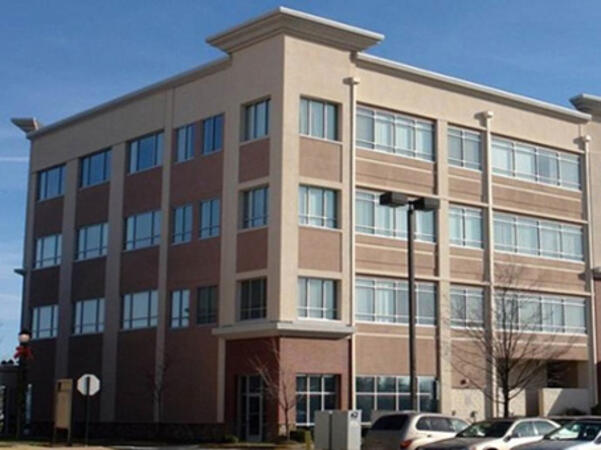
VA, Stafford - Quantico Corporate
800 Corporate Drive, Suite 301, Stafford, united states, 22554
The venue is located between interstate 95 and the Jefferson Davis Highway, in the vicinity of the Courtyard by Mariott Stafford Quantico and the UMUC Quantico Cororate Center.
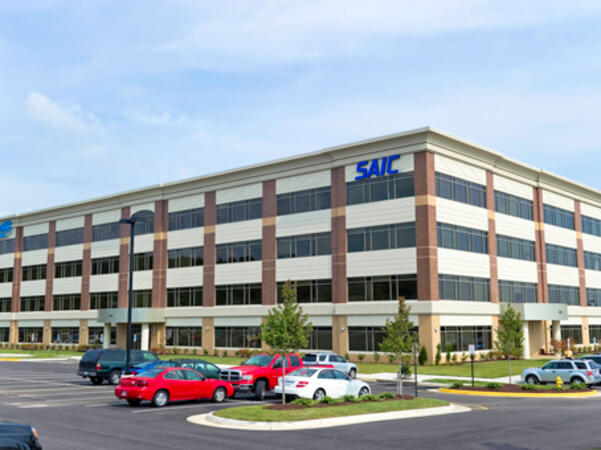
VA, Fredericksburg - Central Park Corporate Center
1320 Central Park Blvd., Suite 200, Fredericksburg, united states, 22401
The venue is located behind a complex of commercial buildings with the Bank of America just on the corner before the turn leading to the office.
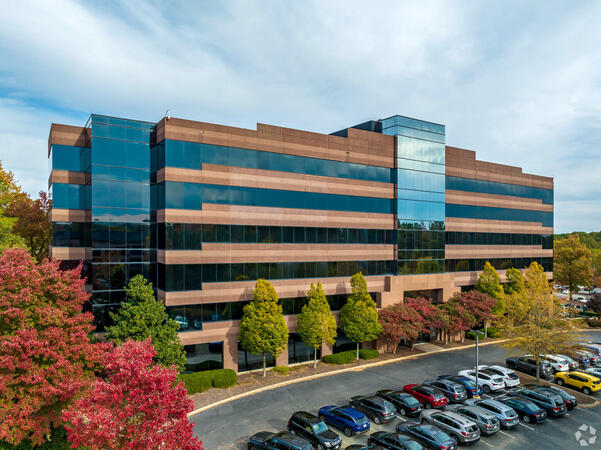
VA, Richmond - Two Paragon Place
Two Paragon Place, 6802 Paragon Place Suite 410, Richmond, United States, 23230
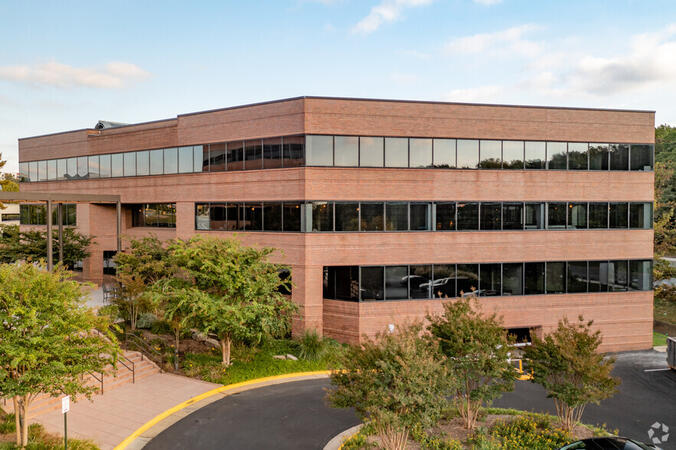
The venue is located in bustling Richmond with Hampton Inn, Embassy Suites and Westin Hotel less than a mile away.
VA, Reston - Sunrise Valley
12020 Sunrise Valley Dr #100, Reston, United States, 20191

The venue is located just behind the NCRA and Reston Plaza Cafe building and just next door to the United Healthcare building.
VA, Reston - Reston Town Center I
11921 Freedom Dr #550, Reston, united states, 20190

The venue is located in the Reston Town Center, near Chico's and the Artinsights Gallery of Film and Contemporary Art.
VA, Richmond - Sun Trust Center Downtown
919 E Main St, Richmond , united states, 23219
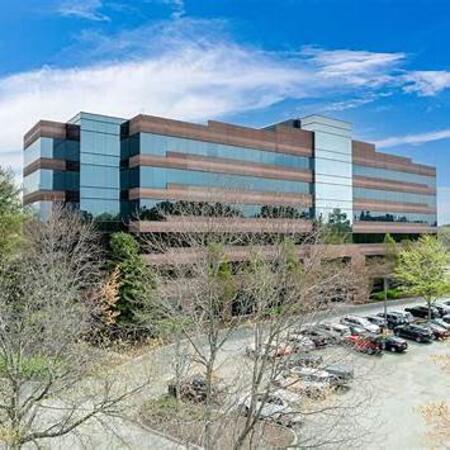
The venue is located in the Sun Trust Center on the crossing of E Main Street and S to N 10th Street just opposite of 7 Eleven.
Richmond, VA – Regus at Two Paragon Place
6802 Paragon Place, Suite 410, Richmond, United States, 23230
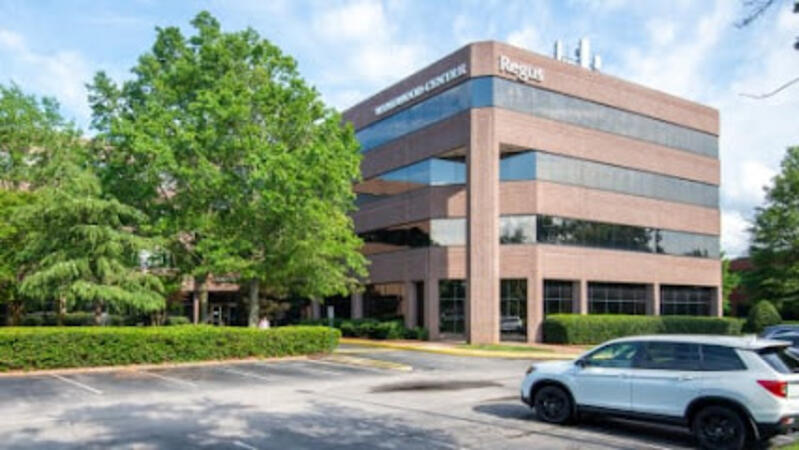
The venue is located within the Two Paragon Place business campus off I‑295 and near Parham Road in North Richmond, offering convenient access by car with free on-site parking. Visitors arriving from Richmond International Airport (RIC), approximately 16 miles northwest, can expect a taxi or rideshare ride of around 20–25 minutes via I‑64 West and I‑295 North. Public transit is available via GRTC buses, with routes stopping along Parham Road and Quioccasin Road, just a short walk to the campus.
Virginia Beach, VA – Regus at Windwood Center
780 Lynnhaven Parkway, Suite 400, Virginia Beach, United States, 23452
The venue is situated within the Windwood Center along Lynnhaven Parkway, featuring modern concrete-and-glass architecture and ample on-site parking. Easily accessible by car via Interstate 264 and the Virginia Beach Expressway, the facility offers a hassle-free commute. From Norfolk International Airport (ORF), located about 12 miles northwest, a taxi or rideshare typically takes 20–25 minutes via VA‑168 South and Edenvale Road. For those using public transit, the HRT bus system includes stops at Lynnhaven Parkway and surrounding streets, providing convenient access by bus.
AI-driven rollout control leverages machine learning, pattern analysis, and adaptive decision models to manage feature flag operations and canary testing workflows.
This instructor-led, live training (online or onsite) targets intermediate-level engineers and technical leads seeking to enhance release reliability and optimize feature exposure decisions using AI-driven analysis, specifically designed for government agencies.
Upon completion of this course, participants will be able to:
Apply AI-based decision models to assess the risk of new feature exposure.
Automate canary analysis using performance, behavioral, and operational indicators.
Integrate intelligent scoring systems into feature flag platforms.
Design rollout strategies that dynamically adjust based on real-time data.
Format of the Course
Guided discussions supported by real-world scenarios.
Self-healing automation refers to the application of intelligent systems to detect pipeline disruptions, determine root causes, and execute immediate corrective measures.
This instructor-led training program, available in online or onsite formats, targets advanced professionals seeking to incorporate artificial intelligence-driven incident detection and automated remediation into their delivery pipelines.
Upon completion of this course, participants will acquire the capability to:
Monitor pipelines utilizing AI-based anomaly detection models for government and enterprise environments.
Architect automated recovery workflows to address failures immediately.
Deploy intelligent feedback loops designed to prevent recurring technical issues.
Strengthen system resilience and reliability within CI/CD frameworks.
Course Format
Expert-led instruction supplemented with real-world case studies.
Hands-on development of automated resolution mechanisms within a lab environment.
Course Customization Options
To arrange tailored content that addresses your organization’s specific workflows or incident-response requirements, please contact us for further arrangements for government and public sector applications.
GitHub Copilot functions as an artificial intelligence-driven development assistant that facilitates the automation of technical workflows, encompassing DevOps activities such as the creation of YAML configurations, GitHub Actions workflows, and deployment scripts.
This instructor-led training program, available in online or onsite formats, is designed for professionals at beginner to intermediate proficiency levels seeking to utilize GitHub Copilot to optimize DevOps operations, enhance automation capabilities, and increase overall operational efficiency. The content is tailored specifically for government audiences requiring secure and efficient technological adoption.
Upon completion of this instructional module, participants will be equipped to:
Utilize GitHub Copilot to support shell scripting, infrastructure configuration, and CI/CD pipeline management.
Implement AI-assisted code completion for YAML files and GitHub Actions definitions.
Expedite testing procedures, deployment processes, and automation workflows.
Apply Copilot in accordance with established best practices while maintaining awareness of artificial intelligence constraints.
Course Structure
Engaging lectures and structured discussions.
Extensive practical exercises and applied learning.
Live laboratory implementation for hands-on experience.
Customization Opportunities
To arrange a customized training program for this course, please contact our administrative office.
AI-enabled compliance monitoring represents a specialized domain that leverages intelligent automation to detect, enforce, and validate policy mandates throughout the software development lifecycle.
This instructor-led, live training—available in online or onsite formats—targets intermediate-level practitioners seeking to integrate AI-driven compliance controls into their CI/CD pipelines for government applications.
Upon completion of this training, participants will possess the capability to:
Implement AI-based verification procedures to identify compliance deficiencies during software builds.
Utilize intelligent policy engines to enforce regulatory, security, and licensing standards.
Automatically detect configuration drift and deviations from established baselines.
Integrate real-time compliance reporting into continuous delivery workflows.
Course Format
Instructor-guided instruction supplemented by practical demonstrations.
Experiential exercises focused on real-world CI/CD compliance scenarios.
Applied experimentation within a controlled DevSecOps laboratory environment.
Course Customization Options
For organizations requiring tailored compliance integrations, please contact us to arrange specialized support.
Continuous Integration and Continuous Delivery for artificial intelligence represents a systematic methodology for automating the packaging, validation, containerization, and deployment of models through established CI/CD pipelines.
This instructor-led program, available in online or onsite formats, targets intermediate professionals seeking to automate end-to-end AI model delivery processes utilizing Docker and CI/CD platforms.
Upon completion of this training, participants will demonstrate the ability to:
Develop automated pipelines for the construction and testing of AI model containers.
Establish version control mechanisms to ensure reproducibility throughout the model lifecycle.
Incorporate automated deployment strategies for artificial intelligence services.
Apply CI/CD best practices specifically adapted for machine learning operations.
Course Format
Instructor-guided presentations and technical discussions.
Practical laboratories and hands-on implementation exercises.
Realistic CI/CD workflow simulations conducted in a controlled environment.
Customization Options
For government entities requiring customized pipeline workflows or specific platform integrations, please contact us to tailor this course.
AI-enabled test generation encompasses methodologies and instruments that automate the development of test cases and identify coverage deficiencies through machine learning algorithms.
This instructor-led training program, available in virtual or on-site formats, is designed for senior professionals seeking to implement artificial intelligence techniques for automated test creation and predictive gap analysis. It provides a framework for government agencies to enhance their quality assurance processes.
Upon completion of this workshop, participants will be equipped to:
Utilize AI models to construct robust unit, integration, and end-to-end test scenarios.
Apply machine learning algorithms to evaluate codebases and identify potential coverage vulnerabilities.
Embed AI-driven test generation capabilities into continuous integration and delivery (CI/CD) pipelines.
Refine testing strategies by leveraging predictive failure analytics.
Course Format
Technical instruction guided by subject matter experts.
Practical exercises and scenario-based learning activities.
Experimental application within a secure, controlled testing environment.
Customization Options
Organizations requiring alignment with specific enterprise toolchains or operational workflows may contact the training provider to arrange customized sessions.
Predictive build optimization leverages machine learning to evaluate build behavior, thereby enhancing system reliability, execution speed, and resource efficiency.
This instructor-led training, available in online or onsite formats, targets intermediate-level engineering personnel seeking to enhance build pipelines through automation, predictive modeling, and intelligent caching techniques. The curriculum is designed for government teams requiring scalable technical solutions for government operations.
Upon successful completion of this course, participants will demonstrate the ability to:
Utilize machine learning methodologies to analyze build performance patterns.
Identify and forecast build failures by examining historical log data.
Deploy machine learning-based caching strategies to minimize build cycle times.
Incorporate predictive analytics into established CI/CD workflows.
Course Format
Instructor-led lectures combined with collaborative analysis.
Practical exercises centered on the analysis and modeling of build data.
Hands-on implementation within a simulated CI/CD environment.
Program Customization
To tailor this training to specific technical environments or toolchains, please contact the administration to arrange customized programming.
Organizations leveraging exclusively open-source technologies can construct scalable and economical pipelines for AIOps, enabling robust observability, anomaly detection, and intelligent alerting within production infrastructure.
This instructor-led session, delivered either online or onsite, is designed for advanced engineering professionals seeking to implement a comprehensive AIOps pipeline utilizing Prometheus, ELK, Grafana, and proprietary machine learning models. These capabilities are particularly valuable for government agencies requiring secure and adaptable solutions for government operations.
Upon completion of this training, participants will demonstrate proficiency in:
Architecting AIOps systems using exclusively open-source components.
Aggregating and standardizing data derived from logs, metrics, and traces.
Deploying machine learning algorithms to identify anomalies and forecast system incidents.
Executing automated alerting and remediation workflows through open-source tooling.
Course Structure
Interactive instruction and technical discussion.
Comprehensive practical exercises and scenario-based learning.
Direct implementation activities within a live laboratory environment.
Customization Opportunities
Agencies seeking tailored training for this subject matter are encouraged to contact the administration to arrange specific requirements.
Artificial intelligence-enabled quality assurance automation strengthens conventional testing protocols by creating intelligent test scenarios, optimizing regression coverage, and embedding smart quality controls into continuous integration and delivery pipelines to ensure scalable and dependable software deployment.
This instructor-led, live training session, available in online or onsite formats, targets intermediate-level quality assurance and DevOps practitioners seeking to utilize artificial intelligence tools to automate and expand quality assurance processes within continuous integration and deployment frameworks tailored for government operations.
Upon completion of this instruction, participants will be equipped to:
Create, prioritize, and sustain test cases utilizing AI-driven automation platforms.
Incorporate intelligent quality assurance checkpoints into continuous integration and delivery pipelines to mitigate regression risks.
Apply artificial intelligence for exploratory testing, defect forecasting, and analysis of test instability.
Enhance testing efficiency and coverage across dynamic agile development projects.
Course Format
Interactive lectures and discussions.
Extensive practical exercises.
Direct implementation within a live laboratory environment.
Customization Options
To request customized training for this course, please contact us to arrange your session.
Enterprise-grade AIOps solutions, including Splunk, Moogsoft, and Dynatrace, deliver robust functionalities for identifying anomalies, correlating alerts, and automating responses within extensive IT infrastructures.
This instructor-led training program, available via online or onsite delivery, is designed for intermediate-level enterprise IT personnel seeking to incorporate AIOps tools into their existing observability frameworks and operational procedures.
Upon completion of this instruction, participants will be equipped to:
Configure and integrate Splunk, Moogsoft, and Dynatrace into a cohesive AIOps architecture.
Correlate metrics, logs, and events across distributed systems utilizing AI-driven analysis.
Automate incident detection, prioritization, and response through built-in and custom workflows.
Enhance performance, reduce mean time to resolution (MTTR), and improve operational efficiency at enterprise scale for government entities.
Course Format
Interactive lectures and discussions.
Extensive exercises and practical application.
Hands-on implementation within a live laboratory environment.
Customization Options
To arrange customized training for this course, please contact us.
Large language models and autonomous agent platforms such as AutoGen and CrewAI are transforming how DevOps teams manage change monitoring, test creation, and alert prioritization through the simulation of collaborative human decision-making. These technologies provide robust capabilities for government applications.
This instructor-led training, available in online or onsite formats, is designed for advanced-level engineers seeking to architect and deploy DevOps automation workflows driven by large language models (LLMs) and multi-agent systems.
Upon completion of this program, participants will demonstrate the ability to:
Incorporate LLM-based agents into CI/CD pipelines to enable intelligent automation processes.
Leverage agents to automate the generation of tests, analysis of commits, and production of change summaries.
Orchestrate multiple agents for alert triage, response formulation, and provision of DevOps recommendations.
Construct secure and maintainable workflows powered by agents utilizing open-source frameworks.
Course Format
Interactive lectures and guided discussions.
Extensive exercises and practical application.
Hands-on implementation within a live laboratory environment.
Course Customization Options
To request customized training for this course, please contact us to arrange.
Artificial Intelligence for IT Operations (AIOps) solutions are increasingly deployed to anticipate system events prior to occurrence and to automate root cause analysis (RCA), thereby reducing operational downtime and expediting resolution efforts.
This instructor-led live training, available in online or onsite formats, targets advanced IT professionals seeking to implement predictive analytics, automate remediation procedures, and design intelligent RCA workflows using AIOps tools and machine learning models tailored for government.
Upon completion of this training, participants will be capable of:
Constructing and training machine learning models to identify patterns indicative of system failures.
Automating root cause analysis workflows through the correlation of multi-source logs and metrics.
Integrating alerting and remediation processes into existing enterprise platforms.
Deploying and scaling intelligent AIOps pipelines within production environments.
Course Format
Interactive lectures and discussion sessions.
Extensive exercises and practical application.
Hands-on implementation within a live laboratory environment.
Course Customization Options
To request customized training for this course, please contact the program administrators to arrange accommodations.
Integrating artificial intelligence into DevSecOps frameworks enables the proactive identification of vulnerabilities, the enforcement of security mandates, and the automation of remediation activities across the software development lifecycle.
This instructor-led training program, available in online or onsite modalities, targets intermediate-level professionals engaged in DevOps and cybersecurity roles who seek to implement AI-enhanced methodologies to fortify security automation within development and deployment workflows for government systems.
Upon completion of this instruction, participants will be equipped to:
Incorporate AI-enabled security instrumentation into CI/CD pipelines.
Leverage artificial intelligence for static and dynamic analysis to identify defects at earlier stages.
Automate the detection of secrets, scanning of code vulnerabilities, and assessment of dependency risks.
Apply intelligent methods to facilitate proactive threat modeling and ensure adherence to policy requirements.
Course Format
Interactive instruction and professional discourse.
Extensive practical exercises and application-based learning.
Operational implementation within a live laboratory environment.
Customization Opportunities
Interested parties may contact the administration to arrange customized training tailored to specific organizational needs for government entities.
Automated deployment orchestration leveraging artificial intelligence utilizes machine learning algorithms to direct release protocols, identify irregularities, and initiate automatic remediation procedures when necessary.
This instructor-led program, available via online or in-person delivery, targets intermediate-level practitioners seeking to enhance deployment pipelines through AI-enabled decision support and resilience mechanisms. Designed for government contexts, this course ensures operational continuity and security compliance.
Upon successful completion of this training, participants will be equipped to:
Deploy AI-assisted release strategies to improve deployment safety and integrity.
Anticipate deployment risks through machine learning–based analytical insights.
Establish automated rollback procedures triggered by anomaly detection systems.
Improve system observability to facilitate intelligent orchestration processes.
Course Format
Instructor-led technical demonstrations and detailed analysis.
Practical exercises centered on deployment experimentation.
Interactive labs that replicate complex orchestration scenarios.
Customization Options
Tailored integrations, toolchain compatibility, and workflow alignment are available upon request to meet specific agency requirements.
Prometheus and Grafana serve as foundational tools for infrastructure observability, while the integration of machine learning introduces predictive capabilities and intelligent analytics to streamline operational decision-making processes.
This instructor-led training program, available via online or onsite delivery, is designed for intermediate-level professionals seeking to modernize monitoring frameworks by incorporating AIOps methodologies using Prometheus, Grafana, and machine learning techniques specifically for government applications.
Upon completion of this curriculum, participants will demonstrate the ability to:
Configure Prometheus and Grafana to support comprehensive observability across diverse systems and services.
Acquire, retain, and visualize high-fidelity time-series data streams.
Deploy machine learning models for the purposes of anomaly detection and predictive forecasting.
Establish intelligent alerting protocols grounded in predictive analytics.
Course Delivery Format
Engaging lectures coupled with interactive discussions.
Extensive practical exercises and skill-building activities.
Practical application within a live laboratory environment.
Customization Opportunities
To arrange tailored training services for this course, please contact us to coordinate requirements.
AI for DevOps leverages artificial intelligence to optimize continuous integration, testing, deployment, and delivery through intelligent automation and advanced optimization methodologies.
This instructor-led training, available via online or onsite delivery, is designed for intermediate-level DevOps practitioners seeking to integrate machine learning and AI into their CI/CD pipelines to enhance operational velocity, precision, and quality.
Upon completion of this program, participants will be equipped to:
Incorporate AI-driven tools into CI/CD workflows to enable intelligent automation.
Utilize AI-based solutions for code analysis, testing, and change impact assessment.
Refine build and deployment strategies through predictive analytics.
Establish traceability and drive continuous improvement via AI-enhanced feedback mechanisms.
Course Format
Interactive lectures accompanied by strategic discussion.
Extensive practical exercises and hands-on learning opportunities.
Direct implementation within a live laboratory environment.
Course Customization for Government
Agencies requiring tailored training solutions for this course should contact us to initiate arrangements.
Artificial Intelligence for IT Operations (AIOps) leverages machine learning and advanced analytics to automate and enhance information technology workflows, specifically within monitoring, incident detection, and response capabilities.
This instructor-led training program, available online or onsite, is designed for intermediate-level IT operations personnel seeking to apply AIOps methodologies. Participants will learn to correlate metrics and logs, mitigate alert fatigue, and enhance system observability through intelligent automation, ensuring alignment with public sector standards for government infrastructure.
Upon completion of this course, participants will be equipped to:
Comprehend the foundational principles and architectural framework of AIOps platforms.
Correlate data derived from logs, metrics, and traces to identify root causes of system issues.
Decrease alert fatigue by implementing intelligent filtering and noise suppression techniques.
Utilize open-source or commercial tools to automate monitoring and incident response procedures.
Course Format
Interactive lectures and structured discussions.
Comprehensive exercises and practical applications.
Hands-on implementation within a live laboratory environment.
Customization Options
For agencies requiring tailored curriculum development, please contact our team to coordinate arrangements.
This instructor-led, live training session delivered in Virginia (virtual or on-site) is designed for observability and Site Reliability Engineering professionals seeking to incorporate large language models and artificial intelligence into their monitoring, alerting, and incident resolution processes. The curriculum supports the development of specialized competencies for government practitioners who require advanced tools for system resilience and operational efficiency.
AIOps represents a dynamic discipline addressing the requirements of contemporary, intricate IT infrastructures, specifically those deployed within cloud environments. The AIOps Foundation course provides an exhaustive overview of the underlying concepts, technical frameworks, and operational practices associated with integrating artificial intelligence into IT operations management. This curriculum is designed to support government entities seeking specialized training for government personnel in this emerging sector.
The instructional program encompasses the historical context of AIOps, fundamental principles, available tools, and the organizational obstacles encountered by IT teams during implementation.
Upon completion of the training, participants must pass an assessment to earn the internationally recognized AIOps Foundation certification, which remains valid for a period of three years.
Target Audience
This educational offering is intended for professionals and managerial staff engaged in the following areas:
The AI Ops Advanced curriculum builds upon core AIOps concepts to deliver practical, experiential learning using real-world tools, advanced machine learning methodologies, automation workflows, and operational design patterns. The program equips participants with the capabilities to construct, configure, optimize, and extend AIOps pipelines and integration frameworks, ensuring alignment with public sector requirements for government.
This instructor-led, live training session (available online or onsite) targets intermediate to advanced IT professionals seeking to design and implement resilient AIOps ecosystems, conduct advanced analytics, and automate operational workflows using industry-standard tools.
Upon completion of this training, participants will be capable of:
Correlating and normalizing diverse operational data sources.
Designing and tuning anomaly detection and root cause analysis models.
Integrating AIOps solutions with ITSM and DevOps pipelines.
Developing closed-loop automation and predictive incident workflows.
AIOps, or Artificial Intelligence for IT Operations, leverages machine learning, advanced analytics, and automation to optimize and strengthen IT service management. This approach enables agencies to automate incident detection, correlate disparate events, and enhance the quality of operational decision-making.
This guided instruction, available online or at agency facilities, is designed for entry-level information technology staff seeking to master the foundational principles of integrating AI and big data into IT operations. The curriculum focuses on improving observability, performance metrics, and incident response capabilities.
To support federal workforce development and digital transformation initiatives for government, this training provides essential knowledge for modernizing IT infrastructure.
Upon successful completion of this course, participants will be able to:
Analyze the historical development and strategic significance of AIOps.
Detail the role of big data and machine learning technologies within AIOps frameworks.
Recognize critical operational metrics and applicable use cases for AIOps implementation.
Evaluate organizational impacts, deployment strategies, and associated challenges.
Course Structure
Engaging lectures and facilitated discussions.
Analysis of case studies and scenario-based dialogue.
Practical exercises utilizing AIOps concepts and tools.
This hands-on instructional program, conducted Virginia via virtual or in-person delivery, serves Site Reliability Engineering and DevOps practitioners seeking to architect, construct, and securely implement artificial intelligence-driven agents for automated information technology environments tailored for government applications.
This instructor-led, live course, available via Virginia (online or onsite), targets ML engineers and platform teams seeking to develop scalable, resilient operational pipelines for large language model-based applications.
Virginia This instructor-led, live training session (available online or onsite) is designed for security and machine learning engineers seeking to identify, test, and mitigate attacks targeting ML models and LLM-powered applications. Tailored specifically for government professionals, the course emphasizes actionable defense strategies aligned with public sector operational needs.
Read more...
Last Updated:
Testimonials (1)
The course was very useful, and the trainer was clear, well-prepared, and engaging. I liked the fact that it was very practical with labs and real use cases.
Overall, it was a valuable training experience.
Mattia Dettori - MFM INVESTMENT Ltd Italian branch
Online Intelligent DevOps training in Virginia, AI-Enhanced CI/CD training courses in Virginia, Weekend AI for DevOps courses in Virginia, Evening AI-Enhanced CI/CD training in Virginia, Intelligent DevOps instructor-led in Virginia, AI-Enhanced CI/CD classes in Virginia, AI-Assisted DevOps boot camp in Virginia, Online AI-Enhanced CI/CD training in Virginia, AI-Assisted DevOps coaching in Virginia, AI for DevOps instructor-led in Virginia, Weekend Intelligent DevOps training in Virginia, AI-Assisted DevOps trainer in Virginia, AI-Enhanced CI/CD instructor in Virginia, Evening Intelligent DevOps courses in Virginia, Intelligent DevOps one on one training in Virginia, AI-Assisted DevOps on-site in Virginia, AI for DevOps private courses in Virginia