Online or onsite, instructor-led live Statistics training courses demonstrate through interactive discussion and hands-on practice how to apply statistical principles to the solving of real-world problems.
Statistics training is available as "online live training" or "onsite live training." Online live training (also known as "remote live training") is conducted via an interactive, remote desktop. Onsite live training can be conducted locally on customer premises in Virginia or in Govtra corporate training centers in Virginia.
Govtra — Your Local Training Provider for government and public sector organizations.
VA, Stafford - Quantico Corporate
800 Corporate Drive, Suite 301, Stafford, united states, 22554
The venue is located between interstate 95 and the Jefferson Davis Highway, in the vicinity of the Courtyard by Mariott Stafford Quantico and the UMUC Quantico Cororate Center.
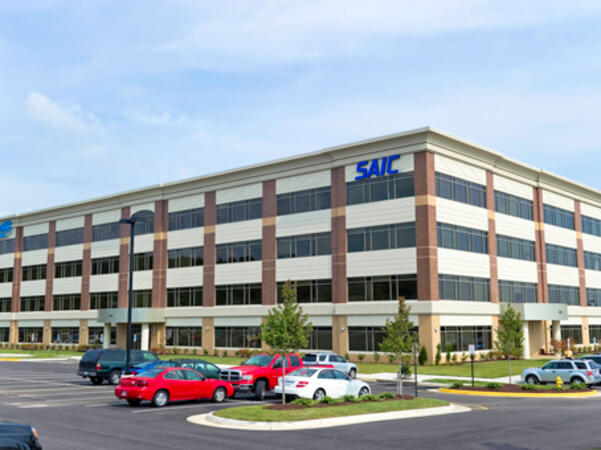
VA, Fredericksburg - Central Park Corporate Center
1320 Central Park Blvd., Suite 200, Fredericksburg, united states, 22401
The venue is located behind a complex of commercial buildings with the Bank of America just on the corner before the turn leading to the office.

VA, Richmond - Two Paragon Place
Two Paragon Place, 6802 Paragon Place Suite 410, Richmond, United States, 23230

The venue is located in bustling Richmond with Hampton Inn, Embassy Suites and Westin Hotel less than a mile away.
VA, Reston - Sunrise Valley
12020 Sunrise Valley Dr #100, Reston, United States, 20191

The venue is located just behind the NCRA and Reston Plaza Cafe building and just next door to the United Healthcare building.
VA, Reston - Reston Town Center I
11921 Freedom Dr #550, Reston, united states, 20190

The venue is located in the Reston Town Center, near Chico's and the Artinsights Gallery of Film and Contemporary Art.
VA, Richmond - Sun Trust Center Downtown
919 E Main St, Richmond , united states, 23219
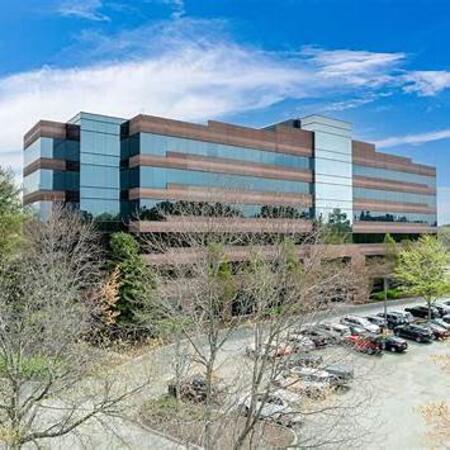
The venue is located in the Sun Trust Center on the crossing of E Main Street and S to N 10th Street just opposite of 7 Eleven.
Richmond, VA – Regus at Two Paragon Place
6802 Paragon Place, Suite 410, Richmond, United States, 23230

The venue is located within the Two Paragon Place business campus off I‑295 and near Parham Road in North Richmond, offering convenient access by car with free on-site parking. Visitors arriving from Richmond International Airport (RIC), approximately 16 miles northwest, can expect a taxi or rideshare ride of around 20–25 minutes via I‑64 West and I‑295 North. Public transit is available via GRTC buses, with routes stopping along Parham Road and Quioccasin Road, just a short walk to the campus.
Virginia Beach, VA – Regus at Windwood Center
780 Lynnhaven Parkway, Suite 400, Virginia Beach, United States, 23452
The venue is situated within the Windwood Center along Lynnhaven Parkway, featuring modern concrete-and-glass architecture and ample on-site parking. Easily accessible by car via Interstate 264 and the Virginia Beach Expressway, the facility offers a hassle-free commute. From Norfolk International Airport (ORF), located about 12 miles northwest, a taxi or rideshare typically takes 20–25 minutes via VA‑168 South and Edenvale Road. For those using public transit, the HRT bus system includes stops at Lynnhaven Parkway and surrounding streets, providing convenient access by bus.
This instructor-led, live training in Virginia (online or onsite) is designed for intermediate-level engineers and designers who wish to utilize Design for Six Sigma (DFSS) to ensure quality is integrated into the product or process from the initial design phase.
By the end of this training, participants will be able to:
- Understand the principles and concepts of Design for Six Sigma (DFSS).
- Learn the DMAIC (Define, Measure, Analyze, Improve, Control) and DMADV (Define, Measure, Analyze, Design, Verify) methodologies.
- Apply DFSS tools and techniques to design and optimize processes.
- Develop the skills necessary to manage and lead DFSS projects effectively for government applications.
This instructor-led, live training (online or onsite) is aimed at advanced-level professionals who wish to gain an in-depth understanding of the Six Sigma DMAIC methodology at a Black Belt level for government.
By the end of this training, participants will be able to:
- Develop a comprehensive understanding of the Define, Measure, Analyze, Improve, and Control phases with a focus on complex projects.
- Gain expertise in advanced statistical analysis techniques for data-driven decision-making.
- Lead large-scale Six Sigma projects and manage project teams effectively within public sector environments.
- Implement significant process improvements that align with organizational goals and strategies for government.
This instructor-led, live training in Virginia (online or onsite) is aimed at intermediate-level professionals who wish to gain a comprehensive understanding of the DMAIC methodology and prepare for the role of effective Six Sigma Green Belts for government.
By the end of this training, participants will be able to:
- Acquire a thorough knowledge of the Define, Measure, Analyze, Improve, and Control phases of Six Sigma.
- Apply a wide range of Six Sigma tools and techniques effectively within each phase of DMAIC.
- Conduct and interpret statistical analyses for process improvement.
- Plan, execute, and manage a Six Sigma project.
This instructor-led, live training (online or onsite) is designed for beginner-level professionals who seek a foundational understanding of Six Sigma and Lean principles to integrate these methodologies and enhance business processes.
By the end of this training, participants will be able to:
- Gain a comprehensive understanding of Lean Six Sigma principles.
- Apply Six Sigma methodologies to improve process quality by eliminating the causes of defects and reducing variability.
- Combine Lean and Six Sigma techniques to achieve more efficient and effective process improvements.
- Teach basic Lean Six Sigma tools and techniques that Yellow Belts can use in process improvement projects, such as 5S, Kaizen, and process mapping, specifically tailored for government applications.
This instructor-led, live training (conducted either online or onsite) is designed for intermediate-level professionals who aim to understand both Six Sigma and Lean principles in order to lead significant process improvement initiatives within their organizations.
By the end of this training, participants will be able to:
- Develop a comprehensive understanding of how Lean and Six Sigma methodologies can be integrated for effective process improvement.
- Gain in-depth knowledge and application skills in the Define, Measure, Analyze, Improve, and Control (DMAIC) phases.
- Apply advanced statistical tools for data-driven decision-making and process analysis.
- Lead and manage Lean Six Sigma projects effectively, ensuring alignment with public sector workflows and governance standards for government.
This instructor-led, live training in Virginia (online or onsite) is designed for advanced-level professionals who wish to acquire the skills necessary to manage complex Six Sigma projects and assume leadership roles in Six Sigma and Lean implementations.
By the end of this training, participants will be able to:
- Gain a comprehensive understanding of advanced Six Sigma and Lean methodologies and tools.
- Lead intricate process improvement initiatives that are aligned with organizational strategies.
- Conduct sophisticated statistical analyses and make decisions based on data.
- Effectively spearhead change efforts and foster a culture of continuous improvement for government.
This instructor-led, live training in [location] (online or onsite) is designed for government professionals at the beginner level who wish to deepen their understanding of the Six Sigma methodology and its principles, as well as master the DMAIC process.
By the end of this training, participants will be able to:
- Gain a comprehensive knowledge that extends beyond the basic principles covered in the White Belt course.
- Master the DMAIC process and learn advanced Six Sigma tools.
- Effectively contribute to a Six Sigma project team and collaborate with Green and Black Belts.
- Apply Six Sigma methodologies to real-world business processes for government improvement.
This instructor-led, live training (available online or onsite) is designed for beginner-level professionals who wish to gain a foundational understanding of the Six Sigma methodology and its core principles.
By the end of this training, participants will be able to:
- Comprehend the fundamentals of Six Sigma and the DMAIC process.
- Understand the specific roles and responsibilities of a White Belt in the context of a Six Sigma project for government.
- Apply Six Sigma principles to identify improvement opportunities and support Six Sigma projects within an organization.
This instructor-led, live training (conducted online or onsite) is designed for government scientists who wish to learn and apply the Design of Experiments (DoE) methodology to understand the cause-and-effect relationships between multiple factors.
By the end of this training, participants will be able to:
- Recognize the benefits of designed experiments compared to other approaches.
- Comprehend the cause-and-effect relationships and interactions between variables.
- Master best practices and guidelines for conducting successful experimentation for government projects.
This instructor-led, live training in [location] (online or onsite) is aimed at individuals who wish to learn and master the fundamentals of econometric analysis and modeling for government.
By the end of this training, participants will be able to:
- Understand and apply the core principles of econometrics.
- Utilize Eviews and risk simulation tools effectively.
R is a widely used, open-source environment for statistical computing, data analytics, and graphical representation. This course introduces the R programming language to participants, covering language fundamentals, libraries, and advanced concepts. It includes advanced data analytics and graphing techniques using real-world data.
This training is designed for analysts, researchers, scientists, graduates, students, and any other individuals interested in enhancing their ability to conduct statistical analysis using Microsoft Excel.
Course Objectives
The course aims to enhance your proficiency with Excel and statistical methods, thereby improving the effectiveness and efficiency of your work or research. Participants will learn how to utilize the Analysis ToolPak in Microsoft Excel, understand various statistical functions, and perform fundamental statistical procedures.
Additionally, the course will address the limitations of Excel and provide strategies for overcoming these constraints, ensuring that users can leverage Excel more effectively for government and other critical tasks.
Data analytics is a critical tool in the public sector today. This course will focus on developing practical, hands-on skills for government data analysis. The aim is to equip participants with the ability to provide evidence-based answers to key questions:
What has happened?
processing and analyzing data
creating informative data visualizations
What will happen?
forecasting future performance for government operations
evaluating the accuracy of forecasts
What should happen?
transforming data into evidence-based decisions for government
It is estimated that unstructured data accounts for more than 90 percent of all data, much of it in the form of text. Blog posts, tweets, social media, and other digital publications continuously contribute to this growing body of data.
This instructor-led, live course focuses on extracting insights and meaning from this data. Utilizing the R Language and Natural Language Processing (NLP) libraries, we combine concepts and techniques from computer science, artificial intelligence, and computational linguistics to algorithmically understand the meaning behind text data. Data samples are available in various languages per customer requirements.
By the end of this training, participants will be able to prepare data sets (large and small) from disparate sources, then apply the right algorithms to analyze and report on their significance, enhancing decision-making processes for government.
Format of the Course
Part lecture, part discussion, heavy hands-on practice, occasional tests to gauge understanding
R is a widely used programming language in the financial sector. It is applied in various financial applications, from core trading systems to risk management frameworks.
In this instructor-led, live training, participants will learn how to leverage R to develop practical applications for addressing specific finance-related challenges.
By the end of this training, participants will be able to:
Comprehend the foundational principles of the R programming language
Select and utilize R packages and techniques to organize, visualize, and analyze financial data from multiple sources (CSV, Excel, databases, web, etc.)
Create applications that address issues related to asset allocation, risk analysis, investment performance, and more
Diagnose, integrate, deploy, and optimize an R application for government use
Audience
Developers
Analysts
Quants
Format of the course
Part lecture, part discussion, exercises, and extensive hands-on practice
Note
This training is designed to provide solutions for key challenges faced by finance professionals. If you have specific topics, tools, or techniques that you would like to add or delve deeper into, please contact us to arrange.
This instructor-led, live training (online or onsite) is designed for HR professionals who aim to utilize analytical methods to enhance organizational performance. The course encompasses both qualitative and quantitative approaches, including empirical and statistical methodologies.
**Format of the Course**
- Interactive lectures and discussions.
- Extensive exercises and practical applications.
**Course Customization Options**
- To request a customized training for government or other specific needs, please contact us to arrange.
Mastering the skills to work independently with the program SPSS for government, including advanced use of dialog boxes and command language syntax for selected analytical techniques.
The Addressees:
Analysts, researchers, scientists, students, and all those who wish to acquire the ability to use the SPSS package at an advanced level and learn selected statistical models. This training addresses universal analysis problems and is dedicated to a specific industry.
This course is designed for IT specialists seeking solutions to store and process large data sets in a distributed system environment, specifically tailored for government.
Goal:
To provide deep knowledge on Hadoop cluster administration for government.
This instructor-led, live training in Virginia (online or onsite) is aimed at intermediate-level data scientists and statisticians who wish to prepare data, build models, and apply machine learning techniques effectively for government and other professional domains.
By the end of this training, participants will be able to:
Understand and implement various Machine Learning algorithms for government use cases.
Prepare data and models for machine learning applications in a public sector context.
Conduct post hoc analyses and visualize results effectively for government reporting.
Apply machine learning techniques to real-world, sector-specific scenarios, including those relevant to government operations.
Big Data refers to technologies and solutions designed for storing and processing extensive data sets. Initially developed by Google, these Big Data solutions have since advanced and inspired numerous similar initiatives, many of which are now available as open-source projects. The programming language R is widely used in the financial sector and can also be leveraged for government applications to enhance data analysis and decision-making processes.
R is an open-source programming language designed for statistical computing, data analysis, and graphical representation. It is increasingly adopted by managers and data analysts in both the corporate and academic sectors. Additionally, R has gained traction among statisticians, engineers, and scientists who may not have formal computer programming skills, due to its user-friendly nature. The growing popularity of R is largely attributed to the expanding use of data mining for various objectives, including setting advertising prices, accelerating drug discovery, and refining financial models. R offers a comprehensive array of packages specifically tailored for data mining applications, making it a valuable tool for government and other sectors that rely on robust data analysis.
This instructor-led, live training (online or onsite) is designed for beginner-level professionals who wish to gain a comprehensive understanding of the fundamentals of R and how to work with data for government applications.
By the end of this training, participants will be able to:
- Understand the R programming environment and the RStudio interface.
- Import, manipulate, and explore datasets using R commands and packages.
- Perform basic statistical analysis and data summarization.
- Generate visualizations using both base R and ggplot2.
- Manage workspaces, scripts, and packages effectively for government use.
R is an open-source programming language designed for statistical computing, data analysis, and graphical representation. It is increasingly utilized by managers and data analysts in both the corporate sector and academic institutions. R offers a broad range of packages that facilitate data mining, making it a valuable tool for government and other public sector applications.
This course is designed for individuals who already possess a background in data science and statistics. The content is structured to serve as a refresher for those familiar with these concepts or to provide further insight to professionals with a relevant foundation. This approach ensures that the material aligns effectively with the needs of participants, enhancing their capabilities for government and other sectors requiring advanced analytical skills.
This course is designed to offer a thorough introduction to Minitab, a robust statistical software package widely utilized for data analysis and quality improvement. Participants will gain the skills necessary to import, manipulate, and analyze data effectively. Additionally, they will learn how to create basic graphical displays of data. Upon completion of the course, participants will be proficient in using Minitab to conduct fundamental statistical analyses, including hypothesis testing and confidence intervals, which are essential for government and other organizational workflows.
This course is designed for government business owners, including marketing managers, product managers, and customer base managers, along with their teams; it also caters to customer insights professionals.
Overview
The course follows the customer lifecycle from acquiring new customers to managing existing customers for profitability, retaining valuable customers, and understanding which customers are leaving and why. We will be working with real (if anonymized) data from a variety of sectors including telecommunications, insurance, media, and high tech, tailored to provide insights relevant for government.
Format
The course is instructor-led over five half-day sessions, incorporating in-class exercises as well as homework assignments. It can be delivered either in a classroom setting or through distance (online) learning, ensuring flexibility and accessibility for government participants.
This course is designed for individuals interested in statistical analysis, particularly for government applications. It offers a comprehensive introduction to using Minitab, enhancing the effectiveness and efficiency of data analysis while improving participants' understanding of statistical methods.
R is an open-source programming language designed for statistical computing, data analysis, and graphics. It is increasingly utilized by managers and data analysts in both the corporate and academic sectors. R offers a comprehensive array of packages for data mining, making it a valuable tool for government and other public sector workflows.
In this instructor-led, live training, participants will learn advanced techniques for Machine Learning with R as they develop a real-world application.
By the end of this training, participants will be able to:
- Understand and implement unsupervised learning techniques.
- Apply clustering and classification methods to make predictions based on real-world data.
- Visualize data to quickly gain insights, make decisions, and further refine analysis.
- Improve the performance of a machine learning model using hyper-parameter tuning.
- Deploy a model into production for use in a larger application.
- Apply advanced machine learning techniques to address questions involving social network data, big data, and more, ensuring alignment with public sector workflows and governance for government.
R is an open-source programming language designed for statistical computing, data analysis, and graphical representation. It is increasingly utilized by managers and data analysts in both the public and private sectors, including academia. R has also gained traction among statisticians, engineers, and scientists who may not have formal computer programming skills due to its user-friendly nature. The growing popularity of R can be attributed to its effectiveness in data mining for a range of objectives, such as optimizing advertising prices, accelerating drug discovery, and refining financial models. R offers a comprehensive array of packages that support robust data mining capabilities, making it a valuable tool for government and other organizations seeking to enhance their analytical processes.
R is an open-source programming language designed for statistical computing, data analysis, and graphical representation. It is increasingly adopted by managers and data analysts in both the public and private sectors, including academia. R has also gained popularity among statisticians, engineers, and scientists who may not have extensive computer programming skills due to its user-friendly nature. The rising demand for data mining across various fields, such as setting advertisement prices, accelerating drug discovery, or refining financial models, has contributed to R's growing use. R offers a comprehensive array of packages specifically tailored for data mining, enhancing its utility and versatility for government and other organizational needs.
This course provides an introduction to utilizing neural networks for solving real-world problems with R-project software. It is designed to equip participants with the skills necessary to apply these advanced techniques effectively and efficiently, particularly in contexts relevant to government operations and data analysis.
This course is designed for data scientists and statisticians who already possess fundamental R and C++ coding skills and are looking to enhance their advanced R programming abilities.
The objective is to provide a practical, advanced R programming course for participants interested in applying these methods in their professional roles. Sector-specific examples are utilized to ensure the training is pertinent to the audience, aligning with the needs of professionals working in various fields, including those for government.
Shiny is an open-source R package that offers a web framework for developing interactive web applications using R.
This instructor-led, live training is designed to equip participants with the skills needed to integrate data science and web development using Shiny, R, and HTML.
By the end of this training, participants will be able to:
Construct interactive web applications with R using Shiny
Audience
Data scientists
Web developers
Statisticians
Format of the course
The course combines lectures, discussions, and practical exercises with extensive hands-on practice to ensure a comprehensive learning experience.
This training is tailored to support public sector workflows, governance, and accountability for government professionals seeking to enhance their data visualization capabilities.
This instructor-led, live training in [location] (online or onsite) is designed for government professionals at the beginner to intermediate level who wish to perform statistical analysis using SPSS to interpret data accurately, run complex statistical tests, and generate meaningful insights.
By the end of this training, participants will be able to:
- Navigate the SPSS interface and manage datasets efficiently.
- Perform descriptive and inferential statistical analyses.
- Conduct t-tests, ANOVA, MANOVA, regression, and correlation analyses.
- Apply non-parametric tests, principal component analysis, and factor analysis for advanced data interpretation.
This training is tailored to enhance the analytical capabilities of professionals working in government roles, ensuring they can effectively utilize SPSS for government-related data analysis.
This instructor-led, live training (available online or on-site) is designed for government analysts, researchers, and professionals at the beginner to intermediate level. Participants will learn to utilize SPSS for data preparation, statistical analysis, and predictive modeling, enhancing their capabilities in data-driven decision-making for government operations.
This course has been designed for government decision makers whose primary objective is not to perform calculations and analyses but to understand these processes thoroughly. Participants will learn to select appropriate statistical methods that are relevant to the strategic planning of their organizations.
For instance, a prospective participant may need to decide how many samples should be collected before determining whether to launch a product or policy initiative.
If you require a more comprehensive course that covers the foundational aspects of statistical thinking, please consider our 5-day "Statistics for Government Managers" training.
This course has been developed for individuals who need essential statistics skills. It can be customized to suit various fields of specialization, such as market research, biology, manufacturing, and public sector research for government.
This training course covers advanced statistics and provides comprehensive explanations of the tools commonly utilized in research, analysis, and forecasting. It offers concise insights into the theoretical foundations behind these statistical methods.
The course is designed to be broadly applicable and can be customized for government participants if all attendees share a similar background and objectives.
Participants will utilize basic computer tools during the training, including Excel and OpenOffice, to enhance their understanding and practical application of statistical techniques.
This course aims to provide researchers with an understanding of the principles of statistical design and analysis and their relevance to research in various scientific disciplines for government.
It covers probability and statistical methods primarily through practical examples. The training consists of approximately 30% lectures and 70% guided quizzes and labs.
For closed courses, the examples and materials can be tailored to a specific branch, such as psychology tests, public sector applications, biology, genetics, and more.
In the case of public courses, a mix of examples is used to cater to a diverse audience.
Although various software tools are utilized during the course (such as Microsoft Excel, SPSS, Statgraphics, etc.), the primary focus is on understanding the principles and processes that guide research, reasoning, and conclusion.
This course can also be delivered in a blended format, incorporating homework and assignments to enhance learning.
**Audience**
**Format of the Course**
By the end of this training, participants will be able to:
In this instructor-led, live training, participants will learn how to manipulate and visualize data using the tools included in the Tidyverse. The Tidyverse is a collection of versatile R packages designed for cleaning, processing, modeling, and visualizing data. Key packages include ggplot2, dplyr, tidyr, readr, purrr, and tibble.
- **Target Audience:**
- Beginners to the R language
- Beginners to data analysis and data visualization
- **Course Format:**
- Part lecture, part discussion, exercises, and extensive hands-on practice
- **Learning Objectives:**
- Perform data analysis and create compelling visualizations
- Draw meaningful conclusions from various datasets of sample data
- Filter, sort, and summarize data to answer exploratory questions
- Transform processed data into informative line plots, bar plots, and histograms
- Import and filter data from a variety of sources, including Excel, CSV, and SPSS files
This training is designed to equip participants with the skills necessary for effective data manipulation and visualization, aligning with the needs and standards required for government data analysis.
This course is designed to equip R users with the skills needed to develop web applications without requiring a deep understanding of cross-browser HTML, JavaScript, and CSS.
Objective:
The course provides an overview of how Shiny apps function, ensuring participants understand the foundational concepts.
It covers all commonly used input, output, rendering, and paneling functions from the Shiny library, enabling users to create effective web applications for government use.
This instructor-led, live training in Virginia (online or onsite) is aimed at intermediate-level data analysts and business professionals who wish to perform time series forecasting and automate data analysis workflows using R for government.
By the end of this training, participants will be able to:
Understand the fundamentals of forecasting techniques in R.
Apply exponential smoothing and ARIMA models for time series analysis.
Utilize the ‘forecast’ package to generate accurate forecasting models.
Automate forecasting workflows for business and research applications.
R is an open-source programming language designed for statistical computing, data analysis, and generating graphics. It is increasingly utilized by managers and data analysts in both corporate and academic environments. R has also gained traction among statisticians, engineers, and scientists who may lack formal computer programming skills due to its user-friendly nature. The growing popularity of R can be attributed to the expanding use of data mining for various objectives, such as setting advertisement prices, accelerating drug discovery, or refining financial models. R offers a broad range of packages tailored for data mining applications.
This course provides comprehensive instruction on manipulating objects in R, including reading data, accessing R packages, writing R functions, and creating informative graphs. It covers the analysis of data using common statistical models. Participants will learn to use the R software (https://www.r-project.org) both through command-line interfaces and graphical user interfaces (GUIs). This training is designed to enhance data analysis capabilities for government and other public sector workflows, ensuring alignment with governance and accountability standards.
Read more...
Last Updated:
Testimonials (25)
trainer knowledge
SUNEEL jee - House of Spices India
Course - Six Sigma LEAN Yellow Belt
a multitude of points
Joanna - Instytut Ekonomiki Rolnictwa i Gospodarki Zywnosciowej-PIB
Course - Statistical Analysis with Stata and R
The variation with exercise and showing.
Ida Sjoberg - Swedish National Debt Office
Course - Econometrics: Eviews and Risk Simulator
it was informative and useful
Brenton - Lotterywest
Course - Building Web Applications in R with Shiny
Many examples and exercises related to the topic of the training.
Tomasz - Ministerstwo Zdrowia
Course - Advanced R Programming
the trainer had patience, and was eager to make sure we all understood the topics, the classes were fun to attend
Mamonyane Taoana - Road Safety Department
Course - Statistical Analysis using SPSS
Weronika created a really friendly, informal atmosphere. The training involved a lot of useful knowledge transfer, technical skills exercises and theory, as well as best practices and guidance on how to handle our own data.
Julia Kuczma - DLA Piper GSC Poland Sp. z o.o.
Course - Tableau Intermediate Training Course
Day 1 and Day 2 were really straight forward for me and really enjoyed that experience.
Mareca Sithole - Africa Health Research Institute
Course - R Fundamentals
The tips for many of the functions that the trainer presented, which we can easily remember and implement in our future work
Emilija Stoilova - EPFL HBP PCO
Course - Analysing Financial Data in Excel
The fact he had dif excel and data sheets with exercises for us to do.
Deepakie Singh Sodhi - Queens College, CUNY
Course - Excel For Statistical Data Analysis
that i was getting my all answers and knowledge i want.
Ismail Ahli - Dubai Civil Aviation Authority
Course - R for Statistical Analysis
I genuinely enjoyed the hands passed exercises.
Yunfa Zhu - Environmental and Climate Change Canada
Course - Foundation R
The pace was just right and the relaxed atmosphere made candidates feel at ease to ask questions.
Rhian Hughes - Public Health Wales NHS Trust
Course - Introduction to Data Visualization with Tidyverse and R
The fact that we had the time to cover some useful extras.
Alina Vishniakova - TUI Business Services GmbH
Course - Statistics Level 1
the matter was well presented and in an orderly manner.
Marylin Houle - Ivanhoe Cambridge
Course - Introduction to R with Time Series Analysis
It was very informative and professionally held. Wojteks knowledge level was so advanced that he could basically answer any question and he was willing to put effort into fitting the training to my personal needs.
Sonja Steiner - BearingPoint GmbH
Course - R Programming for Data Analysis
I really enjoyed the knowledge of the trainer.
Stephanie Seiermann
Course - R
Michael the trainer is very knowledgeable and skillful about the subject of Big Data and R. He is very flexible and quickly customize the training meeting clients' need. He is also very capable to solve technical and subject matter problems on the go. Fantastic and professional training!.
Xiaoyuan Geng - Ottawa Research and Development Center, Science Technology Branch, Agriculture and Agri-Food Canada
Course - Programming with Big Data in R
A lot of knowledge - theoretical and practical.
Anna Alechno
Course - Forecasting with R
I enjoyed the Excel sheets provided having the exercises with examples. This meant that if Tamil was held up helping other people, I could crack on with the next parts.
Luke Pontin
Course - Data and Analytics - from the ground up
The flexible and friendly style. Learning exactly what was useful and relevant for me.
Jenny
Course - Advanced R
I genuinely was benefit from the flexibility of the trainer.
Irina Ostapenko
Course - Statistics Level 2
I liked the new insights in deep machine learning.
Josip Arneric
Course - Neural Network in R
I mostly liked the trainer giving real live Examples.
Online Statistics training in Virginia, Statistics training courses in Virginia, Weekend Statistics courses in Virginia, Evening Statistics training in Virginia, Statistics instructor-led in Virginia, Statistics classes in Virginia, Statistics instructor in Virginia, Statistics private courses in Virginia, Online Statistics training in Virginia, Statistics boot camp in Virginia, Statistics trainer in Virginia, Statistics on-site in Virginia, Statistics instructor-led in Virginia, Statistics coaching in Virginia, Weekend Statistics training in Virginia, Evening Statistics courses in Virginia, Statistics one on one training in Virginia