Instructor-led, live soft skills training—also known as people skills, interpersonal skills, social skills, and transferable skills—is designed to enhance the understanding of human dynamics within a business environment. Through discussions and practical exercises, participants learn how to apply these techniques, habits, and mindsets to improve both professional relationships and business outcomes, while fostering a more fulfilling work and life experience.
Soft skills training is offered in two formats: "online live training" or "onsite live training." Onsite live training can be conducted either at the client's premises in Virginia or at NobleProg’s corporate training centers in Virginia. This training is tailored to meet the specific needs of organizations and individuals, ensuring alignment with public sector workflows, governance, and accountability for government.
VA, Stafford - Quantico Corporate
800 Corporate Drive, Suite 301, Stafford, united states, 22554
The venue is located between interstate 95 and the Jefferson Davis Highway, in the vicinity of the Courtyard by Mariott Stafford Quantico and the UMUC Quantico Cororate Center.
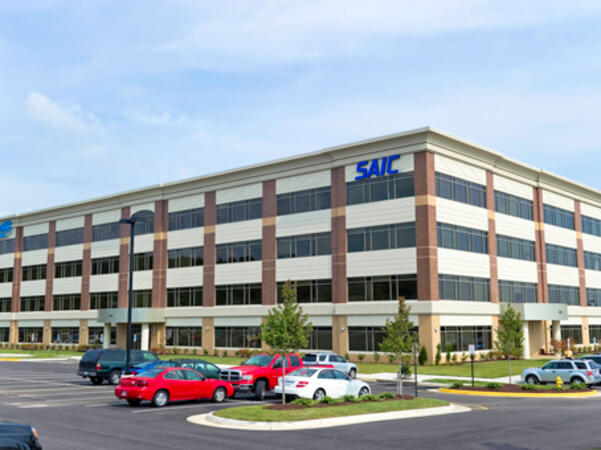
VA, Fredericksburg - Central Park Corporate Center
1320 Central Park Blvd., Suite 200, Fredericksburg, united states, 22401
The venue is located behind a complex of commercial buildings with the Bank of America just on the corner before the turn leading to the office.

VA, Richmond - Two Paragon Place
Two Paragon Place, 6802 Paragon Place Suite 410, Richmond, United States, 23230

The venue is located in bustling Richmond with Hampton Inn, Embassy Suites and Westin Hotel less than a mile away.
VA, Reston - Sunrise Valley
12020 Sunrise Valley Dr #100, Reston, United States, 20191

The venue is located just behind the NCRA and Reston Plaza Cafe building and just next door to the United Healthcare building.
VA, Reston - Reston Town Center I
11921 Freedom Dr #550, Reston, united states, 20190

The venue is located in the Reston Town Center, near Chico's and the Artinsights Gallery of Film and Contemporary Art.
VA, Richmond - Sun Trust Center Downtown
919 E Main St, Richmond , united states, 23219

The venue is located in the Sun Trust Center on the crossing of E Main Street and S to N 10th Street just opposite of 7 Eleven.
Richmond, VA – Regus at Two Paragon Place
6802 Paragon Place, Suite 410, Richmond, United States, 23230

The venue is located within the Two Paragon Place business campus off I‑295 and near Parham Road in North Richmond, offering convenient access by car with free on-site parking. Visitors arriving from Richmond International Airport (RIC), approximately 16 miles northwest, can expect a taxi or rideshare ride of around 20–25 minutes via I‑64 West and I‑295 North. Public transit is available via GRTC buses, with routes stopping along Parham Road and Quioccasin Road, just a short walk to the campus.
Virginia Beach, VA – Regus at Windwood Center
780 Lynnhaven Parkway, Suite 400, Virginia Beach, United States, 23452
The venue is situated within the Windwood Center along Lynnhaven Parkway, featuring modern concrete-and-glass architecture and ample on-site parking. Easily accessible by car via Interstate 264 and the Virginia Beach Expressway, the facility offers a hassle-free commute. From Norfolk International Airport (ORF), located about 12 miles northwest, a taxi or rideshare typically takes 20–25 minutes via VA‑168 South and Edenvale Road. For those using public transit, the HRT bus system includes stops at Lynnhaven Parkway and surrounding streets, providing convenient access by bus.
This instructor-led, live training (available online or onsite) is designed for government office managers at the beginner level who wish to acquire knowledge and skills in filing techniques and documentation management for government.
By the end of this training, participants will be able to:
- Understand the principles of effective filing systems for government.
- Learn techniques for managing and controlling both physical and electronic documents within a public sector context.
- Develop skills in creating, maintaining, and archiving records in compliance with government standards.
- Apply best practices for documentation management to enhance organizational efficiency and accountability in government operations.
This instructor-led, live training (available online or onsite) is designed for government professionals at a beginner level who wish to explore fundamental ethical theories, develop ethical decision-making skills, and understand the role of protocol in maintaining integrity and professionalism.
By the end of this training, participants will be able to:
- Understand fundamental ethical theories and principles.
- Develop skills for making ethical decisions.
- Recognize the importance of protocol in professional settings.
- Learn to navigate ethical dilemmas and conflicts of interest.
- Understand the role of ethics and protocol in various industries, including those relevant to government operations.
This instructor-led, live training in Virginia (online or onsite) is aimed at hospitality staff with beginner-to-intermediate experience who wish to enhance their skills for providing excellent service for government and public sector settings.
By the end of this training, participants will be able to:
Acquire knowledge and skills in formal etiquette, focusing on hosting, dining, and serving protocols.
Understand the rationale behind serving protocols, enabling staff to execute these guidelines proficiently and consistently.
Improve customer service quality by strengthening communication and interpersonal skills for better interaction with guests.
Recognize and respect diverse cultural etiquettes and sensitivities, ensuring appropriate and respectful service to all guests.
Handle unexpected situations and guest requests professionally and efficiently, maintaining high standards of service for government and public sector environments.
This instructor-led, live training (online or onsite) is designed for government professionals and managers at the beginner to intermediate level who wish to enhance their critical thinking, decision-making, and problem-solving capabilities in both personal and professional contexts.
By the end of this training, participants will be able to:
- Identify biases and logical fallacies in reasoning.
- Apply critical thinking techniques to real-world scenarios for government.
- Improve decision-making processes through structured analysis.
- Enhance problem-solving strategies for complex situations.
This instructor-led, live workshop in Virginia (online or onsite) is designed for government business professionals who seek to integrate mindfulness into their work environment to enhance productivity, leadership, and well-being.
By the end of this training, participants will be able to:
Comprehend the scientific principles underlying mindfulness.
Cultivate self-awareness to improve decision-making and leadership capabilities.
Enhance concentration, productivity, and emotional intelligence.
Effectively manage workplace stress, uncertainty, and high-pressure situations.
Promote a positive and collaborative work culture.
Utilize mindfulness techniques to boost creativity and problem-solving skills.
This instructor-led, live training in [location] (online or onsite) is aimed at intermediate to advanced-level professionals in commercial management who wish to enhance their interpersonal and decision-making skills for improved business outcomes.
By the end of this training, participants will be able to:
- Enhance customer interactions through proactive anticipation, assertive communication, and thorough market knowledge.
- Strengthen teamwork, adaptability, and problem-solving capabilities.
- Develop effective decision-making processes, disciplined execution, and delegation techniques.
- Improve negotiation strategies, innovation practices, and change management skills.
This training is designed to align with the needs of professionals in various sectors, including those for government, ensuring that participants are well-equipped to meet the challenges of their roles.
The Stress Management and Resilience program is a practical initiative designed to equip participants with evidence-based techniques and reflective practices to effectively manage personal stressors, enhance adaptability, and foster greater openness to change and feedback.
This instructor-led, live training (available both online and in-person) is tailored for beginner-level participants who seek hands-on tools for stress management, reflective activities, and resilience-building to improve their performance at work and better support their colleagues.
Upon completing this program, participants will be able to:
Apply straightforward, evidence-based methods to alleviate acute stress and enhance daily well-being.
Utilize practical strategies to address personal issues (such as health or financial concerns) that impact work performance.
Engage in reflective activities and experiential exercises that promote openness to change and feedback.
Develop a personalized resilience action plan with specific next steps and coping mechanisms.
Format of the Course
Brief interactive sessions that integrate theoretical knowledge with practical application.
Experiential activities, guided reflections, and short role-playing exercises.
Action planning and take-home practices to be completed between sessions.
Course Customization Options
The content can be tailored for government, different team cultures, stress triggers, or organizational contexts.
A highly participatory course involving individual and group discussions and skills practice, enabling participants to share ideas and enhance their skill levels.
Audience
This course is designed for anyone looking to improve their assertiveness skills within a professional setting.
Aim
The aim of this course is to boost confidence and increase the ability of participants to communicate confidently and assertively with colleagues and customers, enhancing overall effectiveness in the workplace.
Objectives
By the end of the program, participants will:
Understand and overcome barriers to assertiveness
Identify behavioral traits in themselves and others and learn effective strategies for managing these behaviors
Communicate effectively with a diverse range of individuals to achieve mutually beneficial outcomes whenever possible
Manage difficult situations with proficiency, ensuring positive outcomes
This course is tailored to align with the needs of public sector employees, providing them with the tools necessary for government service excellence.
The training program aims to review and enhance the competencies necessary for achieving organizational objectives, both individually and as part of a team. This will be achieved through the acquisition of skills by participants, including:
Developing an effective communication style with colleagues
Analyzing common barriers to communication and employing active techniques to mitigate them
Building supportive interpersonal relationships
Promoting effective teamwork
Understanding the mutual influence between team dynamics and unit performance
Mastery of various techniques for managing conflict
Adjusting attitudes and behaviors to model constructive approaches, such as adopting an assertive posture
Method of Work
The training is structured as an interactive experience, with participants actively engaging in over 80% of the session time. Each session follows a consistent format: opening exercises to build awareness, mini-lectures on key techniques and concepts, and hands-on practice of new tactics and techniques. At the conclusion of each session, participants receive support materials summarizing the topics discussed.
Practical material is supplemented with mini-lectures that provide theoretical foundations and fundamental psychological mechanisms relevant to the training exercises. This approach ensures a comprehensive understanding of the skills being developed for government applications.
This training is designed for individuals in the public sector who aim to effectively and efficiently manage conflict situations. It is intended for those who wish to enhance their skills in utilizing conflict constructively within team dynamics, with a focus on developing the ability to apply strategies, methods, and techniques of conflict management for government.
Benefits of Training Course:
This course will equip participants with the following benefits:
- Utilizing methods and techniques to resolve conflict situations
- Mastering effective conflict management
- Enhancing communication skills in conflict scenarios
- Skillfully preparing the analysis of the needs of conflict parties and formulating the problem
- Employing stress management, emotional regulation, and assertive techniques in conflict resolution
Skills Acquired During Training:
Effective communication in conflict situations
Identifying sources of conflict
Analyzing the needs of conflict parties and formulating the problem
Applying methods and techniques to resolve conflicts
Understanding the principles of assertiveness and managing emotions in conflict resolution
Implementing the principles of assertive resistance
Demonstrating appropriate behavior in conflict situations
Managing stress and emotional responses effectively
Training Method:
The training will be conducted through a combination of lectures, simulations, case studies, role-playing exercises, and providing feedback to participants.
This course is designed for government team leaders, managers at the start of their career paths, and high-potential employees selected for development. It serves as a foundational step in cultivating individual leadership roles and enhancing human resource management practices.
Benefits of Completion of the Course:
Completion of this course will enhance the efficiency of team management, improve decision-making related to managerial functions, ensure the appropriate selection of leadership styles based on team situations, promote business growth, strengthen conflict resolution skills, and develop effective time management techniques.
Training Method:
The training employs a variety of methods including short thematic lectures, individual exercises, simulations, case studies, and role plays to provide a comprehensive learning experience for government participants.
In an era of rapid automation, artificial intelligence, and digital transformation, it is not only our tools that are evolving; the way we think, interact, make decisions, and present ourselves at work is also changing.
To succeed in this new landscape, it is essential to develop and enhance the skills that distinguish human capabilities:
- Clear and grounded communication
- Critical and independent thinking
- Deep and trust-based collaboration
- Emotional resilience and presence
This high-impact workshop for government hybrid teams focuses on empowering participants to reclaim their voice, value, and confidence in a technology-enhanced environment — ensuring they can excel without needing to compete with machines.
This instructor-led, live training (available online or onsite) is designed for team leaders and middle managers in government agencies who aim to implement artificial intelligence (AI) solutions safely and effectively. The training emphasizes the human factors critical to success: trust, accountability, decision-making practices, and psychological safety.
By the end of this training, participants will be able to:
Determine appropriate scenarios for AI application and when not to use it (stop rules).
Validate AI outputs using practical standards (red flags, second source verification).
Establish accountability mechanisms and escalation protocols.
Develop team agreements and a 30-day adoption plan for government operations.
The two-day workshop is designed to equip technical and administrative professionals with enhanced analytical and creative thinking competencies for government. Participants will refine their left-brain and right-brain thinking skills, learning to apply them effectively in a variety of work-related scenarios. The workshop will familiarize attendees with numerous proven techniques and tools that can be utilized to analyze, correlate, justify, and draw conclusions from information.
This course provides a comprehensive and practical introduction to the phenomenon of burnout, one of the most pressing challenges in modern workplaces. Participants will explore the differences between stress and burnout, identify personal and professional risk factors, and learn how to recognize early signs of exhaustion—both in themselves and in others.
Through guided reflection, self-assessment tools, and group discussions, the program encourages participants to develop awareness, resilience, and personal coping strategies. It also emphasizes the role of organizations and leaders in creating a supportive environment that prevents burnout and promotes psychological well-being for government employees.
The session combines theory, self-diagnosis, and practical exercises to ensure that every participant leaves with a clear action plan for maintaining balance and energy in their professional life.
A customer care strategy plays a critical role in building customer satisfaction, helping organizations retain loyal customers and increase levels of repeat business. Through effective customer service, agencies can gain the client’s trust, enhance their image, and strengthen their competitive advantage in the market. This course focuses on strategies and skills for building lifelong customer relationships by developing valuable and effective customer-care strategies for government. Satisfied customers may, through conversations and story-telling, become voluntary advocates for your agency and are highly likely to recommend your services to others. This workshop will also help participants communicate effectively, appropriately, and clearly in all situations.
OBJECTIVES
Developing competencies in the area of professional customer care for government
Increasing the efficiency of communication with customers
Attaining the knowledge of how to understand the underlying needs and expectations of customers
Building strong and sustainable relationships with clients
Expanding the positive image of the agency in the market
Identifying, reducing, and overcoming objections and barriers
Learning about personalities and communication preferences when dealing with clients
Establishing the ability to create an open environment for communication
Developing skills to communicate clearly and effectively
Identifying barriers to effective communication
Mastering body language and non-verbal communication
METHODS
Role-playing
Self-assessment tests
Exercises in groups
Individual work
Practice sessions
Lectures
Discussions
LEARNING OUTCOMES
At the completion of this course, participants will be able to:
Adopt a focused customer care strategy for government
Identify key customer issues
Build the professional image of the agency
Adapt to specific customer behavior styles
Increase customer loyalty through exceptional customer service
Develop communication abilities with clients
Use techniques to build relationships
Develop a personal action plan to improve customer service skills
Show gestures of generosity and high-quality customer care
Use techniques to deal with difficult situations
Recognize barriers to the delivery of outstanding customer service
A Customer Care Course for government is designed to educate participants on the fundamentals of providing exceptional service and care to constituents. It emphasizes treating individuals with respect and kindness, building a meaningful connection, and ensuring their satisfaction and loyalty. These courses cover a range of topics, including communication skills, time management, de-escalation techniques, and best practices in public service. Through real-life examples and practical exercises, learners gain insights into effectively managing constituent inquiries, complaints, and feedback. The goal is to equip government employees with the necessary skills to deliver professional, helpful, and high-quality service across various interaction points, thereby enhancing the overall constituent experience.
Change management is a process aimed at effectively implementing change within an organization to achieve desired goals and adapt to changing environments. It requires understanding the reasons why change is necessary and identifying areas that need modification, as well as clearly defining the objectives and benefits that the change will bring. Change management is a dynamic process that demands flexibility, openness to feedback, and readiness to adjust strategies based on people's reactions and changing conditions. It is also crucial to recognize that changes are not always easy, which is why it is important to create a plan that takes into account both organizational goals and individual needs during the change process.
This interactive and practice-oriented course examines coaching and mentoring as critical processes for developing employees in the workplace. Participants will learn to differentiate between coaching and mentoring approaches, apply appropriate techniques for various contexts, and establish trusting, supportive relationships that foster both individual and organizational growth.
The program is designed for government managers, team leaders, HR professionals, and internal trainers, providing them with the frameworks and communication tools necessary to effectively guide others, promote autonomy, and contribute to a culture of continuous learning and accountability for government.
The training program is designed to provide practical experience in collaboration within a project team. From the perspective of modern cooperation models, participants will have the opportunity to learn about formulating and conveying information, establishing rules for collaboration, receiving and transferring work, as well as the importance of effective communication and motivation for team success. This training is tailored for individuals interested in developing competencies in managing a project team for government and other public sector environments. The program includes a comprehensive substantive component, interactive workshops, and practical examples.
As the pace of change accelerates with digital transformation and Business 3.0, organizational boundaries and alliances are continually evolving. To thrive in this new knowledge economy, teams and individuals must learn to resolve conflicts more effectively while maintaining long-term relationships. Unfortunately, most professionals receive minimal training in effective conflict resolution, often leading to situations where conflict is either avoided, handled passively-aggressively, or worse, resolved through bullying tactics.
This instructor-led, live training (onsite or remote) is designed for government executives, leaders, teams, and individuals who wish to master conflict resolution using practical, easy-to-follow yet highly effective models. By the conclusion of the course, participants will gain hands-on experience with 14 powerful tools that can help resolve conflicts while fostering positive workplace relationships.
By the end of this training, participants will be able to:
- Identify the five stages of effective conflict resolution.
- Establish protocols for addressing conflict proactively.
- Manage themselves positively during conflict situations.
- Utilize proven methods to resolve conflicts more efficiently.
- Rehearse conflict scenarios to achieve better outcomes.
- Learn from past conflicts to improve future approaches.
The program includes simulations, role-playing activities, and interactive workshops to provide the necessary practical experience. The course emphasizes engaging, interactive, visual, and analogy-based learning methods to help embed the models while maintaining a fast pace. Topics will range from buildings and emotions to preparing conflict resolutions, psychological theories, breathing techniques, and more.
**Format of the Course**
- Interactive lectures and discussions.
- Extensive exercises and practice sessions.
**Course Customization Options**
To request a customized training for government, please contact us to arrange.
Conflicts are a natural aspect of organizational life and, when managed effectively, can serve as catalysts for improvement, innovation, and stronger collaboration. This program is designed to help participants understand how conflicts arise, the dynamics that influence them, and methods for addressing them constructively.
Through a practical, discussion-based approach, participants will explore various types of conflict and styles, identify the underlying causes of tension, and learn techniques to manage expectations and communication during sensitive interactions. The course is structured to support real-world scenarios in the workplace, ensuring that the learning is immediately applicable in day-to-day operations for government.
Any personnel within an organization seeking to enhance their competencies in sales psychology, including attitude, knowledge, and skills.
Sales professionals and managers aiming to improve their sales capabilities.
Employees in sales or customer service roles involved in business-to-business (B2B) or business-to-consumer (B2C) sales processes.
Entrepreneurs engaged in the sale of services or products.
EDUCATIONAL OBJECTIVE OF THE TRAINING:
This training equips participants to manage the sales process, with a strong emphasis on practical skills at all critical stages. Attendees will learn how to influence both the customer's buying process and their own sales process at various stages. The overarching goal is to enhance sales skills, allowing participants to apply the knowledge gained during the course and improve key interpersonal skills for greater effectiveness in sales.
Educational Purpose of the Training
Participants will learn modern sales models, tools, and techniques applicable to B2B and B2C sales processes.
They will develop an effective sales strategy using learned models, tools, and techniques, and describe the sequence of key events in their sales process that have the greatest impact on outcomes.
Participants will elevate their key interpersonal skills to a higher level.
They will increase their effectiveness in sales.
Benefits of Attending the Training
Participants will practice the models, tools, and techniques learned, thereby enhancing their skills that have the most significant impact on sales results.
The Training Will Strengthen Your Knowledge in the Areas of:
Sales psychology
Building an effective strategy and sales processes
Managing yourself in all critical sales processes that have the greatest impact on your sales goals
The Training Will Strengthen Skills in the Following Areas:
Selecting appropriate sales models, tools, and techniques for different situational contexts
Increasing influence on sales outcomes
Building values and sales arguments
Selecting values and sales arguments that align with customer needs and goals
Designing the sales process to determine activities and behaviors that have the greatest impact on outcomes at different stages
Selecting sales arguments that result in a business case and return on investment
Diagnosing customer needs
Conducting sales conversations using developed sales arguments to effectively influence the customer's buying process
Managing customer objections
The Training Will Strengthen Competencies in:
Influencing the sales process with substantive arguments and business justification
Reading situational contexts and selecting appropriate models, tools, and techniques
Managing actions in key sales processes
After the Training, Participants Will:
Distinguish and understand specific conditions of customer behavior and actions at various stages of the sales process, enabling them to select appropriate actions and increase effectiveness.
Finalize sales conversations that ensure the satisfaction of both parties' needs.
Adopt a win-win attitude during sales to meet the goals and needs of both parties, fostering long-term customer relationships.
Actively listen to and understand customer positions and needs, effectively collaborating to develop a win-win agreement in the sales process.
Select appropriate sales arguments to address customer needs, problems, goals, business, and personal interests, deriving maximum return on investment for the customer.
Recognize and counteract customer pressure and manipulation.
Effectively manage customer objections.
Increase effectiveness at key stages of the sales process.
Manage actions effectively in main sales processes, thereby enhancing overall sales performance for government applications.
“Most hybrid teams are coordinating. Few are truly connecting.”
To address this challenge, we offer a proven experience designed to build Emotional and Cultural Intelligence across teams and generations for government. As workforces become more culturally diverse, emotionally complex, and physically distributed, traditional soft skills are no longer sufficient. This immersive program integrates Cultural Intelligence (CQ), Emotional Intelligence (EQ), and Hybrid Collaboration Design into a high-impact, experiential learning journey.
Equip your teams to thrive across time zones, mindsets, and cultural landscapes, ensuring effective collaboration and enhanced performance in the public sector.
This course is designed to enhance your ability to think strategically, equipping you with the skills necessary to approach complex situations, avoid biases, and make well-informed decisions swiftly and accurately. By exploring various thinking styles and common pitfalls in strategic thinking, you will gain a comprehensive understanding of how to apply these principles effectively in your professional activities for government.
The 5-day DesignThinkers Global Bootcamp offers a distinctive opportunity to learn from internationally recognized and highly experienced Service Design and Design Thinking practitioners. Under the guidance of our seasoned facilitators, participants will become acquainted with the divergent-convergent model of the Double Diamond and will reinforce their new Design Thinking mindset by applying it to a real-life project. This immersive experience is tailored to enhance skills and methodologies that are directly applicable to improving processes and services for government agencies.
The Finance for Non-Finance Managers training is a highly sought-after program designed for professionals in the public sector seeking a practical understanding of financial principles. This interactive one-day training offers a comprehensive overview of essential finance areas, supported by a detailed course guidebook and numerous worked examples to enhance learning. Participants will receive a certificate of completion upon finishing the program, ensuring they are well-equipped with the knowledge necessary for government financial management.
Organizations such as Pfizer, Hewlett Packard, Dell EMC, and VMware have utilized this program to cultivate a more balanced influencing approach and develop resilient, adaptive responses to workplace challenges. Whether your objective is to form high-performing teams, consistently secure contracts through expert pitching, successfully negotiate favorable terms, or systematically enhance shareholder value, this program offers the behavioral precision and strategic alignment necessary to achieve measurable outcomes for government.
Participants will advance beyond basic communication skills to master advanced influence strategies, learning to fine-tune their approach, navigate resistance, secure commitments, and amplify collaborative impact across complex organizational networks.
The Ishikawa Diagram, also known as the fishbone diagram or cause-and-effect diagram, is a tool developed by Kaoru Ishikawa. This diagram is used to visually represent potential causes of a specific event or problem, aiding in the systematic analysis of contributing factors. The structure of the diagram resembles the skeleton of a fish, hence its common name "fishbone." It is particularly valuable for government agencies and organizations engaged in product development and quality management processes, where identifying root causes is essential. The Ishikawa Diagram helps teams to brainstorm and categorize various causes, such as methods, machinery, materials, manpower, and environment, to effectively address quality or performance issues for government operations.
Effective procurement and negotiation of IT-related agreements are crucial for organizational success in the rapidly evolving information technology landscape. The IT Procurement and Contract Negotiation course is designed for professionals who need to develop the knowledge and skills required to manage and negotiate IT procurement contracts. Participants will gain an understanding of the procurement processes for hardware, software, and IT applications, as well as how to negotiate terms that align with their organization's strategic objectives, ensuring alignment with public sector workflows, governance, and accountability for government operations.
Cultural differences can have a significant impact on teamwork. Different cultures may prefer different communication styles, such as direct, indirect, expressive, or more evasive. This may lead to differences in the interpretation of messages. Gestures, tone of voice, and words used can have different meanings in different cultures. Something that is acceptable in one culture may be offensive in another. Different cultures may have different approaches to hierarchy in the workplace. Some cultures may be more hierarchical, where decisions are made by people higher up in the hierarchy. Cultures differ in their approach to working time and deadlines. Some cultures may value punctuality more, while others may be more flexible. Different cultures may have different approaches to conflict. Some cultures may avoid confrontation, while others may prefer open conflict resolution. In some cultures, decisions are made after consultation and team discussions, while in others decisions are made by a single leader. Different cultures have different perceptions and approaches to diversity. It is important to build awareness and respect for cultural differences in the workplace. In teamwork, it is crucial to understand and respect cultural differences. Building an atmosphere of open communication, respect and flexibility in accepting diversity can help manage cultural differences and create an effective work environment. This also opens the door to benefiting from diversity through diverse perspectives and ideas.
This course is designed to enhance the soft skills of collections teams in Mexico, with a focus on benefits, incentives, and compensation. Participants will acquire tools to improve communication, collaboration, and motivation while ensuring alignment with Mexican labor law. The training emphasizes the development of strategic plans that effectively motivate staff, ensure fairness, and comply with national regulations, thereby enhancing both performance and workplace satisfaction.
This instructor-led, live training (online or onsite) is aimed at beginner to intermediate-level collections professionals, supervisors, and HR staff who seek to develop their soft skills while understanding how to apply incentive and compensation strategies in compliance with Mexican labor law.
By the end of this training, participants will be able to:
- Understand the fundamentals of benefits, incentives, and compensation within the Mexican context.
- Apply communication and negotiation skills to strengthen workplace collaboration.
- Design fair and motivating incentive schemes for collections teams.
- Ensure compliance with relevant labor laws and best practices in Mexico.
**Format of the Course**
- Interactive lecture and discussion.
- Role-playing and group exercises.
- Hands-on case studies adapted to collections operations.
**Course Customization Options**
- To request a customized training for government or other organizations, please contact us to arrange.
This workshop is a practical program designed to implement the principles of coordinating business meetings for government. Utilizing adult learning methodologies, the program incorporates interactive exercises and dynamic presentations to enhance participant engagement and knowledge retention.
The Mental Health Facilitator program is an international initiative developed by the World Health Organization (WHO) in collaboration with numerous non-governmental organizations worldwide. This program serves as a foundational step for information and support, designed as a first aid resource for individuals interested in learning to recognize and address basic mental and emotional health issues, and provide immediate assistance.
The instructor-led, live workshop is tailored for those who are committed to supporting others by understanding their needs and providing effective help. It is also beneficial for individuals seeking to apply the principles of mental health to achieve significant personal and professional growth, enhancing their ability to manage everyday challenges and difficult situations.
By the end of this training, participants will be able to:
- Identify mental health issues and offer appropriate recommendations
- Efficiently manage challenging life scenarios with optimal resource utilization
- Enhance quality of life in both professional and family settings
- Improve skills in empathetic communication and effective interpersonal relationships
- Understand stressors and their impact on behavioral changes
- Recognize potential problems before they escalate
The course format includes:
- Interactive lectures and discussions
- Extensive exercises and practical sessions
Customization options for this course are available. To request a tailored training session, please contact us to arrange the details.
This program is designed to align with public sector workflows, governance, and accountability standards, ensuring that participants gain valuable skills applicable in various settings, including those specific to government agencies.
This instructor-led, live training (available online or onsite) is designed for government managers and executives who wish to implement the right tools, skills, and methodologies to manage remote teams effectively.
By the end of this training, participants will be able to:
- Examine remote leadership practices, organizational structures, and key components necessary to successfully adapt to a remote work environment.
- Build trust, establish clear goals, foster a positive culture, and enhance teamwork to create an effective and productive remote team for government operations.
- Utilize existing tools and technologies to improve virtual communication and collaboration within their teams.
- Implement goal-setting and project management techniques to measure the performance and ensure accountability of remote teams.
The training is intended for managers, human resources specialists, and all individuals responsible for conducting performance appraisal interviews with employees.
Through participation in this training, managers will:
recognize the importance of evaluating employee performance,
learn to utilize the evaluation system to enhance motivation and commitment,
be perceived as fair evaluators,
develop skills for conducting difficult conversations with employees,
understand the standards of behavior they should demonstrate during evaluation interviews,
gain insights into their strengths and weaknesses in communication and receive tools for improvement,
increase their self-confidence when interacting with subordinates and in challenging situations.
This training is designed to align with the needs of public sector workflows, governance, and accountability for government.
This two-day course is designed for individuals seeking to achieve better outcomes from their negotiations with customers, suppliers, and colleagues. It equips participants with the essential skills and tactics employed by effective negotiators, fostering the confidence necessary for success.
Attendees will explore various negotiating styles and learn how to maximize their personal influence while safeguarding important relationships. The course is highly interactive, incorporating a blend of lectures, discussions, coaching sessions, and practical exercises, all tailored to enhance negotiation proficiency for government professionals.
This course is designed for managers, team leaders, and staff members in government who feel that:
They are attending too many meetings
Their time is being consumed by other individuals' demands
They struggle to complete their daily tasks due to a lack of planning, foresight, or prioritization
Format of the Course
The course will be a highly interactive combination of:
Facilitated Discussions
Slide Presentations
Exercises and Case Studies
By the End of the Course, Delegates Will Be Able to:
Understand the importance of managing meetings effectively to respect the time constraints of those invited
Follow standard processes for scheduling, conducting, and documenting meeting outcomes
Gain broader insights into techniques for more efficient time management, enabling them to work smarter rather than harder
This training is tailored to enhance productivity and efficiency in the public sector, ensuring that all participants are better equipped to manage their responsibilities for government.
This foundational sales training program for government offers essential techniques that are both adaptable and effective. It covers all key components of the sales process, including lead generation and cold calling. Upon completion of the course, participants will be equipped to manage the most common and challenging aspects of their sales responsibilities with confidence and proficiency.
### Audience:
- Individuals in any management or leadership role.
- Project members seeking to enhance their team skills.
- Operational leaders aiming to improve their interpersonal skillset.
### Overview:
This course, led by experienced instructors, is designed to deliver high-quality training on human factors. The trainers have extensive experience across various high-risk industries, including aviation, nuclear power, oil and gas production, healthcare, and elite sports. Throughout the course, the importance of risk and safety awareness is emphasized through the use of accident case studies from multiple sectors. Participants will explore the fundamental functions of human cognition and learn how to apply this knowledge to develop practical tools. These tools can be integrated into workplace environments at various levels—practical, policy, and process—to enhance performance, efficiency, and reliability. The course is particularly relevant for organizations increasingly adopting new technology. It delves into the use of checklists and the appropriate application of standard operating procedures, with a focus on operational risk management and decision-making under pressure. The training culminates in an exploration of the human factor characteristics of high-performing teams and what can be learned from them.
By the end of this training, participants will be able to:
- Understand the basic principles of human cognition.
- Apply their knowledge to develop cognitive tools that enhance performance.
- Grasp the key principles necessary to improve compliance, reliability, and overall performance.
### Format of the Course:
- Instructor-led sessions.
- Scenario-based presentations, briefings, and accident analysis.
- Breakout scenario workshops and group presentations.
This course is currently available for delivery in English only. It is tailored to align with public sector workflows, governance, and accountability standards, making it an ideal resource for government agencies seeking to enhance their operational effectiveness and safety protocols.
Accountable Managers, Safety or Risk Post Holders.
Experienced Managers seeking to enhance their risk and safety management skills.
Overview:
This course delves into the key factors influencing decision-making under pressure. No situation brings more stress than a crisis, and this training is designed to equip civil servants with the necessary tools to analyze situations and make informed decisions in times of uncertainty. The course takes a comprehensive approach to managing complex systems, recognizing that the current global pandemic has accelerated changes across multiple strategic areas.
The training utilizes proven methodologies to help civil servants make effective decisions while under pressure. It also addresses how to mitigate emerging threats, whether physical or digital. High-profile case studies from various industries are analyzed and discussed collectively by participants, offering diverse perspectives.
Assessment techniques will be explored and applied to real-world scenarios. Participants will evaluate crises and determine the best course of action given limited information. The course aims to build confidence in engaging with risk-based decisions within a complex operating environment. It aligns with the Better Business Case methodology, which is the UK government’s best practice approach for developing spending proposals and making effective business decisions.
By the end of this training, participants will be able to:
Understand the nature of complex systems and how to manage them effectively.
Identify strategies to mitigate the impact of new technologies on risk management.
Enhance the resilience of their risk management frameworks.
Format of the Course:
Facilitated and group discussions.
Scenario-based presentations, briefings, and case study analysis.
Breakout scenario workshops and group presentations.
This course is designed to enhance the decision-making capabilities of civil servants for government operations in high-pressure environments.
The objective of the training is to review and enhance the competencies required to achieve organizational goals, both in individual and team settings. This will be achieved by equipping participants with skills such as:
- Developing an effective communication style for interacting with others
- Practically diagnosing communication barriers and employing techniques to proactively prevent them
- The ability to exert influence and persuasion effectively
- Adjusting personal attitudes and modeling constructive behavior, such as maintaining an assertive approach
This training is designed to align with the professional development needs of individuals working in public sector environments, ensuring that these skills are applied effectively for government operations.
This instructor-led, live training (online or onsite) is designed for government employees at the beginner level who wish to understand stress dynamics, learn practical strategies to manage stress, and implement techniques to enhance well-being in the workplace.
By the end of this training, participants will be able to:
- Identify personal and workplace stressors.
- Differentiate between productive and negative stress.
- Apply practical methods to reduce and manage stress.
- Build resilience through empowerment exercises for government.
This practical training program is designed to enhance participants' understanding of their time management and workload handling, thereby improving their overall productivity in daily work for government.
The course emphasizes the concept that time is a finite resource. It aims to shift participants from a reactive approach to a more structured method focused on planning and prioritization.
This one-on-one live training (online) in Virginia is designed for government employees and other professionals who seek to enhance structure and productivity in their roles.
By the end of this training, participants will be able to:
Achieve greater personal and professional fulfillment.
Effectively manage their time.
Maintain focus on critical tasks.
Plan their week with efficiency.
Develop strategies for managing stress.
Read more...
Last Updated:
Testimonials (9)
He took ideas and concepts that can seem complicated and made them simple and achievable.
Kevin allowed for "push back" of the ideas and walk us through discussions each time.
Donna Fuentes - Digitunity
Course - Communication and Teamwork
The energy of the trainer and how he conducted the course
Lawrence Rhein - LKQ Polska Sp. z o. o.
Course - Public Speaking 101: The Art of Mastering Self-Expression (With Social Media Relevance)
I was able to see immediately where I was filling incorrect and will definitely improve my filling.
Tsholofelo Ntshana-Phasha - Problast bs (pty) ltd
Course - Filing Techniques and Documentation Management
I especially appreciated the instructor’s ability to give thorough, well-explained answers to questions specific to my personal situation.
HASAN TAHA URLU - Huber Turkiye
Course - Assertiveness
Rapport with the audience
Ana-Maria Lupuleasa
Course - Conflict Management 1 day
interaction and discussion with each other in different groups, together with some games.
- Netherlands Business Support Office (NBSO) Indonesia
Course - High-Impact Communication Skills
The good relationship that was established from the outset with the trainer and the group.
The trainer adapted to the team's dynamics and understood our needs perfectly. It was both super helpful and fun.
Roger Negrete - Fundacion Mon Clinic Barcelona
Course - Effective English Communication: One-Day Training Program
The active sessions.
Monica Bueno Corral - Fundacion Mon Clinic Barcelona
Course - Effective communication skills
The people aspect: How important it is to try to find out what the audience is expecting and what questions they could ask. And how important my attitude towards presenting and the audience is for the success of the presentation.
I think I understand now much better how to have successfull presentations and the importance of regular training/preparation.
Online Soft Skills training in Virginia, Soft Skills training courses in Virginia, Weekend Soft Skills courses in Virginia, Evening Soft Skills training in Virginia, Soft Skills instructor-led in Virginia, Soft Skills trainer in Virginia, Soft Skills instructor in Virginia, Evening Soft Skills courses in Virginia, Soft Skills boot camp in Virginia, Weekend Soft Skills training in Virginia, Online Soft Skills training in Virginia, Soft Skills coaching in Virginia, Soft Skills one on one training in Virginia, Soft Skills classes in Virginia, Soft Skills private courses in Virginia, Soft Skills on-site in Virginia, Soft Skills instructor-led in Virginia