Online or onsite, instructor-led live management training courses for government demonstrate through interactive hands-on practice how to use management strategies and tools to lead teams effectively, improve decision-making, and drive organizational success.
Management training is available as "online live training" or "onsite live training." Online live training (also known as "remote live training") is conducted via an interactive remote desktop. Onsite live training can be arranged locally on customer premises in Virginia or at Govtra corporate training centers in Virginia.
Govtra — Your Local Training Provider for Government
VA, Stafford - Quantico Corporate
800 Corporate Drive, Suite 301, Stafford, united states, 22554
The venue is located between interstate 95 and the Jefferson Davis Highway, in the vicinity of the Courtyard by Mariott Stafford Quantico and the UMUC Quantico Cororate Center.
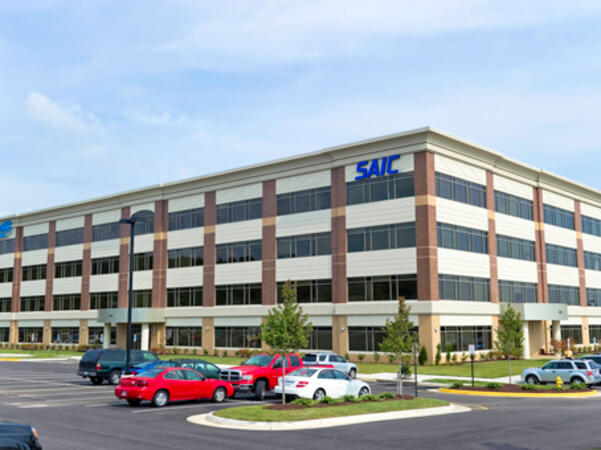
VA, Fredericksburg - Central Park Corporate Center
1320 Central Park Blvd., Suite 200, Fredericksburg, united states, 22401
The venue is located behind a complex of commercial buildings with the Bank of America just on the corner before the turn leading to the office.

VA, Richmond - Two Paragon Place
Two Paragon Place, 6802 Paragon Place Suite 410, Richmond, United States, 23230

The venue is located in bustling Richmond with Hampton Inn, Embassy Suites and Westin Hotel less than a mile away.
VA, Reston - Sunrise Valley
12020 Sunrise Valley Dr #100, Reston, United States, 20191

The venue is located just behind the NCRA and Reston Plaza Cafe building and just next door to the United Healthcare building.
VA, Reston - Reston Town Center I
11921 Freedom Dr #550, Reston, united states, 20190

The venue is located in the Reston Town Center, near Chico's and the Artinsights Gallery of Film and Contemporary Art.
VA, Richmond - Sun Trust Center Downtown
919 E Main St, Richmond , united states, 23219

The venue is located in the Sun Trust Center on the crossing of E Main Street and S to N 10th Street just opposite of 7 Eleven.
Richmond, VA – Regus at Two Paragon Place
6802 Paragon Place, Suite 410, Richmond, United States, 23230

The venue is located within the Two Paragon Place business campus off I‑295 and near Parham Road in North Richmond, offering convenient access by car with free on-site parking. Visitors arriving from Richmond International Airport (RIC), approximately 16 miles northwest, can expect a taxi or rideshare ride of around 20–25 minutes via I‑64 West and I‑295 North. Public transit is available via GRTC buses, with routes stopping along Parham Road and Quioccasin Road, just a short walk to the campus.
Virginia Beach, VA – Regus at Windwood Center
780 Lynnhaven Parkway, Suite 400, Virginia Beach, United States, 23452
The venue is situated within the Windwood Center along Lynnhaven Parkway, featuring modern concrete-and-glass architecture and ample on-site parking. Easily accessible by car via Interstate 264 and the Virginia Beach Expressway, the facility offers a hassle-free commute. From Norfolk International Airport (ORF), located about 12 miles northwest, a taxi or rideshare typically takes 20–25 minutes via VA‑168 South and Edenvale Road. For those using public transit, the HRT bus system includes stops at Lynnhaven Parkway and surrounding streets, providing convenient access by bus.
This instructor-led, live training (available online or onsite) is designed for government employees at beginner and intermediate levels who wish to gain a comprehensive understanding of the foundational principles of International Coach Federation (ICF) coaching. Participants will learn about core competencies and ethical guidelines while gaining practical experience in applying various coaching techniques.
By the end of this training, participants will be able to:
- Understand and apply the ICF Core Competencies in their coaching practice.
- Demonstrate effective active listening, questioning, and goal-setting techniques.
- Facilitate meaningful and transformative coaching conversations.
- Adhere to the ICF Code of Ethics in all professional coaching engagements for government.
- Develop a personalized coaching style that aligns with ICF principles.
This instructor-led, live training (available online or on-site) is designed for intermediate-level safety professionals and operational managers who seek to improve their skills in investigating incidents, identifying systemic vulnerabilities, and developing effective corrective and preventive measures. The training aligns with best practices for government and emphasizes the importance of thorough investigation techniques and robust action plans to enhance public sector workflows, governance, and accountability.
Leadership for Directors and Board Members is a course designed to enhance the leadership and governance capabilities of directors and board members in public sector organizations.
This instructor-led, live training (available online or onsite) is tailored for directors, executives, and board members who seek to develop effective leadership, governance, and decision-making skills at the board level for government entities.
By the end of this training, participants will be able to:
Understand the legal, ethical, and strategic responsibilities of directors and board members in public sector roles.
Apply principles of good governance to improve organizational performance within government agencies.
Foster effective communication and collaboration among board members and other stakeholders for government operations.
Respond to crises and manage risks at the executive level, ensuring continuity and resilience in government services.
Format of the Course
Interactive lectures and facilitated discussions.
Case studies and role-playing exercises relevant to public sector challenges.
Group activities and scenario-based analysis focused on government scenarios.
Course Customization Options
To request a customized training for this course tailored to specific government needs, please contact us to arrange.
Leadership is the practice of guiding individuals and teams to achieve organizational goals while fostering trust, collaboration, and resilience. Effective leaders balance decision-making, people management, and communication skills with personal well-being.
This instructor-led, live training (online or onsite) is designed for government leaders, managers, and professionals at beginner to intermediate levels who wish to strengthen their leadership competencies and apply them in organizational contexts.
By the end of this training, participants will be able to:
- Build leadership practices based on trust and autonomy.
- Understand people management fundamentals and the labor framework for government.
- Apply strategic decision-making in complex scenarios.
- Foster collaboration with a leadership perspective.
- Use assertive communication in difficult conversations.
- Practice self-management techniques and support leader well-being.
**Format of the Course**
- Interactive lecture and discussion.
- Case studies and group activities.
- Practical exercises and role-playing scenarios.
**Course Customization Options**
- To request a customized training for this course, please contact us to arrange.
This instructor-led, live training in [location] (online or onsite) is aimed at intermediate-level internal auditors who wish to enhance their audit effectiveness by applying structured Root Cause Analysis (RCA) techniques for government.
By the end of this training, participants will be able to:
- Understand RCA methodologies and their role in internal auditing for government.
- Identify and analyze the root causes of audit findings.
- Apply RCA tools such as the 5 Whys, Fishbone Diagram, and Failure Mode and Effects Analysis (FMEA).
- Develop corrective and preventive action plans based on RCA findings.
- Integrate RCA into the internal audit process to improve risk management for government.
The Business Impact Analysis (BIA) is a structured methodology designed to identify and assess the criticality of organizational processes in the event of disruptions.
This consulting engagement is tailored for operational and administrative leaders who seek to map, analyze, and document business processes to enhance continuity and resilience within their agencies.
By the end of this engagement, the organization will be able to:
- Identify critical processes across Finance, Supply Chain, and Quality areas.
- Assess operational, financial, legal, and reputational impacts of disruptions.
- Define recovery priorities (RTO and RPO) for critical processes.
- Develop a process criticality matrix and recommendations for continuity planning.
**Format of the Engagement**
- Kick-off and scoping sessions.
- Workshops with process owners.
- Real case analysis and data collection.
- Group sessions to construct causal and impact diagrams.
- Drafting and presentation of the BIA report.
**Evaluation**
- Active participation in workshops and data collection (20%).
- Contribution to impact analysis and scenario discussions (40%).
- Validation and feedback on the draft BIA report (40%).
**Engagement Customization Options for Government**
To request adjustments to the scope of this engagement, please contact us to arrange.
This instructor-led, live training in [location] (online or onsite) is designed for intermediate to advanced-level board members and directors who seek to enhance their leadership, governance, and decision-making skills for government.
By the end of this training, participants will be able to:
- Understand the key responsibilities and legal duties of a director.
- Develop effective governance structures and boardroom dynamics for government.
- Enhance strategic decision-making and risk management capabilities.
- Improve communication, leadership, and ethical decision-making at the board level.
This instructor-led, live training in [location] (online or onsite) is aimed at organization leaders who wish to learn how to drive change within their organizations by implementing effective change leadership strategies for government.
By the end of this training, participants will be able to:
- Understand the impact of change leadership on individuals, teams, and organizations.
- Apply planning practices to organizational change initiatives.
- Effectively lead organizational change through strategic change management.
This instructor-led, live training (online or onsite) is designed for intermediate-level professionals in the public sector who wish to develop a systematic approach to identifying, analyzing, and resolving problems using Root Cause Analysis (RCA) methodologies.
By the end of this training, participants will be able to:
- Understand essential concepts of RCA and continuous improvement cycles.
- Apply various RCA tools to identify the root cause of issues.
- Develop and implement effective problem-solving strategies.
- Integrate RCA into organizational improvement and prevention efforts for government.
The Advanced Product Quality Planning (APQP) course is designed to equip participants with a thorough understanding of the APQP process and its application in product development and launch. This course will cover essential concepts, tools, and techniques used in APQP, enabling participants to effectively plan and manage quality throughout the product development lifecycle. Through practical examples, case studies, and interactive exercises, participants will gain the skills and knowledge necessary to successfully implement APQP in their organizations, ensuring the delivery of high-quality products to customers. This training is particularly relevant for government agencies seeking to enhance their product development processes and ensure alignment with public sector workflows, governance, and accountability.
The Six Sigma methodology is a strategic approach designed to drive significant financial outcomes and enhance customer satisfaction. When applied to carefully selected business projects, this methodology can substantially reduce—and often eliminate—defects, process inefficiencies, and out-of-control operations, leading to remarkable improvements in organizational performance.
Our training course equips participants with the skills necessary to implement Lean Six Sigma principles, practices, and techniques for government. Through the Define, Measure, Analyze, Improve, and Control (DMAIC) methodology, participants will explore real-world case studies from diverse industries. They will learn how to identify and execute improvement projects that meet customer needs and minimize variation. Green belts typically lead process stakeholders and take on specific process-level improvement projects, which may not require the advanced statistical expertise of a black belt. This 5-day course is intense and challenging, but the knowledge gained will be immensely rewarding.
This course is designed to enhance organizational resilience against various threats, ensuring that entities can respond effectively to incidents, maintain the continuity of business operations, and protect their interests. The curriculum is tailored to align with best practices for government and industry, providing attendees with the tools necessary to fortify their organizations against potential challenges.
This certificate is designed for individuals involved in information security and information assurance. It is also relevant to those who require a comprehensive understanding of Business Continuity Management, particularly for government and other public sector roles.
What Will I Learn:
Candidates will be able to demonstrate:
The function and importance of business continuity management within an organization
The stages of the business continuity management life cycle
The key components of a business continuity management program
The significance of risk assessment in business continuity management
The various options for developing a business continuity management strategy
How to prepare and develop response plans for business continuity management
The necessity of testing, maintaining, and reviewing these plans
The importance of fostering business continuity management awareness within the organization
Global turmoil, business disruptions, and pandemics have not only upended established business norms but also compelled boards to fundamentally transform their governance approaches. To remain effective, directors must be well-informed about the current best practices and tools used by boards worldwide. These practices encompass efficient meeting management, information sharing, agenda setting, committee structures, and organizational frameworks. By adopting these strategies, boards can enhance their performance with reduced effort, thereby allowing more time for high-value boardwork, particularly in the context of governance for government entities.
This instructor-led, live training (online or onsite) is designed for current Chief Technology Officers (CTOs) and aspiring CTOs, including technical directors and technical managers, who seek to gain the technical and managerial insights necessary to excel as a CTO for government.
By the end of this training, participants will be able to:
- Recruit and lead a dynamic and innovative technical team.
- Efficiently adopt and manage the technology required to develop high-quality products.
- Implement effective techniques and strategies for product and project management.
- Scale the organization's operations and guide it towards its strategic goals.
By the end of this training, participants will be able to:
- Gain a deeper understanding of various approaches to contemporary learning delivery.
- Connect current methods with innovative and modern techniques in learning delivery.
- Design an adaptive and proactive curriculum that leverages digitization and its benefits.
- Guide the organization in implementing digital transformation for enhanced learning.
Format of the Course
- Instructor-led training delivered online
- Interactive planning sessions with tangible outputs
- Digital icebreakers to foster engagement
- Comprehensive course work designed for government applications
In this course, participants will acquire the skills necessary to assess various options, develop potential solutions, and determine logical strategies for government.
This comprehensive course is designed to provide participants with in-depth knowledge and expertise in implementing and maintaining a Quality Management System (QMS) compliant with the IATF 16949 standard. Participants will gain a thorough understanding of the requirements, processes, and best practices related to automotive quality management. Through practical examples and case studies, attendees will learn how to effectively apply the principles of IATF 16949 to ensure the highest level of quality in automotive manufacturing and supply chain operations for government and industry applications.
This training course is designed for government professionals and others to understand the fundamental concepts and principles of a business continuity management system (BCMS) based on ISO 22301. By participating in this training, attendees will gain insights into the structure and requirements of the standard, including the BCMS policy, top management's commitment, internal audit, management review, and the continual improvement process.
Following the completion of the training course, participants are eligible to sit for an exam. Successful candidates can apply for the “PECB Certificate Holder in ISO 22301 Foundation” credential. This certification demonstrates a comprehensive understanding of the fundamental concepts, principles, methodologies, requirements, framework, and management approach used in business continuity.
Who Should Attend?
Individuals involved in business continuity for government
Professionals seeking to gain knowledge about the main processes of business continuity management systems (BCMS)
Those interested in pursuing a career in business continuity
Learning Objectives
Acknowledge the correlation between ISO 22301 and other standards and regulatory frameworks for government
Understand the components and operation of a BCMS based on ISO 22301 and its principal processes
Grasp the concepts, approaches, methods, and techniques used for the implementation and management of a BCMS
Educational Approach
Lecture sessions will include discussion questions and real-world examples.
The exercises will feature multiple-choice quizzes to reinforce learning.
Participants are encouraged to engage in interactive discussions and complete the quizzes collaboratively.
The quizzes are designed to mirror the format of the certificate exam, preparing participants for success.
The ISO 22301 Introduction training course is designed to help participants understand the fundamental concepts of a Business Continuity Management System (BCMS). By attending this course, attendees will gain insight into the significance of BCMS and the benefits it can provide to businesses, society, and governments.
Who Should Attend?
Individuals interested in Business Continuity Management
Those seeking to acquire knowledge about the core processes of a Business Continuity Management System (BCMS)
Learning Objectives
Comprehend the concepts, approaches, methods, and techniques necessary for implementing a Business Continuity Management System
Understand the essential components of a Business Continuity Management System
This course is particularly relevant for government professionals looking to enhance their understanding of BCMS principles and practices for government operations.
Upon completing the training course, you will be eligible to take the examination. If you successfully pass the exam, you can apply for the “Certified ISO 22301 Lead Implementer” credential. This internationally recognized certificate demonstrates your professional capabilities and practical knowledge in implementing a Business Continuity Management System (BCMS) based on the requirements of ISO 22301 within an organization.
Who Should Attend?
Project managers and consultants involved in business continuity management
Expert advisors seeking to master the implementation of a BCMS
Individuals responsible for maintaining compliance with BCMS requirements within an organization
Members of the BCMS team
Learning Objectives
Gain a comprehensive understanding of the concepts, approaches, methods, and techniques used for implementing and effectively managing a BCMS
Learn how to interpret and implement the requirements of ISO 22301 in the specific context of an organization
Understand the operation of the business continuity management system and its processes based on ISO 22301
Acquire the necessary knowledge to support an organization in effectively planning, implementing, managing, monitoring, and continually improving a BCMS
Educational Approach
This training course is grounded in theory, implementation best practices, and ISO 22301 requirements essential for the implementation of a BCMS.
Lecture sessions are complemented with practical exercises based on a case study that includes role-playing and discussions.
Participants are encouraged to communicate and engage in discussions and exercises.
The exercises closely mirror the certification exam format.
General Information
Certification fees are included in the exam price. After completing the course, you will be able to schedule your exam.
Participants will receive training materials containing over 450 pages of explanatory information and practical examples.
An Attendance Record worth 31 CPD (Continuing Professional Development) credits will be issued to participants who have attended the training course.
If candidates do not pass the exam, they can retake it within 12 months following the initial exam at no additional cost.
This course is designed for government professionals and aligns with public sector workflows, governance, and accountability standards.
ISO 26262 outlines the requirements for functional safety in the automotive industry.
This instructor-led, live training (available online or on-site) is designed for automotive professionals who aim to implement the ISO 26262 standard within their organization.
By the end of this training, participants will be able to:
Understand functional safety as it pertains to automotive hardware and software development.
Comprehend the legal responsibilities and compliance requirements of ISO 26262.
Implement the safety processes specified in ISO 26262.
Course Format
Interactive lecture and discussion.
Extensive exercises and practice sessions.
Hands-on implementation in a live-lab environment.
Course Customization Options for Government
To request a customized training tailored to the needs of your organization, please contact us to arrange.
ISO 9001 Foundation training equips participants with the essential elements required to implement and manage a Quality Management System (QMS) as outlined in ISO 9001. This course provides an understanding of various QMS components, including policy, procedures, performance measurements, management commitment, internal audits, management reviews, and continual improvement.
Upon completing this training, participants are eligible to take the exam and apply for the “PECB Certified ISO 9001 Foundation” credential. A PECB Foundation Certificate demonstrates that you have grasped the fundamental methodologies, requirements, framework, and management approaches of QMS, which is particularly valuable for government agencies seeking to enhance their quality management practices.
### Who Should Attend?
- Individuals involved in Quality Management
- Professionals aiming to gain knowledge about the primary processes of Quality Management Systems (QMS)
- Those interested in pursuing a career in Quality Management
The “PECB Certified ISO 9001 Foundation” exam fully complies with the requirements of the PECB Examination and Certification Programme (ECP). The exam covers the following competency domains:
- Domain 1: Fundamental principles and concepts of a Quality Management System (QMS)
- Domain 2: Quality Management System (QMS)
Upon successfully passing the exam, you can apply for the “PECB Certified ISO 9001 Foundation” credential.
### General Information
- Certification fees are included in the exam price.
- Training materials, consisting of over 200 pages of information and practical examples, will be provided.
- A participation certificate with 14 CPD (Continuing Professional Development) credits will be issued.
- In the event of an exam failure, you have the option to retake the exam within 12 months at no additional cost.
The ISO 9001 Lead Auditor training equips participants with the essential expertise to conduct Quality Management System (QMS) audits by applying widely recognized audit principles, procedures, and techniques. This course will provide you with the knowledge and skills necessary to plan and execute internal and external audits in compliance with ISO 19011 and the certification process according to ISO/IEC 17021-1.
Through practical exercises, you will gain mastery of audit techniques and become competent in managing an audit program, leading an audit team, communicating effectively with customers, and resolving conflicts.
Upon completing this training and acquiring the necessary expertise to perform these audits, you can take the exam and apply for a “PECB Certified ISO 9001 Lead Auditor” credential. Holding a PECB Lead Auditor Certificate will demonstrate your capabilities and competencies to audit organizations based on best practices, which is particularly valuable for government agencies striving for quality and efficiency in their operations.
### Who Should Attend?
- Auditors seeking to perform and lead Quality Management System (QMS) certification audits
- Managers or consultants aiming to master the QMS audit process
- Individuals responsible for maintaining compliance with QMS requirements
- Technical experts preparing for a QMS audit
- Expert advisors in Quality Management
### General Information
- Certification fees are included in the exam price.
- Training materials containing over 450 pages of information and practical examples will be provided.
- A participation certificate of 31 CPD (Continuing Professional Development) credits will be issued.
- In the event of exam failure, you can retake the exam within 12 months at no additional cost.
The ISO 9001 Lead Implementer training equips participants with the essential expertise to assist organizations in establishing, implementing, managing, and maintaining a Quality Management System (QMS) based on ISO 9001. Throughout this training course, attendees will gain a comprehensive understanding of best practices for QMS, which can enhance an organization’s customer satisfaction and overall performance and effectiveness.
Upon mastering the necessary concepts of Quality Management Systems, participants are eligible to sit for the exam and apply for the “PECB Certified ISO 9001 Lead Implementer” credential. Holding a PECB Lead Implementer Certificate demonstrates practical knowledge and professional capabilities to implement ISO 9001 in an organization, ensuring alignment with public sector workflows, governance, and accountability.
Who Should Attend?
Managers or consultants involved in Quality Management
Expert advisors seeking to master the implementation of a Quality Management System
Individuals responsible for maintaining conformance with QMS requirements
Members of QMS teams
General Information
Certification fees are included in the exam price.
Training materials, including over 450 pages of information and practical examples, will be provided.
A participation certificate with 31 CPD (Continuing Professional Development) credits will be issued.
In the event of exam failure, participants can retake the exam within 12 months at no additional cost.
**TARGET AUDIENCE:**
- Any individual within the organization who seeks to enhance their competencies in leadership and management psychology.
- Managers aiming to improve their skills in leadership and management.
- Entrepreneurs.
**EDUCATIONAL PURPOSE OF THE TRAINING:**
This training, delivered through practical workshops, is designed to improve skills in the areas of management and leadership. Participants will be equipped to effectively manage human capital. The training will cover:
- Management and leadership techniques for inspiring action
- Motivation strategies to build commitment, increase determination, and boost morale
- Methods for evaluating and developing employees
- Delegation of tasks and authority
- Organizing and planning work, including goal setting
- Techniques for enforcement and feedback
**OBJECTIVES OF ATTENDING THE TRAINING:**
Participants will learn modern models and tools in the field of leadership and management. They will enhance key interpersonal skills necessary for leading people and teams in various situational contexts.
**BENEFITS OF ATTENDING THE TRAINING:**
By practicing the learned models, tools, and techniques, participants will significantly improve their ability to lead and manage teams effectively. This training will provide practical experience that enhances critical leadership skills.
**THE TRAINING WILL STRENGTHEN YOUR KNOWLEDGE:**
In the areas of leadership and management psychology for government.
**THE TRAINING WILL STRENGTHEN SKILLS IN THE AREA OF:**
- Selecting appropriate models, tools, and techniques based on situational context
- Leading people and managing teams effectively
- Increasing influence to change team actions and behaviors
- Building high commitment and morale within teams
- Using rational and emotional arguments to enhance influence on decision-making processes
- Diagnosing the needs of others
- Neutralizing resistance to change
- Managing emotions and stress
**THE TRAINING WILL STRENGTHEN COMPETENCIES:**
- Exerting influence in the process of management and leadership
- Reading situational contexts and selecting the right models, tools, and techniques for situational leadership
- Managing oneself and teams in volatile and unpredictable environments
This course is designed for managers and team leaders who require a comprehensive understanding of the challenges and opportunities associated with managing and developing their staff, both direct and indirect reports.
Format of the Course
The course will be an interactive blend of:
Facilitated Discussions
Slide Presentations
Exercises and Case Studies
Learning Outcomes
By the end of the course, participants will be able to:
Distinguish between the skills required for managing and leading within a government context.
Develop their teams effectively to meet organizational goals for government.
Articulate strategies for implementing change in their respective departments.
Enhance staff performance management techniques.
Negotiate preferred solutions successfully in a governmental setting.
Address and resolve challenging situations they may encounter in the office environment.
This mentoring training course is designed to address the needs of individuals engaged in mentoring relationships within the public sector. It provides comprehensive guidelines that are beneficial for government employees seeking to enhance their mentoring skills, ensuring alignment with public sector workflows, governance, and accountability.
This program for the development of managers in organizations is a structured initiative consisting of five sessions, each lasting eight hours. The primary goal is to cultivate essential management skills tailored to meet the specific needs of employees and the organization.
The training emphasizes practical application through experiential learning methods. Participants are encouraged to share their experiences, which helps in normalizing expectations about the role of a manager and provides actionable solutions for their colleagues. This approach ensures that the program aligns with public sector workflows, governance, and accountability standards for government.
This instructor-led, live training (available online or onsite) is designed for government managers and executives who wish to implement the right tools, skills, and methodologies to manage remote teams effectively.
By the end of this training, participants will be able to:
- Examine remote leadership practices, organizational structures, and key components necessary to successfully adapt to a remote work environment.
- Build trust, establish clear goals, foster a positive culture, and enhance teamwork to create an effective and productive remote team for government operations.
- Utilize existing tools and technologies to improve virtual communication and collaboration within their teams.
- Implement goal-setting and project management techniques to measure the performance and ensure accountability of remote teams.
In organizational management, ownership and accountability are fundamental principles that drive success. Ownership entails assuming responsibility and demonstrating initiative in task execution, while accountability involves being answerable for the outcomes. These concepts are essential as they foster a culture of responsibility and reliability, enhancing performance, facilitating effective problem-solving, and ensuring alignment with organizational goals, particularly for government agencies.
Procurement professionals for government frequently manage a diverse array of tasks, including the development of sourcing strategies, negotiation of contracts, and oversight of supplier relationships. The competencies required to excel in these roles are equally broad. These professionals must possess strong communication and project management skills, demonstrate sound commercial and financial acumen, and be adept at influencing and negotiating effectively.
Environmental Impact Reports (EIRs) are critical tools for evaluating, mitigating, and communicating the environmental impacts of projects. This course offers a practical understanding of how to prepare and structure EIRs in compliance with federal (SEMARNAT) and state (Aguascalientes) environmental regulations in Mexico.
This instructor-led, live training (available online or on-site) is designed for intermediate-level professionals who seek to develop or refine their skills in producing high-quality Environmental Impact Reports that align with current national and local environmental standards.
Upon completion of this training, participants will be able to:
- Understand the legal and regulatory framework governing Environmental Impact Reports in Mexico.
- Structure and develop EIRs that meet SEMARNAT and Aguascalientes state requirements.
- Identify and assess environmental impacts throughout the project lifecycle.
- Apply best practices for impact mitigation, documentation, and presentation.
- Ensure reports effectively communicate findings to regulators and stakeholders.
**Format of the Course:**
- Interactive lecture and discussion.
- Document review and analysis of case studies.
- Hands-on exercises for report structure and drafting.
**Course Customization Options:**
- This course can be tailored to focus on specific sectors or state regulations as required by the organization, ensuring it meets the unique needs of participants for government and other public sector entities.
In this instructor-led, live training session, participants will gain an understanding of Quality Management System (QMS) Audit principles, procedures, and documentation through a series of case studies, group discussions, and hands-on exercises.
By the end of this training, participants will be able to:
- Identify the requirements for a successful QMS Audit.
- Develop an audit checklist for a sample audit scenario.
- Report findings in accordance with ISO 9001 requirements.
- Write and grade non-conformity reports and evaluate proposals for corrective action.
- Prepare and present a compelling evaluation to top management, aligning with the organization's policy and objectives.
This training is designed to enhance the skills of auditors and quality professionals for government and private sector organizations, ensuring compliance and continuous improvement in QMS processes.
The "Managing a Distributed Team" training is aimed at individuals at various organizational levels working remotely, especially those working from home. The course aims to equip participants with the skills to build an effective distributed team, define roles, delegate tasks effectively, analyze team dynamics, and harmoniously utilize the potential of the team. In a workshop format, strategies for managing a distributed team are discussed, including focused project management, utilization of IT tools, maintaining interpersonal relationships, motivational techniques, time management, and effective task delegation.
The SECO Institute Business Continuity Foundation certificate, aligned with ISO/IEC 22301, provides an overview of essential business continuity principles. This certification confirms that recipients have gained a comprehensive understanding of both the theoretical foundations and practical applications critical for ensuring continuity in organizational operations, particularly for government agencies.
This training course is essential for individuals seeking to become Business Continuity Specialists. By obtaining this certification, participants validate their understanding of the Business Continuity Process and demonstrate to their organization that they are capable of applying their knowledge effectively.
To earn this certification, attendees must complete the Business Continuity Practitioner training course offered by NobleProg. Following the course, candidates can schedule their exam through SECO. This process ensures a high standard of competence and readiness for government and organizational roles requiring business continuity expertise.
This 5-day course is designed to enhance strategic thinking, planning, and management skills for government executives, including the tactical and operational requirements for successful implementation in high-stakes environments. The program will address critical issues such as conflict management, change management, effective leadership, and team motivation. Through interactive case studies and sector-specific examples, participants will be encouraged to share experiences and challenges to develop practical, work-focused solutions that can be directly applied in their roles.
The core objective of this program is to equip executives with the skills necessary to analyze the business environment for government, identify profitable opportunities, and develop strategies for gaining a competitive edge. Additionally, the course will provide insights into best leadership practices and behaviors that enhance the capacity of executives to navigate the complexities and uncertainties inherent in managing high-performance organizations.
Learning Objectives
After completing this course, participants will be able to:
Describe the primary challenges faced by an organization;
Explain various approaches to organizational development planning;
Analyze the current business environment and its influences on the organization;
Assess internal and external resources of the organization;
Understand different approaches to managing strategy and its role in the business plan;
Evaluate alternative development strategies and recommend those best suited to the organization's needs;
Apply a deeper understanding of strategic development plans;
Objectively discuss the risks, benefits, and costs associated with implementing new strategies, including conflict management in teams;
Define methods for managing identified risks;
Analyze potential impacts on their organization (both positive and negative) from implementing new strategies;
Design policies, systems, and processes to successfully implement strategic plans;
Cover the key steps in change management.
Who Should Attend
Product/Service Managers
Newly appointed and established Managers and Team Leaders
Heads of Operations
Senior Bank Managers
Human Resource Managers
Operations Managers
Marketing Managers
Methodology
The course comprises facilitated workshops, supplemented by case studies drawn from both published real-life examples and practical experiences. Participants will have the opportunity to work in small groups to synthesize ideas and strategies and apply the material within the context of their own organizations or departments. Open forum discussions will also be a key component of the learning process.
The governance of any organization is only as strong as its board of directors, and that board's effectiveness hinges on the capabilities of its chairman. However, the role of board leadership is both the most critical for ensuring board efficacy and the one with the least training and support. Conflicts over power between board leaders and chief executives are not uncommon. This document outlines the best practices of the world’s leading board leaders, offering insights into the proven strategies used by experienced professionals in the boardroom. These practices are essential for government agencies seeking to enhance their governance and accountability frameworks.
Specialists Seeking to Transition into Broader Management or Senior Roles.
New or Aspiring Managers.
Established Managers Aiming to Further Develop Their Skills.
Overview:
This instructor-led, live on-site training is designed for government managers who wish to enhance their ability to coach and lead their colleagues towards excellence. The course equips new and developing managers with the confidence and skills necessary to implement well-established principles of management. It focuses on five key pillars of management performance: defining role purpose, leveraging strengths, facilitating change, influencing others, and empowering colleagues. While the course does not endorse a single managerial style, it is grounded in behavioral science and presents evidence-based principles in a practical and pragmatic manner. The training is highly interactive and engaging, requiring participants to actively participate from the outset.
By the end of this training, participants will be able to:
Understand how humans are motivated and learn.
Adapt their existing skill sets to maximize their potential.
Develop and implement an effective management technique.
Format of the Course:
Highly interactive lectures and discussions.
Extensive exercises and practice sessions.
Scenario-based presentations, briefings, and feedback sessions.
Citizens have always been the cornerstone of any public sector organization. However, the advent of the internet and social media has reshaped the operational landscape, diminishing traditional competitive advantages and placing Citizen Experience at the forefront of strategic success. In today’s environment, Citizen Experience is the final sustainable frontier for differentiation.
To excel in this dynamic setting, organizations must harness the appropriate skills, tools, and techniques to ensure that the citizen experience remains central to their value proposition. The ultimate strategic goal is to understand what citizens perceive as quality and consistently deliver it in a cost-effective and reliable manner, particularly for government services.
This instructor-led, live training (online or onsite) is designed for government supply managers and personnel who wish to adopt a quality-centric approach to managing suppliers.
By the end of this training, participants will be able to:
- Implement a proactive and collaborative strategy for enhancing supplier quality.
- Clearly articulate and communicate supply specifications and requirements.
- Examine various Supplier Quality Management Systems (QMS) and apply an analytical approach to select the most appropriate one for government needs.
- Utilize a QMS to continuously monitor, inspect, and audit supply chains.
- Ensure that suppliers provide the highest quality products and services for government operations.
This course has been designed for government decision makers whose primary objective is not to perform calculations and analyses but to understand these processes thoroughly. Participants will learn to select appropriate statistical methods that are relevant to the strategic planning of their organizations.
For instance, a prospective participant may need to decide how many samples should be collected before determining whether to launch a product or policy initiative.
If you require a more comprehensive course that covers the foundational aspects of statistical thinking, please consider our 5-day "Statistics for Government Managers" training.
In this instructor-led, live training for government managers in Virginia, we guide new leaders through the essential concepts of strategic thinking. The course combines theoretical instruction with practical, task-based activities drawn from real-world scenarios. Participants will gain valuable insights into innovative approaches to problem-solving, apply key strategic principles to their own work challenges, and engage in meaningful discussions with both the instructor and their peers. This training aims to enhance the strategic capabilities of government leaders by fostering a deeper understanding of how these concepts can be effectively implemented within public sector workflows, governance, and accountability frameworks.
This training course has been developed for government officials, business owners, directors, managers, executives, and analysts who need to enhance their strategic planning skills. It is designed specifically for practical application rather than academic study, enabling participants to realize their objectives promptly.
The course emphasizes strategic planning that prioritizes flexibility and continuous learning. Key areas of focus include corporate and investment strategy, illustrated through current real-world examples. Each participant will have the opportunity to develop a strategic plan and learn how to implement it effectively in their respective organizations for government and private sector contexts.
This training course is designed for all individuals working in or with high-performance IT delivery teams, such as DevOps and Scrum, who are responsible for or deeply involved in quality engineering. This includes QA professionals, testers, operations personnel, business analysts, product owners, developers, quality engineers, users, scrum masters, agile coaches, release train engineers, and other relevant roles.
In today’s IT landscape, cross-functional teams are expected to deliver business value with the right quality at speed. TMAP® supports this new approach to built-in quality, which extends beyond mere testing. Conducting QA and testing activities within an organization requires a broad range of knowledge and skills. This training course equips professionals to perform these essential operational tasks effectively.
The cost of the TMAP® High-performance quality engineering exam voucher is included in the course. The exam is administered in collaboration with iSQI, and the voucher allows you to schedule the exam at a time and location that suits your needs.
The internationally recognized TMAP® High-performance quality engineering certification validates the knowledge and skills necessary for any individual responsible for or heavily involved in quality engineering, ensuring alignment with best practices for government and other sectors.
This training course is designed for all individuals involved in organizing high-performance IT delivery, such as DevOps and Scrum methodologies. This includes roles such as scrum masters, agile coaches, release train engineers, test managers, test leads, QA professionals, testers, business analysts, product owners, developers, quality engineers, users, and operations personnel.
In the modern IT landscape, cross-functional teams are expected to deliver business value with high quality and speed. TMAP® supports this new approach to built-in quality, which extends beyond traditional testing methods. Organizing QA and testing involves orchestrating, arranging, planning, preparing, and controlling various activities. This training course equips professionals responsible for organizing QA and testing with the necessary knowledge and skills to enable teams to achieve quality ownership.
The cost of the TMAP® Organizing built-in quality at scale exam voucher is included in this course. The exam is administered in collaboration with iSQI, and participants can schedule it at a time and location of their choice.
Upon completing the TMAP: Organizing built-in quality at scale course:
- You will earn an independent, internationally recognized certification that demonstrates your expertise in QA and testing.
- You will gain insights into IT delivery models, particularly DevOps, and understand the whole-team approach and its relevance for development and operations personnel.
- You will have the opportunity to pursue additional certifications, further enhancing your qualifications.
This training is tailored to support professionals in their roles within government and private sector organizations, ensuring they are well-prepared to meet the demands of modern IT delivery.
This training course is designed to equip members of high-performance IT delivery teams, including those in DevOps or Scrum roles, with the essential knowledge and skills necessary for ensuring quality in their IT systems. It also helps participants gain confidence that the intended business value can be realized.
On the final afternoon of the training, participants will take a 1-hour exam consisting of 30 questions titled “TMAP: Quality for cross-functional teams,” which is conducted in collaboration with iSQI.
The internationally recognized TMAP: Quality for cross-functional teams certification confirms that individuals in high-performance IT delivery teams, such as those working in DevOps or Scrum environments, possess the required knowledge and skills to build quality into their IT systems and ensure the achievement of business value. This certification is particularly valuable for government agencies looking to enhance their IT delivery processes and align with best practices.
The training 'Generational Differences in Management. Employees of Generations XYZ. How to Function with Them' is aimed at team leaders, offering knowledge and skills in communication and motivation of employees from generations X, Y, and Z. Based on an interactive methodology, the course emphasizes practical exercises and mini-lectures, enabling effective acquisition of the skills necessary for managing a team in a generationally diverse environment.
You may be seeking your first board seat, or you may have recently obtained a board role and are preparing for your initial board meeting. Additionally, an organization may wish to equip its emerging leaders and diverse talents with the necessary knowledge for effective boardroom participation. This one-day program is designed to provide all the essential information needed to ensure participants are well-informed and prepared from the moment they enter the boardroom. It aligns with best practices for government and supports the development of skilled, accountable leadership.
Read more...
Last Updated:
Testimonials (25)
trainer knowledge
SUNEEL jee - House of Spices India
Course - Six Sigma LEAN Yellow Belt
The level of engagement and passion.
Dai Forterre - Netherlands Business Support Office (NBSO) Indonesia
Course - High-Impact Communication Skills
the practical exercises
Constantin Gheorghe
Course - Change Management - Leading the change
workshops, open discussion
Renata Ostrowska - BFF Polska S.A.
Course - Planning and Risk Assessment
The positive energy of the trainer
Slaveyko Gradinarov - Dundee Precious
Course - Incoterms 2020
Case studies and practical training to work with gained knowledge
Marcin Sokolowski - Solvti
Course - Change Management
The focus on the objective, always asking for doubts and open to help .
VICTOR ALEJANDRO RUBIO PADILLA - GDL Circuits
Course - ISO 26262 Automotive Functional Safety
I enjoyed how practical it was, Irma was approachable and able to answer/research our questions, able to give us useful information and tips, helped me on my journey with AI.
Breandan - Health Quality and Safety Commission
Course - AI-Powered HR: Transforming the Future of People Management
Very open and good discussions
Martin - Novelis Deutschland GmbH
Course - Strategic Management
The trainer did not leave a single minute unexploited!
He was up a storm throughout every lesson and provided much material for whatever he dealt with.
Elpida - Unemployed
Course - Anti-Money Laundering (AML) and Combating Terrorist Financing (CTF)
Very interactive session
Ewelina - GE HealthCare
Course - How to Learn New Behaviours to Improve Your Results
The practice
Ignat
Course - Root Cause Analysis
Improving oneself and company
Hardy - Tsubaki of Canada Limited
Course - KAIZEN
As it was a 1:1, the personalization of the content.
Patricia - Embraer
Course - Influencing and Avoiding Conflict
The fact that all the standard was reviewed and discussed with some examples, when needed and required.
Ioana
Course - ISO/IEC 27005 Information Security Risk Management
Excellent trainer, with the speech completely tailorerd to the audience. A lot of content.
Carole - Axway
Course - Communicating and Influencing For Team Members
Open atmosphere without judgment
Agnieszka - AXA XL
Course - Business Communication Skills
The videos with specific messages.
Laurentiu
Course - Lean Six Sigma
The training was well put together & very informative.
Siobhan Kavanagh - SEEC MM Ltd.,
Course - ISO 9001 Lead Implementer
The quizzes to reinforce the reading and the ability to ask questions at any time
Jonathan
Course - ISO 9001 Lead Auditor
The interactive sessions, debates and getting to use actual examples for the session
JACOLIEN VOGES - Pernod Ricard
Course - Kanban Management Professional 1
good balance between theories and practices
Akos Hegyi - BioLife Plazma Hungary Kft. / Sanaplasma Kft.
Course - Conflict Resolution, Assertiveness and Self Confidence
Dereck's overall preparedness . Dereck has great communications' skills !!
Dana Foster - Corrigan Oil Company
Course - ISO 9001 Foundation
The knowledge and understanding of the trainer on the training material was exceptional. The trainer was well aware of the subject, provided practical examples in relevance. I would highly recommend him as a trainer for this training.
Online Management training in Virginia, Management training courses in Virginia, Weekend Management courses in Virginia, Evening Management training in Virginia, Management instructor-led in Virginia, Management private courses in Virginia, Management one on one training in Virginia, Management instructor-led in Virginia, Management instructor in Virginia, Weekend Management training in Virginia, Management classes in Virginia, Online Management training in Virginia, Management boot camp in Virginia, Evening Management courses in Virginia, Management trainer in Virginia, Management coaching in Virginia, Management on-site in Virginia